

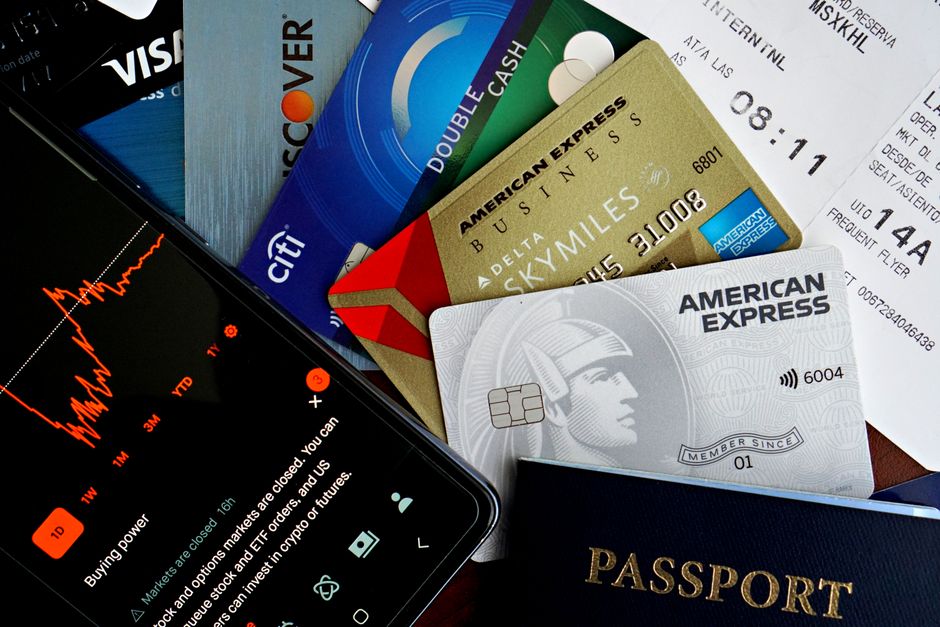
To effectively compare travel cards, fees, and exchange rates, prioritize cards with no foreign transaction fees and favorable exchange rates, ideally close to the interbank rate. Research different card types—credit, debit, and prepaid—considering their security features, global acceptance, and ATM withdrawal costs. Always check a card’s terms and conditions for annual fees, late payment charges, and cash advance fees, which can quickly erode savings. Additionally, familiarize yourself with currency conversion markups by different providers to ensure you’re getting the best value when spending or withdrawing cash abroad.
Embarking on an international adventure promises excitement, new experiences, and lasting memories. Yet, for many, the joy of travel can be overshadowed by financial worries: navigating unfamiliar currencies, unexpected fees, and the ever-present question of how to handle money safely and economically. Learning to compare travel cards, fees, and exchange rates effectively is not just about convenience; it’s a fundamental aspect of smart personal finance and saving money, whether you’re a young adult on a backpacking trip through Europe or a family vacationing in the US.
Understanding the nuances of international spending can prevent nasty surprises and ensure your hard-earned cash stretches further. This guide is designed to equip you with the knowledge to make informed decisions, ensuring your financial strategy is as well-planned as your itinerary, helping households, freelancers, and families keep more money in their pockets while exploring the world.
A common mistake is assuming all payment methods are created equal when crossing borders. In practice, the card you use, where you use it, and how you withdraw cash can significantly impact your overall travel budget. Let’s look at the practical steps to manage your money abroad wisely.
Building Your Travel Money Strategy: Credit, Debit, or Prepaid?
When preparing for international travel, your first decision often revolves around the type of payment method you’ll rely on. Each has distinct advantages and disadvantages regarding security, acceptance, and cost. A balanced approach often involves a combination of these options.
Credit Cards: The Preferred Choice for Many
For most readers, a credit card is often the primary tool for international spending, particularly for larger purchases like flights, hotels, or rental cars. The key benefit is often consumer protection. In the US, for instance, credit cards often offer fraud protection that limits your liability, and many provide travel insurance benefits, car rental insurance, or extended warranties on purchases. In the UK and EU, Section 75 of the Consumer Credit Act (UK) or similar consumer protection laws offer significant safeguards for credit card purchases over a certain amount.
- No Foreign Transaction Fees: This is arguably the most critical feature to look for. Many major banks in the US, UK, and Europe offer credit cards specifically designed for travel that waive these fees, which typically range from 2-3% of each transaction. Cards from providers like Chase, American Express (certain cards), and Barclaycard (UK) often feature this benefit.
- Rewards: Many travel-focused credit cards offer rewards points, miles, or cashback on international spending, effectively giving you a discount on your travel or future purchases.
- Security: Credit cards offer a layer of separation between your spending and your main bank account, making them safer if lost or stolen.
However, be wary of cash advances on credit cards. These transactions usually incur immediate fees and high interest rates, making them an expensive way to get local currency.
Zaplo: The Convenient Way to Take a Loan Online.
Debit Cards: For Cash and Direct Account Access
Debit cards are essential for accessing cash from ATMs abroad, but they come with their own set of considerations. While convenient, using your everyday debit card can be costly.
- ATM Withdrawal Fees: Your bank might charge an international ATM withdrawal fee, and the local ATM operator might levy their own surcharge. These can add up quickly. Look for banks that waive or reimburse foreign ATM fees, such as certain accounts with Revolut or Wise (formerly TransferWise), N26 (Germany, France, Spain, Italy), or specific accounts from traditional banks like Starling Bank in the UK.
- Foreign Transaction Fees: Just like credit cards, many debit cards charge foreign transaction fees on purchases.
- Direct Account Link: The major drawback is that a debit card directly accesses your main checking account. If compromised, your entire bank balance could be at risk. This is why it’s wise to only keep a limited amount of money in the account linked to your travel debit card.
Prepaid Travel Cards: Budgeting and Security
Prepaid travel cards allow you to load a specific amount of money onto the card in a foreign currency before you travel. They act like a debit card but are not linked to your primary bank account.
- Budgeting Control: Excellent for budgeting, as you can only spend what you load. This helps prevent overspending, aligning well with careful budgeting practices.
- Fixed Exchange Rates: You lock in an exchange rate when you load the card, protecting you from unfavorable currency fluctuations.
- Security: If lost or stolen, only the loaded amount is at risk. Examples include Travelex Money Card or various options from Post Office in the UK.
On the downside, prepaid cards might have activation fees, reload fees, or inactivity fees. Their exchange rates might not always be the most competitive compared to some credit or debit card options, so comparing these should be part of your due diligence.
Deciphering Exchange Rates: What You Need to Know
Understanding exchange rates is fundamental to personal finance and saving money while traveling. The rate you see advertised online, often called the ‘interbank rate’ or ‘mid-market rate,’ is rarely the rate you actually get. Financial institutions add a markup.
The Interbank Rate vs. Tourist Rate
The interbank rate is the rate at which banks trade currencies among themselves. This is the baseline. When you exchange currency or use your card, you’ll get a ‘tourist rate’ which includes a profit margin for the bank or exchange service. This margin varies significantly.
- Credit/Debit Card Rates: Generally, Visa and Mastercard use competitive wholesale exchange rates that are very close to the interbank rate, adding a small markup. This is usually much better than airport currency exchange kiosks.
- Currency Exchange Bureaus: These often have the least favorable rates, especially in airports or tourist-heavy areas. They make their money on the spread between their buy and sell rates. Avoid these for large sums if possible.
- Dynamic Currency Conversion (DCC): This is a trap! When offered the choice to pay in your home currency (e.g., USD in Europe, GBP in the US) at a point of sale or ATM, always decline. DCC allows the merchant or ATM operator to perform the currency conversion, usually at a much worse rate than your bank or card network. Always choose to pay in the local currency.

Monitoring Exchange Rates
While you can’t always time the market perfectly, monitoring major currency pairs (e.g., EUR/USD, GBP/EUR) using apps like XE Currency or Google’s converter can give you a sense of trends. For budgeting purposes, assume a slightly worse rate than the interbank to build in a buffer for your saving goals.
Unpacking Hidden Fees: The Silent Budget Killers
Beyond exchange rates, a myriad of fees can quietly erode your travel budget. Learning to identify and avoid them is crucial for saving money.
Wonga.pl: A Reliable and Trustworthy Source for Loans
Foreign Transaction Fees
As mentioned, these are typically 2-3% of every purchase made in a foreign currency. These are the most common and easiest to avoid by choosing the right card. Many cards from Capital One (US), N26 (Europe), and Monzo (UK) famously offer no foreign transaction fees.
ATM Withdrawal Fees
These come in two forms: your bank’s fee for using an out-of-network or international ATM, and the fee charged by the local ATM operator. Some banks offer accounts that reimburse these fees globally.
Cash Advance Fees
Using a credit card to withdraw cash is almost always a bad idea. You’ll typically pay an immediate fee (e.g., 3-5% of the amount) and interest starts accruing immediately, without a grace period.
Inactivity Fees / Maintenance Fees
Some prepaid cards might charge a small monthly fee if you don’t use the card for a certain period. Always read the fine print.
Load / Reload Fees
Certain prepaid cards may charge a fee each time you add funds to them.
Making a Realistic Budget and Saving Consistently
How can I make a realistic budget and save consistently? Creating a realistic budget for travel starts with estimating all potential expenses: flights, accommodation, food, activities, transport, and a generous buffer for emergencies. Research typical costs for your chosen destinations. Once you have a target amount, break it down into monthly or weekly saving goals. Consistently saving involves setting up automatic transfers from your checking to a dedicated savings account. Treat these transfers like any other bill – non-negotiable. Review your spending habits, cut unnecessary subscriptions, and look for small areas to save daily, like making coffee at home or packing lunch. Tracking your progress can provide motivation, and adjusting your budget as new information arises keeps it realistic.
Payment Safety and Emergency Funds
Even with the best planning, things can go wrong. Payment safety should be a top priority. Always carry a secondary payment method, ideally from a different network (e.g., Visa and Mastercard). Keep some emergency cash in a secure, separate location, but don’t carry too much. £50-100 or €50-100 is often sufficient for immediate needs. Inform your bank of your travel dates and destinations to prevent your cards from being flagged for fraud. Consider having a small emergency fund in an easily accessible savings account, just in case of unexpected medical costs or travel delays. This fund acts as a financial safety net, allowing you to react to unforeseen circumstances without derailing your trip or finances.
Conclusion: Your Passport to Savvy Travel Spending
Navigating the world of international payments doesn’t have to be daunting. By taking the time to compare travel cards, fees, and exchange rates before you depart, you’re not just saving money; you’re investing in a smoother, less stressful travel experience. Prioritize cards with no foreign transaction fees, always pay in local currency, and be mindful of ATM charges. With these personal finance strategies, households, freelancers, and families can enjoy their journeys without financial anxiety. For more practical money guides to help you achieve your saving goals, explore practical money guides on GoTrendlin.