

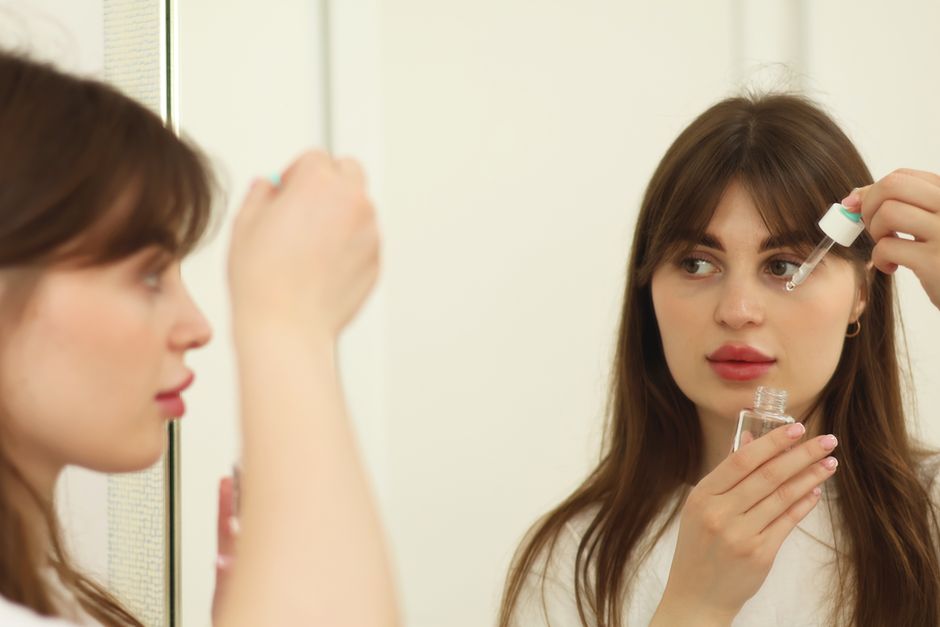
When we reach a certain age, often after a few decades of sunscreen-free summers or simply facing the realities of life’s demands, many of us start noticing changes in our skin. Fine lines seem to appear almost overnight, skin tone can look less even, and that youthful glow feels a little harder to come by. This is often the point where curiosity about more potent skincare ingredients, particularly retinol, truly begins to blossom. But for many busy adults, the sheer volume of information can be overwhelming, leading to hesitation or even missteps.
The goal isn’t to chase unrealistic perfection, but to achieve healthier, more resilient skin that reflects a well-cared-for self. The key to unlocking retinol’s benefits lies in understanding its mechanisms and, crucially, integrating it into your existing routine thoughtfully and patiently. This isn’t about an overnight transformation, but a consistent, evidence-aware journey towards better skin health. Think of it less as a sprint and more as a marathon where consistency and protection are your best allies.
This practical retinol beginner guide for adults aims to demystify this powerful ingredient, providing a clear roadmap to incorporate it into your beauty essentials without unnecessary fuss or irritation, whether you’re in Berlin, Birmingham, Boston, or Bordeaux.
Understanding Retinol: Your Skin’s New Ally
Retinol is a derivative of Vitamin A and a type of retinoid. It works by encouraging faster skin cell turnover, meaning it prompts your skin to shed old, dead cells and bring fresh ones to the surface more quickly. This process helps to reduce the appearance of fine lines and wrinkles, improve skin texture, minimize hyperpigmentation, and even manage breakouts. Over time, it can also stimulate collagen production, leading to firmer, more elastic skin. It’s a cornerstone in many advanced beauty essentials because of its proven multi-tasking capabilities.
However, this accelerated cell turnover can also lead to temporary side effects like redness, dryness, and peeling, especially when first starting. This is why a gentle, gradual introduction is paramount. Your skin needs time to acclimate, a process often referred to as ‘retinization’.
Your Step-by-Step Practical Retinol Beginner Guide for Adults
Incorporating retinol into your beauty routine doesn’t have to be complicated. Here’s a straightforward approach, designed for busy adults seeking effective yet manageable skincare solutions.
1. Start Slow and Low
Begin with a low-concentration retinol (0.01% to 0.03%) once or twice a week. Apply it only in the evening. As your skin adjusts over several weeks, you can gradually increase frequency to every other night, and then eventually, most nights, if your skin tolerates it. Patience is a virtue here; do not rush the process.
2. Cleanse Gently
Before applying retinol, cleanse your face with a mild, hydrating cleanser. Avoid harsh exfoliants or astringents on the nights you use retinol. The goal is to prepare a clean canvas without stripping your skin’s natural moisture barrier.
3. The Sandwich Method (Optional but Recommended for Sensitive Skin)
If you have sensitive skin or are particularly concerned about irritation, try the ‘sandwich method’. Apply a thin layer of a gentle moisturizer first, let it absorb, then apply your retinol, and finally, follow with another layer of moisturizer. This buffers the retinol, reducing direct contact and potential irritation while still allowing it to work.
Glowria Box – Affordable Beauty Products & Cosmetics Online
4. Pea-Sized Amount is Plenty
A little goes a long way. Use only a pea-sized amount of retinol for your entire face and neck. Applying more won’t speed up results and will likely lead to increased irritation. Distribute it evenly, avoiding the delicate skin directly around your eyes and lips initially.
5. Prioritize Hydration
Retinol can be drying. Counteract this by ensuring your routine includes excellent hydrating ingredients. Look for moisturizers with hyaluronic acid, ceramides, and glycerin. A well-hydrated skin barrier is much more resilient against retinol’s potential side effects.
6. Non-Negotiable Sunscreen
Retinol increases your skin’s sensitivity to the sun. This makes daily, year-round sunscreen application absolutely critical. Use a broad-spectrum SPF 30 or higher, even on cloudy days or when indoors near windows. This isn’t just a suggestion; it’s a vital step for both protecting your skin and seeing the benefits of your retinol usage. Whether you’re in the sunny south of France or cloudy London, sunscreen is your best friend.
7. Listen to Your Skin
Pay attention to how your skin reacts. If you experience excessive redness, peeling, burning, or discomfort, reduce the frequency of application or stop for a few days to let your skin recover. This isn’t a sign of failure; it’s your skin communicating its needs.
8. Be Consistent and Patient
Results from retinol aren’t immediate. It typically takes 8-12 weeks of consistent use to start seeing noticeable improvements. Don’t get discouraged if you don’t see changes overnight. Trust the process and stick with your routine.
Choosing the Right Retinol for Your Beauty Essentials
The market offers various forms of retinoids. For beginners, understanding the differences is key to making an informed choice. Here’s a quick comparison:
| Type of Retinoid | Potency (Relative) | Availability | Best For | Notes for Beginners |
|---|---|---|---|---|
| Retinyl Palmitate | Lowest | Over-the-counter | Very sensitive skin, first-timers | Gentlest, least irritating, but also least effective. Good starting point for extreme sensitivity. |
| Retinol | Medium | Over-the-counter | Most beginners, general anti-aging | The most common form, offers a good balance of efficacy and tolerability. Available in various concentrations. |
| Retinaldehyde (Retinal) | Higher | Over-the-counter/Dermocosmetics | Those who have tolerated retinol well and want more potency | Closer to retinoic acid, works faster than retinol but can be more irritating. |
| Tretinoin (Retinoic Acid) | Highest | Prescription only (e.g., in Germany, Spain, US) | Acne, significant photoaging, stubborn concerns | Most potent and effective, but also most irritating. Requires dermatologist supervision. |
For most adults embarking on their retinol journey, an over-the-counter retinol product in a lower concentration is the ideal starting point. Brands available across Europe and North America offer excellent options specifically formulated for beginners, often incorporating soothing ingredients to minimize irritation.
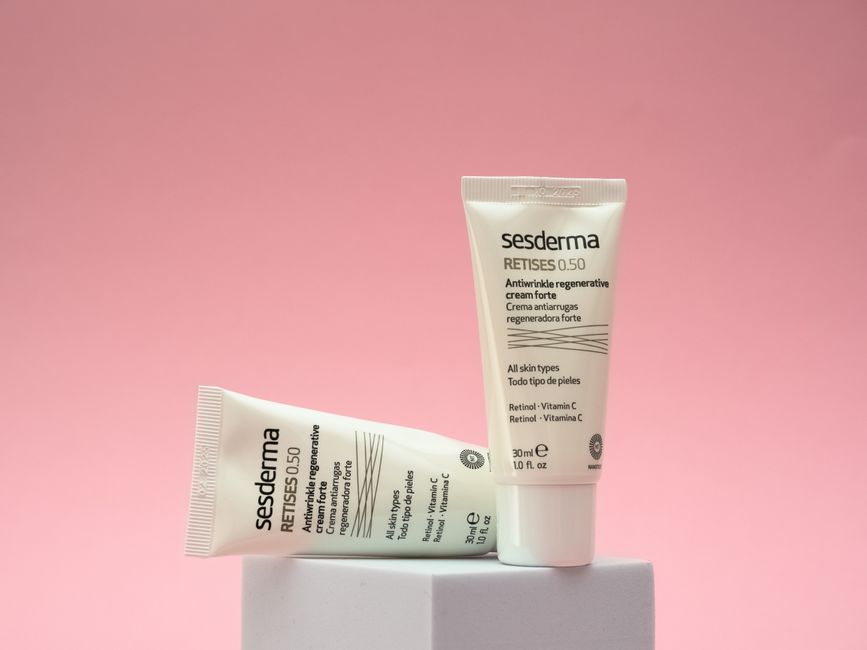
Common Mistakes to Avoid on Your Retinol Journey
Even with the best intentions, it’s easy to make missteps when introducing a potent ingredient like retinol. Avoiding these common errors will save your skin a lot of unnecessary stress.
A common mistake is applying too much too soon. The ‘more is more’ philosophy simply doesn’t apply to retinol. Overuse can overwhelm your skin barrier, leading to irritation, redness, and flaking that can set back your progress or even make you want to give up entirely. Remember, start with a pea-sized amount and increase frequency only when your skin has fully adjusted.
Glowria – Affordable Beauty Box with Full-Size Skincare & Makeup
Another frequent error is neglecting daily sunscreen. Retinol makes your skin more vulnerable to UV radiation, making sun protection absolutely non-negotiable. Skipping sunscreen can undo all the good work retinol is doing, and worse, increase your risk of sun damage and hyperpigmentation. This holds true whether you are enjoying a holiday in Italy or going about your daily routine in Poland.
Combining retinol with other strong actives, particularly at the beginning, can also cause issues. Ingredients like AHAs (glycolic, lactic acids) and BHAs (salicylic acid) are exfoliants, and using them simultaneously with retinol can lead to over-exfoliation and irritation. It’s generally best to alternate them on different nights or use them in separate routines. For instance, use an AHA cleanser in the morning and retinol at night, or use AHA on Monday and retinol on Tuesday. Simplify your routine when starting out.
Lastly, impatience is a significant pitfall. Skincare, especially with active ingredients, requires consistency and time. Expecting immediate results from retinol is unrealistic and can lead to changing products too frequently, never giving any single product enough time to work. Commit to a chosen product for at least 2-3 months before evaluating its effectiveness.
FAQ: Practical Retinol for Adults
What is a simple beauty routine for everyday use with retinol?
A simple beauty routine for everyday use with retinol involves gentle cleansing, a hydrating serum or moisturizer, and a broad-spectrum SPF in the morning. In the evening, after cleansing, apply a low-concentration retinol product, followed by a reparative moisturizer. This streamlined approach minimizes product use while maximizing efficacy and supporting your skin barrier, making it ideal for busy adults.
Can I use retinol if I have sensitive skin?
Yes, but with extra caution. Look for very low-concentration retinol products (e.0.01-0.03%), use the ‘sandwich method’ (moisturizer before and after), and start with only once a week. Prioritize soothing and hydrating ingredients in your routine. If irritation persists, consult a dermatologist.
How long does it take to see results from retinol?
You can typically expect to see initial improvements in skin texture and clarity within 8-12 weeks of consistent use. More significant changes in fine lines, wrinkles, and hyperpigmentation usually take 6-12 months. Patience and consistent application are key to achieving the full benefits.
Do I need a prescription for retinol?
In the US, UK, Germany, France, Italy, Spain, and Poland, most forms of retinol (like retinyl palmitate, retinol, and retinaldehyde) are available over-the-counter. Stronger retinoids like tretinoin (retinoic acid) generally require a prescription from a dermatologist due to their higher potency and potential for side effects.
What is the skin barrier and why is it important with retinol?
The skin barrier is your outermost layer of skin, composed of lipids and cells, protecting against environmental aggressors and preventing water loss. Retinol can temporarily compromise this barrier, leading to dryness and irritation. Maintaining a healthy skin barrier with hydrating and nourishing products is crucial to minimize side effects and ensure retinol works effectively.
Can I use makeup after applying retinol?
Yes, you can apply makeup after your retinol and moisturizer have fully absorbed, typically in the morning after your sunscreen. Ensure your skin is not irritated or flaky, as makeup might emphasize these concerns. On nights you apply retinol, let your skincare fully absorb before going to bed to prevent product transfer.
Navigating the world of advanced skincare, especially when it comes to potent ingredients like retinol, can seem daunting. But with this practical retinol beginner guide for adults, you have the tools to approach it strategically and safely. Remember that consistency, patience, and diligent sun protection are your most important allies in achieving healthy, resilient skin. For more insightful articles on maintaining your beauty essentials and mastering skincare, explore more beauty guides on GoTrendlin.