


Planning a memorable trip without overspending, especially for a seven-day European holiday, hinges on smart packing and strategic choices. Focusing on a carry-on only allows you to save on checked baggage fees, avoid lost luggage hassles, and move more freely between city breaks. The key to an affordable travel planning carry-on packing list for a seven-day European holiday involves versatile clothing, essential toiletries in travel sizes, and leveraging digital resources for navigation and entertainment. Prioritizing multi-use items and choosing durable, lightweight luggage makes a significant difference, ensuring comfort and cost-effectiveness throughout your journey across destinations like Paris, Rome, or Berlin.
The idea of a week-long European escape often conjures images of bustling train stations, charming cobblestone streets, and savoring local delicacies. For many, that dream also comes with the dreaded thought of overpacking, lugging heavy suitcases, and the hidden costs of checked baggage. But what if you could ditch the baggage fees, zip through airports, and navigate those quaint European alleys with ease, all with just a carry-on?
It’s entirely possible. In practice, seasoned travelers know that less truly is more, especially when hopping between iconic city breaks. From the artistic streets of Florence to the vibrant nightlife of Berlin, or the historical grandeur of London, optimizing your packing means more freedom and less stress. This guide will walk you through creating an efficient and affordable travel planning carry-on packing list for a seven-day European holiday, ensuring you’re prepared for whatever adventure awaits.
The Strategic Advantage of Carry-On Travel for European City Breaks
Opting for a carry-on for your seven-day European holiday isn’t just about avoiding baggage fees – although that’s a significant financial win, especially when flying budget airlines common across Europe. It’s about efficiency, security, and flexibility. Imagine disembarking your flight at Charles de Gaulle, Fiumicino, or Heathrow and heading straight for customs, then directly to your accommodation without waiting at the baggage carousel. This saves valuable travel time, which is precious on a shorter trip. Moreover, with your essentials always with you, the risk of lost luggage becomes virtually zero, providing immense peace of mind. It’s a practical advantage for spontaneous travel, enabling you to take advantage of last-minute train tickets or unexpected changes in plans without a bulky suitcase weighing you down.

Navigating European train stations and airports is far simpler with just a carry-on suitcase.
Crafting Your Smart Carry-On Packing List for Europe
Here’s how to build an affordable travel planning carry-on packing list for a seven-day European holiday that meets all your needs without exceeding airline restrictions. This approach focuses on versatility and practicality.
1. Smart Clothing Choices: Layers and Neutrals
The cornerstone of efficient packing is a versatile wardrobe. Europe, especially during shoulder season (spring and fall), can present varied weather in a single day. Think layers: lightweight t-shirts, a long-sleeved shirt, a versatile sweater or cardigan, and a waterproof or water-resistant jacket. Stick to a neutral color palette (blacks, grays, whites, navy) for bottoms and outer layers, allowing you to mix and match tops to create multiple outfits from fewer items. For a 7-day trip, 3-4 tops, 2 bottoms (jeans/travel pants), 1 dress/skirt (if applicable), and 1-2 outer layers should suffice. Don’t forget comfortable walking shoes – you’ll be doing a lot of exploring!
2. Miniaturized Toiletries and Personal Care
Airline liquid restrictions (typically 100ml/3.4oz containers, all fitting into a 1-quart/1-liter clear plastic bag) mean decanting your favorite products or buying travel-sized versions. Pack only what you truly need. Consider solid alternatives like shampoo bars, solid deodorant, and toothpaste tablets to save space and avoid liquid limits entirely. A small first-aid kit with pain relievers, band-aids, and any personal medications is always prudent. Remember, most hotels provide basic amenities.
Experience Unforgettable Trips and Discover New Adventures with KKday
3. Essential Documents and Digital Aids
Beyond your passport (check its expiry date!), carry physical and digital copies of important documents: flight/hotel confirmations, travel insurance details, and identification. For US travelers, always have your ID. Consider a small wallet or money belt for security. Download offline maps (Google Maps, Maps.me), translation apps, and entertainment (e-books, podcasts) to your smartphone or tablet before you leave. This not only saves data but also provides crucial information when Wi-Fi isn’t available.
4. Tech Essentials: Smart Charging Solutions
You’ll need a universal travel adapter for Europe (Type F for Germany, France, Spain, Poland; Type C for Italy, most of Europe; Type G for the UK). A portable power bank is invaluable for recharging your phone on the go, especially after a full day of sightseeing and photo-taking. Limit other electronics to what’s absolutely necessary. Do you really need that extra camera lens or your laptop?
5. The Power of Travel Safety and Insurance
Travel safety is paramount. Keep valuables secure and be aware of your surroundings, especially in crowded tourist areas common in European city breaks. A cross-body bag or a money belt can deter pickpockets. More importantly, ensure you have comprehensive travel insurance. This isn’t just a suggestion; it’s a necessity. Good travel insurance covers medical emergencies, trip cancellations, and lost luggage (even if you’re only carrying on, peace of mind is invaluable). For travelers from the US, UK, and other countries, medical costs abroad can be astronomical without proper coverage. Research options before you go, considering providers like World Nomads or local equivalents in your country.
6. Embrace Multipurpose Items
Think creatively about how items can serve multiple functions. A large scarf can be a fashion accessory, a blanket on a chilly plane, or a cover-up for religious sites. Travel-sized laundry soap sheets can refresh clothes in a hotel sink, extending the life of your wardrobe. A collapsable water bottle saves money on bottled water and reduces plastic waste – many European cities have excellent tap water or public fountains.
Comparing Carry-On Luggage Options
Choosing the right carry-on is crucial for an affordable travel planning carry-on packing list for a seven-day European holiday. Different styles suit different travel preferences and airline restrictions. Always check your chosen airline’s specific size and weight limits before flying, as these vary significantly, especially with budget carriers like Ryanair or easyJet prevalent in Europe.
| Type of Carry-On | Pros | Cons | Best For |
|---|---|---|---|
| Hardshell Spinner (e.g., Samsonite, Monos) | Excellent protection, easy maneuverability, durable | Less flexible for overpacking, can be heavier, rigid sizing | Organized packers, those prioritizing item protection |
| Softshell Upright (e.g., Delsey, American Tourister) | More flexible for stuffing, external pockets, often lighter | Less protection for fragile items, can look bulky | Flexible packers, needing external access, budget airlines |
| Travel Backpack (e.g., Osprey Farpoint, Tortuga) | Hands-free, great for multi-stop trips, often fits under seat | Can be uncomfortable if overloaded, less formal appearance | Solo travelers, adventurers, those using public transport extensively |
| Duffel Bag (e.g., Patagonia Black Hole, North Face Base Camp) | Highly versatile, easy to store when empty, can be very light | No wheels, uncomfortable for long carries, less organization | Minimalists, short trips, road trips, blending in |
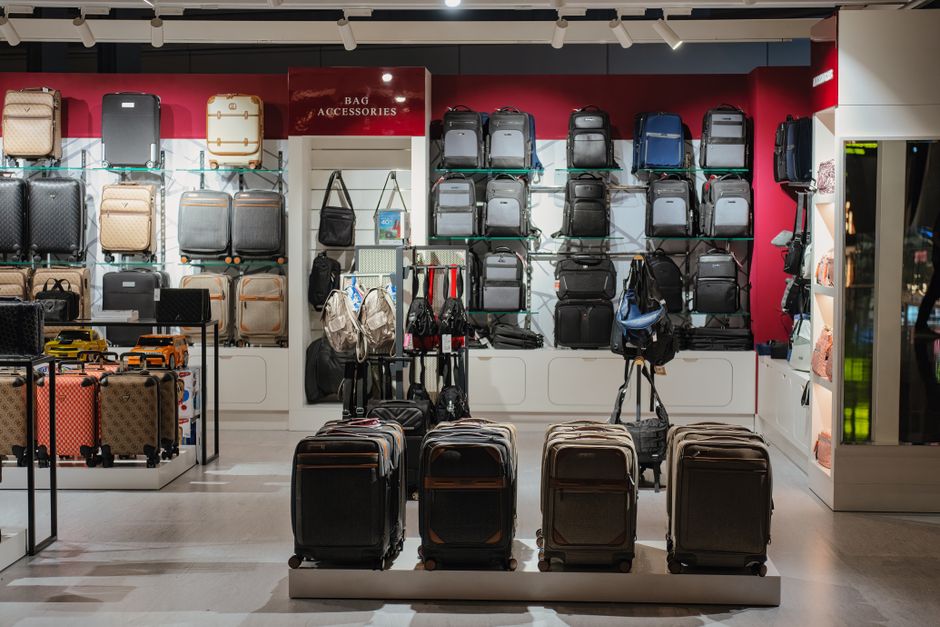
Various types of carry-on luggage displayed, from hardshell to travel backpacks, perfect for diverse European adventures.
Common Packing Mistakes to Avoid on Your European Trip
Even with the best intentions, it’s easy to make packing blunders. A common mistake is packing for ‘what if’ scenarios rather than ‘what is likely.’ Don’t pack an outfit for every single day and every hypothetical event. Focus on versatile items that can be re-worn or mixed and matched. You’re aiming for a capsule wardrobe.
Another frequent error is forgetting about local regulations or customs. For example, some churches and historical sites in Italy and Spain require shoulders and knees to be covered. Having a light scarf or long-sleeved shirt readily available can save you from being turned away or having to buy overpriced souvenirs.
Plan Your Perfect Getaway and Discover the World with Singapore Airlines
Overlooking the weight of your bag is also a trap. While many focus on dimensions, budget airlines are strict about weight limits. A heavier bag, even if it fits in the sizer, could incur significant fees. Always weigh your packed carry-on at home before you leave, considering the weight of the bag itself.
Finally, neglecting to research currency and payment methods can cause unnecessary stress. While credit cards are widely accepted in major cities across Germany, France, and the UK, having some local currency (Euros for most of the EU, Pounds for the UK) for smaller vendors or emergencies is always a good idea.
FAQ: Your European Carry-On Questions Answered
What is the best type of carry-on bag for Europe?
For a seven-day European holiday, a lightweight hardshell spinner or a travel backpack (around 40-45 liters) is generally ideal. Spinners offer protection and easy maneuverability, while backpacks provide hands-free convenience, especially useful when navigating public transport or cobblestone streets in cities like Rome or Kraków. Always check airline size and weight restrictions before selecting your bag.
How can I pack light for a 7-day trip to Europe?
Packing light for Europe involves choosing versatile clothing in neutral colors for layering, decanting toiletries into travel-sized containers, and wearing your heaviest items (like boots or a bulky jacket) on the plane. Utilize packing cubes to compress clothes and organize your bag efficiently, ensuring you only bring essentials and multi-use items.
Do I need an adapter for my electronics in Europe?
Yes, you will definitely need a travel adapter for Europe. Most of mainland Europe (Germany, France, Italy, Spain, Poland) uses Type C and F plugs. The United Kingdom uses a Type G plug, which is different. A universal travel adapter with multiple plug types and USB ports is a smart investment for charging your phone, power bank, and other devices.
Is travel insurance necessary for a short trip to Europe?
Absolutely. Even for a seven-day European holiday, travel insurance is highly recommended. It provides crucial protection against unforeseen circumstances like medical emergencies, trip cancellations, lost luggage, or travel delays. While your credit card might offer some coverage, comprehensive travel insurance typically provides more solid protection, especially for medical care.
Can I bring liquids in my carry-on for European flights?
Yes, but with restrictions. Liquids, aerosols, and gels must be in containers of 100 milliliters (3.4 ounces) or less. All these containers must fit comfortably within a single transparent, resealable plastic bag of 1-liter (approximately 1-quart) capacity. Only one such bag is allowed per passenger, and it must be removed from your carry-on for security screening.
Embarking on a European adventure with just a carry-on is not only achievable but often enhances the experience. By following this affordable travel planning carry-on packing list for a seven-day European holiday, you’re set to explore the vibrant cultures and stunning landscapes of the continent with ease and confidence. For more practical advice and destination insights, explore more travel guides on GoTrendlin.