

To break in new shoes without pain or blisters, start by wearing them for short periods at home, gradually increasing wear time. Use thick socks, targeted stretching methods, and protective measures like blister patches on potential problem areas. Choosing shoes with good comfort and fit from the start, considering materials like soft leather or breathable synthetics, is also crucial. Address pressure points proactively with shoe stretchers or professional help, and ensure proper arch support. This gradual, preventative approach allows the shoes to conform to your feet while minimizing discomfort.
There’s a unique satisfaction that comes with a brand-new pair of shoes. Whether it’s elegant office shoes for your commute in London, sturdy walking shoes for hiking in the Alps, or stylish travel shoes for exploring Rome, the promise of fresh style and comfort is appealing. Yet, for many, that initial joy quickly turns into dread as the shoes refuse to conform, leading to pinching, rubbing, and inevitably, painful blisters. The idea of enduring weeks of discomfort just to ‘break them in’ is often enough to send a new pair straight to the back of the wardrobe.
This common dilemma affects commuters dashing through Grand Central Station, tourists navigating the cobblestone streets of Paris, and professionals standing all day in their Berlin offices. The good news is that breaking in new shoes doesn’t have to be a torturous initiation. With a bit of foresight and the right techniques, you can achieve comfortable footwear right from the start, transforming your new purchase from a potential pain-point into a reliable companion for your daily adventures.
It’s about understanding the materials, your feet, and applying gentle, consistent methods rather than brute force. We’ll explore practical strategies to ensure your new purchase, be it sleek leather boots or flexible trainers, feels like it was custom-made for you, right out of the box.
The Smart Start: A Quick Checklist for Comfortable Footwear
Before you even step out the door, a proactive approach can save you a lot of trouble. Here’s a quick overview of how to achieve comfortable footwear and break in new shoes without pain or blisters:
- Choose Wisely from the Outset: Prioritize comfort and fit when buying.
- Start Slow: Wear new shoes for short intervals at home first.
- Thick Socks are Your Friend: They provide cushioning and help stretch.
- Targeted Stretching: Use stretchers or professional services for tight spots.
- Heat It Up (Carefully): A hairdryer can soften specific areas.
- Protective Barriers: Apply tape or balms to prevent rubbing.
- Moisturize & Condition: Keep leather supple.
- Listen to Your Feet: Remove shoes at the first sign of discomfort.
1. The Foundation: Buying Smart for Instant Comfort
The journey to comfortable footwear truly begins long before you even consider breaking in new shoes. It starts with the purchase itself. A common mistake is buying shoes based solely on aesthetics without prioritizing fit and comfort. Think of it like buying a car; you wouldn’t ignore engine performance for a flashy paint job, and the same principle applies to your feet.
Understand Your Foot Shape and Needs
Your feet are unique. Do you have high arches, flat feet, or bunions? Knowing this will guide your choice. Many specialized stores in the US, UK, and Germany, for instance, offer foot scanning services that can pinpoint your specific needs for arch support and width. Don’t assume your size is static; feet can change over time.
Prioritize Proper Fit Over Size Numbers
Shoe sizes can vary wildly between brands and even within different lines of the same brand. Focus on how the shoe feels. There should be about a thumb’s width between your longest toe and the end of the shoe. The ball of your foot should sit comfortably at the widest part of the shoe. If it’s too tight, you’re asking for trouble; too loose, and your foot will slide, causing friction.
Material Matters for Breaking In
The material plays a huge role in how easily shoes break in. Genuine leather, while requiring a bit more initial effort, will mold beautifully to your feet over time. Suede is generally softer and stretches more readily. Synthetic materials, like those often found in modern walking shoes or trainers, may require less breaking in but might not conform as much. Consider if you need waterproofing for your adventures, as treated materials can be less flexible.
2. The Gentle Introduction: Short & Sweet Encounters
Once you’ve got your new comfortable footwear, resist the urge to wear them for a full day immediately. A gradual approach is key to breaking in new shoes without pain or blisters.
Indoor Sessions First
Start by wearing your new shoes around the house for an hour or two. This low-stakes environment allows you to identify any pressure points without the added stress of a long commute or important meeting. If they start to pinch, take them off. Repeat this over several days, slowly increasing the duration. For instance, if you bought a new pair of smart boots for work in Paris, wear them around your apartment first, not for a stroll down the Champs-Élysées.
The Thick Sock Method
Wearing thick, moisture-wicking socks, especially wool or padded athletic socks, can provide a double benefit. They add extra cushioning, reducing friction and potential blisters, while also subtly stretching the shoe’s material. This is particularly effective for sturdy hiking boots or new dress shoes.
3. Targeted Relief: Addressing Problem Areas Proactively
Even with careful selection and gradual wear, certain spots might still feel tight. This is where targeted techniques come in handy.
Shoe Stretchers and Ball & Ring Stretchers
These tools are invaluable. A universal shoe stretcher can gently widen and lengthen shoes. For specific pressure points, such as bunions or little toe areas, a ball & ring stretcher can apply precise pressure to expand just that spot. You can find these at shoe repair shops or online. Follow instructions carefully to avoid overstretching or damaging the shoe.
The Hairdryer Hack (with Caution)
For leather shoes, applying gentle heat can help soften and stretch the material. Put on your thickest socks, then wear the shoes. Use a hairdryer on a medium setting, directing the heat at the tightest areas for about 20-30 seconds at a time, wiggling your toes and flexing your foot. Let the shoes cool on your feet to help them mold. This is best for specific spots, not an overall stretch, and should be done with extreme care to avoid damaging delicate materials.
Professional Help
Don’t underestimate the expertise of a cobbler. Many shoe repair shops in places like Milan, known for its fashion, or even smaller towns in Poland, offer professional shoe stretching services. They have specialized machinery and knowledge to stretch shoes safely and effectively, especially for expensive or delicate materials.
4. Protecting Your Feet: Preventative Measures
While you’re breaking in new shoes, your feet are vulnerable. Proactive protection is paramount to prevent blisters and discomfort.
Blister Patches and Taping
Before you even feel a hot spot, identify areas prone to rubbing—often the heels, sides of the toes, or the top of the foot. Apply preventative blister patches, moleskin, or even athletic tape to these areas. Brands like Compeed are widely available in European pharmacies and supermarkets and are excellent for immediate relief and prevention. This is especially useful when breaking in new walking shoes for a trip, or heavy-duty work boots.
Anti-Blister Balms and Creams
Products designed to reduce friction, like anti-blister balms or petroleum jelly, can be applied directly to your feet. These create a smooth barrier between your skin and the shoe, allowing for comfortable movement. This is a simple yet effective strategy for any type of footwear.
Proper Arch Support
Often overlooked, good arch support is fundamental for overall foot comfort, especially when breaking in new shoes. If your new shoes lack adequate support, consider adding orthotic inserts. These can prevent foot fatigue, alleviate pressure on the balls of your feet, and improve your posture, making the breaking-in process much more bearable. Brands like Superfeet or Dr. Scholl’s offer a range of options, available globally. Ensuring proper support is key to long-term comfortable footwear.
From Boots to Sneakers: A Comprehensive Guide to Men’s Footwear
5. Maintenance and Ongoing Care for Lasting Comfort
Breaking in shoes isn’t a one-and-done deal. Proper care ensures they remain comfortable and last longer.
Conditioning Leather
For leather shoes, regular conditioning keeps the material supple and prevents it from drying out and becoming stiff. A good leather conditioner or cream, applied periodically, will maintain the leather’s natural flexibility, making them more comfortable and less prone to cracking. This is particularly important for boots or formal office shoes.
Shoe Trees
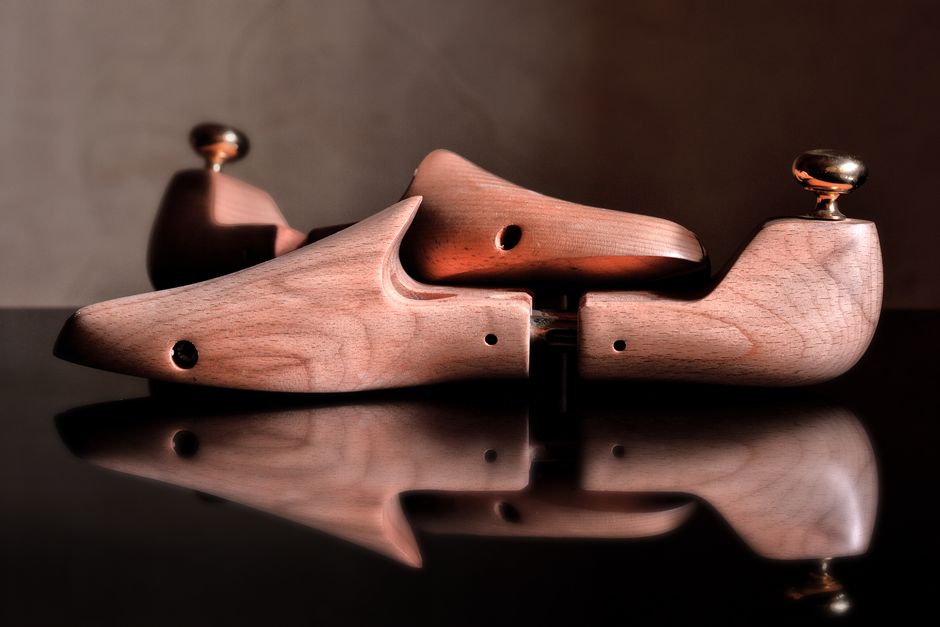
Cedar shoe trees are excellent for maintaining the shape of your shoes, absorbing moisture, and keeping them fresh. When you’re not wearing your new shoes, especially during the breaking-in period, shoe trees can prevent creases and help them retain their molded shape, contributing to lasting comfortable footwear.
Addressing Waterproofing Needs
If your shoes feature waterproofing, understand that this can sometimes affect their initial flexibility. Some waterproof membranes are stiffer. Regular wear will soften them, but ensure you also maintain the exterior waterproofing treatment as recommended by the manufacturer, especially for walking shoes or boots exposed to the elements in countries like the UK or Germany, where rain is frequent.
FAQ: Your Burning Questions About Breaking In Shoes
How do I choose comfortable shoes for daily walking?
When choosing comfortable shoes for daily walking, prioritize good arch support, proper fit (a thumb’s width at the toe), and breathable, flexible materials. Look for shoes with adequate cushioning and a stable sole with good grip. Try them on at the end of the day when your feet are slightly swollen, and walk around the store to assess immediate comfort. Brands focusing on ergonomic design often provide better options.
Can I speed up the breaking-in process for leather boots?
Yes, you can gently speed up the process for leather boots. Wear them with thick socks around the house for short periods. You can also use a leather conditioner to soften the material, or target specific tight spots with a shoe stretcher. Some people use the hairdryer method carefully. Avoid extreme measures like soaking them in water, which can damage the leather and compromise waterproofing.
What are the best types of socks to wear with new shoes?
The best types of socks for new shoes are those that are slightly thicker and made from moisture-wicking materials like merino wool or synthetic blends. These socks provide extra cushioning, reduce friction, and help absorb sweat, preventing blisters. Avoid thin cotton socks, which tend to trap moisture and can increase rubbing.
Should I buy shoes a size up if they feel tight?
Generally, no. Buying shoes a size up might solve tightness in one area but can lead to new problems like excessive sliding, heel slippage, and inadequate support elsewhere. It’s better to ensure the shoe has the correct length and width for your foot, and then use targeted stretching methods or consider a different style or brand if the fit isn’t right.
How do I prevent blisters on my heels when breaking in new shoes?
To prevent heel blisters, wear thick, well-padded socks to cushion the area. Apply a preventative blister patch, moleskin, or athletic tape to your heels before wearing the shoes. You can also use anti-friction balms. Ensure the shoe’s heel cup fits snugly but doesn’t dig in, and consider using heel grippers or inserts if there’s too much slippage.
Key Takeaways for Pain-Free Footwear
The quest for comfortable footwear doesn’t have to be a battle against blisters and pain. By adopting a thoughtful, preventative approach, you can break in new shoes effectively. The most crucial steps involve choosing shoes with proper fit and comfort from the outset, understanding that materials play a significant role, and employing gradual, targeted methods for stretching and protection. Always be proactive in addressing potential hot spots and remember that professional help is always an option.
Whether you’re investing in new walking shoes for adventures across the continent, sleek office shoes for your daily grind in Frankfurt, or durable travel shoes for exploring sunny Spain, these techniques will ensure your feet remain happy. Your feet are your foundation; treat them well, and they’ll carry you comfortably through every step of your journey. No more sacrificing comfort for style; with these tips, you can truly have both.
Ready to discover more ways to enhance your shoe experience and find the perfect pair for any occasion? Explore more footwear guides on GoTrendlin.