

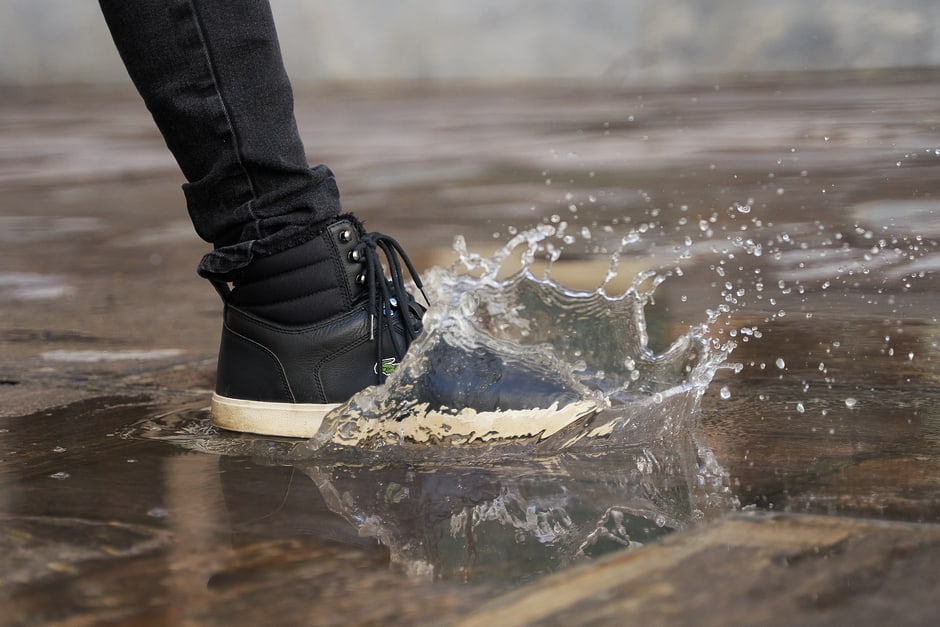
To choose comfortable shoes for daily walking in winter, prioritize models that offer excellent arch support, sufficient cushioning, and a secure fit without pinching. Look for boots with a waterproof membrane to keep feet dry and warm insulation. Crucially, a robust outsole with multi-directional lugs ensures superior grip on slippery surfaces like ice and wet leaves. Brands known for comfort often incorporate advanced footbed technologies. Consider the weight of the boot, as lighter options reduce fatigue over long distances, making your daily commute or travel much more pleasant.
When the chill sets in across London, New York, or even the bustling Christmas markets of Munich, the right pair of winter boots isn’t just a fashion statement—it’s a critical piece of equipment. Striking the perfect balance between keeping your feet toasty warm, ensuring you stay upright on icy pavements, and still looking sharp can feel like a tall order. Yet, with a bit of informed decision-making, you can find comfortable footwear winter boots that tick all these boxes.
Forget the days of sacrificing comfort for style, or vice versa. Modern boot technology has advanced significantly, offering sophisticated designs that integrate superior warmth, reliable grip, and genuine all-day comfort. Whether you’re a daily commuter battling urban slush, a traveler exploring a new city like Krakow or Verona, or someone who simply enjoys winter walks, selecting the right boots will dramatically improve your cold-weather experience.

Understanding the Core Pillars: Warmth, Grip, and Comfort
Before you even consider aesthetics, it’s vital to understand the functional aspects that make a winter boot truly effective. These aren’t just features; they’re your primary defenses against the elements and potential slips. For many, finding truly comfortable footwear winter boots begins with these fundamental elements.
Insulation: Keeping Your Toes Toasty
The primary job of a winter boot is to keep your feet warm. But ‘warm’ can mean different things depending on where you live and your activity level. Are you facing mild English winters or the biting cold of Poland?
- Material Matters: Look for insulation types like Thinsulate, PrimaLoft, or natural wool (e.g., Merino). Thinsulate, a synthetic material, is excellent for its warmth-to-bulk ratio, making it ideal for sleeker designs. PrimaLoft offers similar benefits, often made from recycled materials. Natural wool provides exceptional warmth and breathability, often found lining higher-end boots.
- Temperature Ratings: Some boots come with a temperature rating (e.g., rated to -20°C or -4°F). While a useful guide, remember these are often laboratory tested and real-world performance can vary based on your activity, circulation, and sock choice.
- Lining and Collar: A soft, insulated lining throughout the boot, extending up the shaft, significantly contributes to overall warmth. A well-padded collar not only adds comfort but also helps seal in heat.
Grip: Staying on Your Feet
Perhaps the most underrated feature, a boot’s grip is paramount for safety. Navigating icy pavements in Paris or snowy trails in the Bavarian Alps demands a reliable outsole.
- Outsole Material: Rubber compounds are standard, but the specific blend affects performance. Softer rubbers tend to offer better grip in cold conditions but might wear faster. Harder compounds are more durable but can be slicker.
- Tread Pattern: Look for multi-directional lugs and deep grooves. These patterns are designed to channel water and slush away, preventing hydroplaning, and provide traction on uneven or slippery surfaces. Boots with a distinct heel block also aid in downhill traction.
- Ice-Specific Tech: Some brands, like those popular in Scandinavia or Canada, integrate specialized ice-gripping technologies, such as micro-glass fibers or carbide studs within the rubber. While effective, these can be less comfortable on indoor surfaces.
The Foundation of Comfort: Fit and Support
No matter how warm or grippy a boot is, if it’s not comfortable, you won’t wear it. This is where personal fit, arch support, and cushioning come into play for truly comfortable footwear winter boots.
Summer Footwear That Keeps Feet Cool and Supported: A Practical Guide
- Arch Support: Crucial for daily walking and reducing fatigue. Many boots come with removable insoles, allowing you to swap in custom orthotics if needed. Brands like Ecco or Clarks are known for their anatomical footbeds.
- Cushioning: A well-cushioned midsole absorbs impact, protecting your joints. EVA (ethylene-vinyl acetate) and PU (polyurethane) are common materials. PU tends to be more durable and supportive, while EVA is lighter.
- Fit: Try boots on with the type of socks you’ll typically wear. Ensure there’s enough room to wiggle your toes, but not so much that your foot slides around. A snug fit around the ankle and heel prevents chafing and provides stability. Don’t forget that feet can swell slightly throughout the day, so try boots on later in the afternoon.
Navigating Waterproofing and Breathability
Wet feet lead to cold feet, making waterproofing a non-negotiable for most winter environments, whether you’re dealing with slush in Milan or a steady drizzle in Dublin. However, waterproofing often comes with breathability trade-offs.
Waterproof Membranes and Coatings
The gold standard for waterproofing is a membrane like Gore-Tex. This material allows moisture vapor (sweat) to escape while preventing liquid water from entering. Other effective membranes include eVent or proprietary brand technologies. For more casual boots, a DWR (Durable Water Repellent) coating on the outer material can repel light rain, but it’s not a true waterproof barrier. Look for ‘fully waterproof’ or ‘seam-sealed’ constructions for maximum protection.
Balancing Act: Breathability
While waterproofing is key, breathability prevents your feet from getting sweaty and clammy, which can also lead to cold. High-quality waterproof membranes are designed to be breathable, but no waterproof boot will ever be as breathable as an unlined leather boot. Consider your activity level: if you’re hiking vigorously, maximum breathability is important. For standing at a football match or casual city strolling, a slightly less breathable, but warmer, option might be fine.
Style and Versatility: From Office to Outdoors
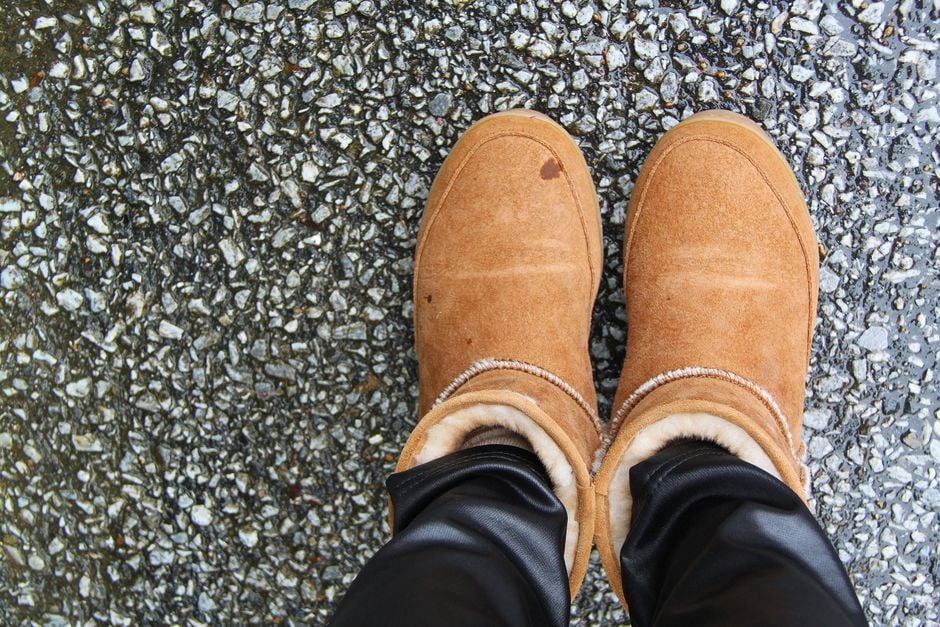
Finding comfortable footwear winter boots that fit your personal style and intended use is key. The good news is that many brands now offer stylish options that don’t compromise on performance. You don’t have to choose between functional walking shoes and elegant office shoes.
Urban Commuters and Travelers
For those navigating city streets in places like New York, Frankfurt, or Madrid, a versatile boot is essential. Look for:
* Sleeker Profiles: Chelsea boots, stylish lace-ups, or refined ankle boots in leather or high-quality synthetic materials. Brands like Timberland, Dr. Martens (certain models with improved grip), or even more fashion-forward brands like Blundstone offer options that blend well with smart-casual attire.
* Hidden Tech: Many urban-focused boots now incorporate advanced insulation and grip technology without looking overly rugged. You want something that looks good with trousers or jeans but can still handle a sudden downpour or light snow.
Outdoor Enthusiasts and Families
If your winter involves more rugged terrain, perhaps exploring the national parks of the US or the Black Forest in Germany, durability and maximum protection are paramount.
- Hiking-Inspired Boots: Often higher-cut for ankle support, with solid toe caps and aggressive tread. Brands like Salomon, Merrell, or Columbia are strong contenders here.
- Snow Boots: For deep snow and extreme cold, specialized snow boots with high shafts and substantial insulation are best. These are typically less fashionable but excel in performance.
Practical Considerations for Purchase and Care
Buying the right pair of boots is an investment. Here are a few final tips to ensure you make the best choice and prolong the life of your comfortable footwear winter boots:
Loafers, Trainers, or Boots: Choosing Comfortable Shoes for Smart Casual Style
- Try Before You Buy: Always try boots on, ideally towards the end of the day when your feet are slightly swollen. Walk around the store. If buying online, ensure a flexible return policy.
- Sock Choice: The socks you wear can make a huge difference in warmth and comfort. Wool or synthetic blends are superior to cotton for winter wear.
- Break-In Period: Even comfortable boots may require a short break-in period. Don’t plan a long hike immediately after purchase.
- Maintenance: Regular cleaning and conditioning (for leather) or re-applying DWR spray (for synthetic fabrics) will extend the life and effectiveness of your boots. Store them properly, away from direct heat.
Frequently Asked Questions About Winter Boots
How do I choose comfortable shoes for daily walking in winter?
Prioritize boots with excellent arch support, ample cushioning, and a secure, non-pinching fit. Look for waterproof materials to keep feet dry and warm insulation appropriate for your climate. A solid outsole with deep, multi-directional lugs is essential for reliable grip on slippery surfaces, ensuring stability during your daily walks and commutes.
What makes a winter boot truly waterproof?
A truly waterproof winter boot typically features an integrated membrane, such as Gore-Tex, which acts as a barrier to water while allowing perspiration to escape. Additionally, the boot’s seams must be sealed, and the overall construction designed to prevent water ingress. Simple water-resistant coatings offer less protection than full waterproof membranes.
Can I wear stylish leather boots in heavy snow?
While stylish leather boots can look great, their suitability for heavy snow depends on their specific construction. Many fashion-oriented leather boots lack adequate insulation, waterproofing (unless treated and seam-sealed), and aggressive grip for deep snow or ice. For heavy snow, opt for purpose-built snow boots with solid insulation and grip.
How much insulation do I need for a European winter?
The amount of insulation needed for a European winter varies greatly by region. For mild coastal areas like Portugal or Southern France, minimal insulation might suffice. For colder regions like Scandinavia, the Alps, or Eastern Europe, boots rated for -10°C to -20°C (14°F to -4°F) with synthetic or natural wool insulation are often recommended, especially for prolonged outdoor exposure.
Are heavier winter boots always warmer?
Not necessarily. While heavier boots might contain more insulating material, modern synthetic insulations like Thinsulate or PrimaLoft offer significant warmth without excessive bulk or weight. The effectiveness of insulation depends on its quality and density, not solely on the overall weight of the boot. Lighter, well-insulated boots can often be just as warm and more comfortable for long-term wear.
How important is arch support in winter boots?
Arch support is critically important in winter boots, particularly for comfortable footwear winter boots used for daily walking or extended periods on your feet. Proper arch support helps distribute pressure evenly, reduces foot fatigue, and prevents common issues like plantar fasciitis. Many quality winter boots offer excellent built-in arch support, or you can often insert custom orthotics.
Conclusion
Choosing comfortable footwear winter boots means looking beyond the immediate appeal of their design. It’s about a thoughtful consideration of warmth, unwavering grip, and a fit that supports your feet through every step of your winter journey. By prioritizing these elements, you can confidently stride through chilly cityscapes, muddy country paths, or snowy mountain trails, knowing your feet are well-protected and comfortable. Explore more footwear guides on GoTrendlin for deeper insights into finding your perfect pair.