


When choosing an everyday bag for travel and work, shoppers should look for a balance of durability, functionality, style, and ethical considerations. For durability, real leather often boasts longevity and develops a unique patina, while high-quality vegan leather offers water resistance and lighter weight. Functionality means adequate capacity, secure compartments (especially for laptop protection), and comfortable straps. Style is subjective but should align with your professional and casual needs. Lastly, consider your stance on animal products and environmental impact; vegan leather often presents a cruelty-free option, though its material composition varies widely.
Deciding on a new bag often feels like a significant investment, especially when it needs to pull double duty for both daily commutes and weekend getaways. You’re not just picking a colour; you’re weighing practicality, longevity, and increasingly, ethical implications. For many, the central question revolves around material: are you better off with the traditional appeal of real leather or the modern innovations of vegan leather?
This isn’t merely a trend discussion. It’s about understanding what truly performs under pressure—from carrying a laptop through a busy London Underground station to enduring baggage handlers at Frankfurt Airport. We’ll cut through the marketing jargon to give you a clear perspective on which material makes the best bags for travel and work, ensuring your next purchase serves you well for years.
Understanding the Materials: Beyond Surface Appearances
Before diving into specific recommendations, it’s crucial to understand what you’re actually getting with each material. Real leather, often sourced from cows (though other animals like sheep, goats, or pigs are also used), is a natural product. Its strength, flexibility, and ability to develop a unique patina over time are legendary. However, its production involves tanning processes that can be resource-intensive and raise ethical concerns for many.
Vegan leather, on the other hand, is a broad category. It typically refers to synthetic materials designed to mimic leather’s appearance and feel, such as PU (polyurethane) or PVC (polyvinyl chloride). More recently, innovative plant-based options like pineapple leaves (Piñatex), mushroom mycelium, apple peels, and even cactus leather are gaining traction. While these newer alternatives aim for better sustainability, the synthetic variants often rely on petroleum-based plastics, which have their own environmental footprint. The key takeaway is that ‘vegan leather’ isn’t a single material; its quality and environmental impact can vary dramatically.
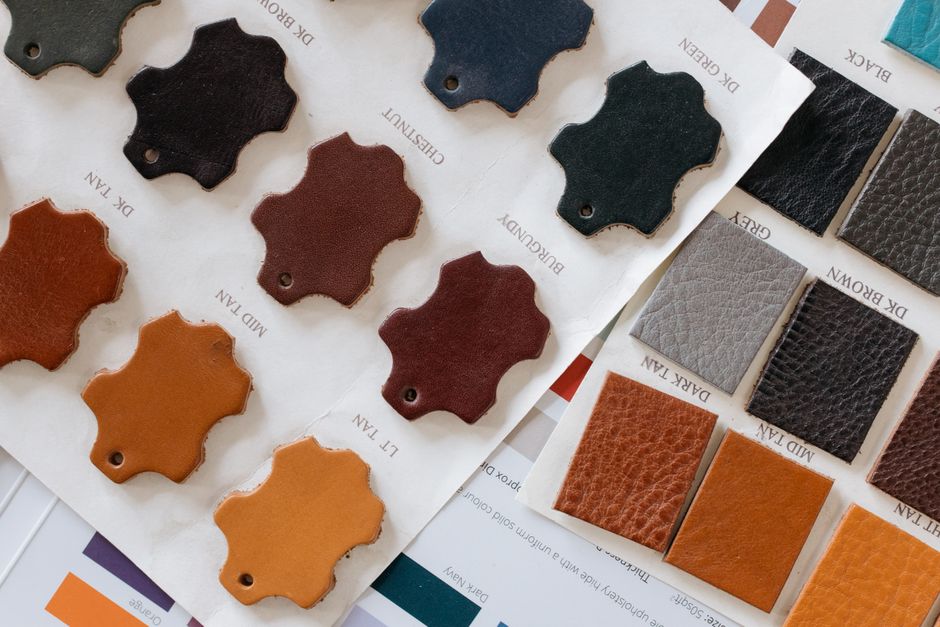
Real Leather: The Pros and Cons
- Pros: Exceptional durability, develops rich patina, breathability, timeless aesthetic, often repairable.
- Cons: Higher cost, requires specific maintenance, not water-resistant without treatment, ethical concerns regarding animal welfare, significant environmental impact from tanning.
Vegan Leather: The Pros and Cons
- Pros: Cruelty-free, often lighter weight, can be water-resistant, variety of styles and colours, typically lower price point.
- Cons: Durability varies greatly (can peel/crack), less breathable, some synthetic types are not environmentally friendly, may lack the ‘feel’ of real leather.
Choosing the Best Bags for Travel and Work: Key Considerations
When you’re investing in bags that need to withstand daily use and the rigours of travel, several factors should guide your decision. This isn’t just about what looks good; it’s about what performs under pressure.
1. Durability and Longevity
Real leather, particularly full-grain, is renowned for its durability. A well-made real leather carry-on bag or briefcase can last decades, often improving with age. It’s resilient against scuffs and minor abrasions, though deep cuts are permanent. Vegan leather’s durability is far more variable. High-quality PU vegan leather can be surprisingly solid for a few years, but lower-grade PVC can crack and peel relatively quickly, especially at stress points like handles and seams. For items like a laptop bag that see daily heavy use, investing in a top-tier vegan option or a solid real leather is critical.
2. Maintenance and Care
Real leather requires specific care to prevent drying and cracking, including periodic conditioning. It’s also susceptible to water stains if not treated. Vegan leather is generally easier to clean; a damp cloth usually suffices for most spills. However, synthetic vegan leather can be more prone to showing scratches or scuffs, which are often harder to repair than on real leather.
Best Anti-Theft Travel Bags for Busy Cities: Your Ultimate Protection Guide
3. Weight and Comfort
Vegan leather bags are typically lighter than their real leather counterparts. This can be a significant advantage for a large tote, a backpack for students, or a crossbody bag for navigating tourist sites in Rome or Paris. Every gram counts when you’re managing carry-on luggage or walking through city centres. Lighter bags mean less strain on your shoulders and back, enhancing overall comfort during long days.
4. Aesthetic and Style
While real leather has a classic, often luxurious aesthetic that appeals to professionals and travellers seeking a polished look, vegan leather has made immense strides in replicating this. Modern vegan leathers come in an incredible array of finishes, textures, and colours. You can find sleek, minimalist designs perfect for a modern office in Berlin, or more avant-garde styles. The choice here often boils down to personal preference and the specific look you’re aiming for.
5. Ethical and Environmental Impact
This is where the debate often becomes most passionate. Real leather involves animal agriculture, which has a significant environmental footprint (land use, water consumption, methane emissions). The tanning process uses chemicals that can be pollutants. Vegan leather avoids animal cruelty, but synthetic options are often petroleum-based plastics, which are not biodegradable and contribute to microplastic pollution. Newer plant-based vegan leathers offer a more eco-friendly alternative, but they are often more expensive and less widely available. Your choice reflects your personal values regarding animal welfare and environmental sustainability.
6. Price Point
Generally, real leather bags command a higher price tag due to the raw material cost and complex processing. However, a premium brand real leather bag is often seen as a long-term investment. Vegan leather bags, particularly those made from PU, are usually more affordable, making them an accessible option. High-end plant-based vegan leathers, however, can rival or even exceed the price of some real leather options.
Comparing Bag Types: Vegan vs. Real Leather
Let’s look at how these materials perform across common bag types crucial for daily life and journeys.
| Bag Type | Real Leather Advantages | Vegan Leather Advantages | Key Consideration |
|---|---|---|---|
| Carry-On Bags | Rugged, classic look, ages well with travel wear. | Lighter weight (crucial for airline limits), often water-resistant. | Weight for real leather; durability for vegan. |
| Laptop Bags | Excellent laptop protection with solid structure, professional aesthetic. | Lightweight for daily commute, often water-resistant. | Real leather offers superior shock absorption; vegan for weather resistance. |
| Crossbody Bags | Premium feel, moulds to body, good anti-theft design potential. | Extremely lightweight, vibrant colour options, easier to clean. | Real leather for heirloom quality; vegan for trend and budget. |
| Backpacks | Durable for heavy loads, professional appearance for work. | Lighter, more flexible designs, often better for students/casual use. | Comfort with weight (vegan) vs. long-term robustness (real). |
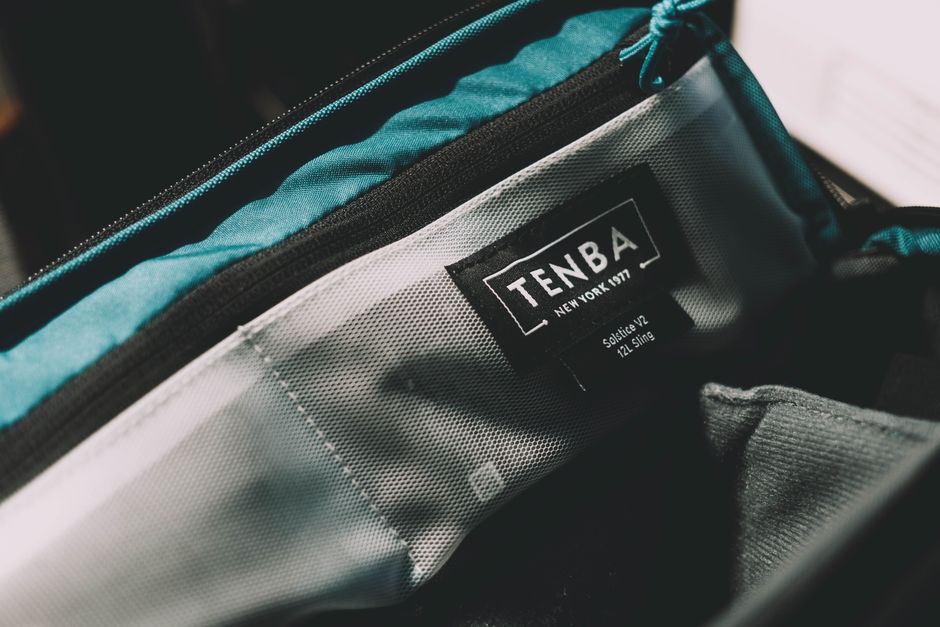
Common Mistakes to Avoid When Buying Bags
Navigating the world of bags can be tricky. Here are some pitfalls to steer clear of:
A common mistake is assuming all ‘leather’ is high quality. Many bags are made from ‘bonded leather’ or ‘genuine leather’, which are often composites of leather scraps and binders, lacking the durability of full-grain or top-grain leather. Always look for specifics in product descriptions; if it just says ‘leather’ without further detail, be wary.
Another error is underestimating the importance of internal organisation, especially for laptop bags and carry-on bags. A bag might look great, but if it lacks padded compartments for electronics, secure pockets for valuables (consider anti-theft design features like hidden zippers or RFID protection), and accessible pockets for essentials, it won’t serve your practical needs effectively. This is particularly crucial for those travelling through busy hubs like Charles de Gaulle or Schiphol.
The Perfect Accessory for Any Occasion: Check Out the Best Fashion Bags on ochnik Official Site!
Overlooking strap comfort and hardware quality is also a frequent oversight. Flimsy zips, cheap buckles, or unpadded straps can quickly ruin an otherwise good bag. For a bag you’ll carry daily, or through multiple airport terminals, the comfort of the straps and the robustness of the hardware are paramount. Check customer reviews for mentions of these details.
Finally, ignoring the bag’s actual size and weight in relation to your needs. A large real leather tote might be beautiful but too heavy for daily shoulder carry. Conversely, a compact vegan crossbody might not hold your tablet and all your essentials. Always check dimensions and consider how much you realistically need to carry, keeping airline personal item and carry-on restrictions in mind, which vary across carriers in the US, UK, and continental Europe.
FAQ: Answering Your Bag Buying Questions
What is the most durable type of leather for bags?
Full-grain leather is widely considered the most durable type. It uses the entire grain of the hide, including the strongest, densest fibres, making it exceptionally solid, resistant to wear, and capable of developing a beautiful patina over decades of use.
Are vegan leather bags truly environmentally friendly?
The environmental friendliness of vegan leather varies significantly. While it’s animal-cruelty-free, synthetic options like PU and PVC are petroleum-based and not biodegradable. Newer plant-based alternatives (e.g., apple, pineapple, mushroom) offer more sustainable options, but their production processes and longevity still need extensive evaluation.
How can I identify high-quality vegan leather?
High-quality vegan leather often feels soft and pliable, has a consistent finish, and doesn’t have a strong chemical smell. Look for details like strong stitching, solid hardware, and a reputable brand. Research materials like ‘microfiber leather’ or specific plant-based options, as they generally indicate better durability than cheaper PVC.
Is real leather worth the higher price?
For many, real leather is worth the higher price due to its superior durability, timeless aesthetic, and the way it ages. A well-cared-for real leather bag can last for decades, becoming an heirloom piece, which makes the initial investment justifiable over its lifespan compared to frequently replacing cheaper alternatives.
What anti-theft features should I look for in a travel bag?
For travel, essential anti-theft features include lockable zippers, RFID-blocking pockets to protect credit cards and passports, cut-resistant materials (especially on straps), and hidden pockets for valuables. Crossbody bags with these features are particularly useful for navigating crowded tourist areas.
Making Your Informed Decision
Ultimately, the choice between vegan leather vs. real leather bags for travel and work comes down to a blend of practical needs, aesthetic preferences, and personal values. Real leather offers unmatched durability and a classic look, but comes with ethical and environmental considerations. Vegan leather provides a cruelty-free, often lighter, and more affordable alternative, with quality ranging from highly durable innovations to less solid synthetics. Evaluate your specific demands for features like laptop protection, anti-theft design, and ease of maintenance. With this knowledge, you’re well-equipped to find the best bags for travel and work that genuinely fit your lifestyle.
Explore more bags guides on GoTrendlin to discover the perfect companion for your next journey or daily commute.