

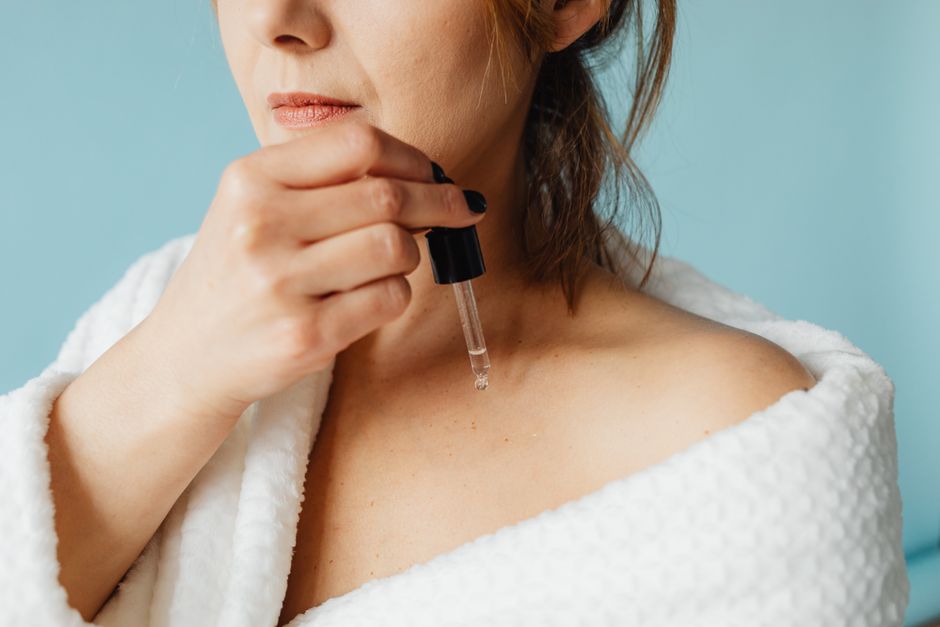
For everyday use, a simple beauty routine for dehydrated skin focuses on layering hydration and protecting the skin barrier. Start with a gentle cleanser, followed by a hydrating serum rich in hyaluronic acid or glycerin. Lock it in with a moisturizer containing ceramides or squalane. Always finish with a broad-spectrum sunscreen with at least SPF 30 during the day. This routine helps replenish moisture, strengthen the skin’s natural defenses, and prevent further water loss, addressing the core issues of dehydration effectively.
That uncomfortable tightness, the subtle dullness, or even the surprising appearance of fine lines – these are all classic cries for help from dehydrated skin. It’s a common misconception that oily skin can’t be dehydrated; in reality, any skin type can lack water, regardless of its oil production. This isn’t about dry skin (a lack of oil) but rather parched skin (a lack of water).
Navigating the vast world of skincare can feel overwhelming, especially when your skin is already stressed. For beauty beginners, busy adults juggling multiple commitments, or even seasoned travelers facing new climates, knowing which beauty essentials and skincare beauty ingredients to look for when your skin feels dehydrated can be a true practical advantage. Our goal here is to demystify the science and provide actionable, evidence-aware advice that will leave your skin feeling plump, comfortable, and radiant.
We’ll focus on the power players – those ingredients backed by dermatological consensus that effectively rehydrate and support your skin’s natural defenses, all while considering the diverse needs of consumers from the US to the UK, Germany, France, Italy, Spain, and Poland.
Understanding Dehydration: Why Your Skin Feels Parched
Before diving into solutions, it’s helpful to understand what’s happening at a cellular level. Dehydration occurs when your skin barrier, the outermost layer designed to keep irritants out and moisture in, is compromised. This can be due to environmental factors, harsh cleansers, over-exfoliation, or even just not drinking enough water.
- Environmental Stressors: Dry air, cold winds (common across Europe during winter), and even air conditioning can strip moisture.
- Hot Showers: While tempting, hot water can degrade the natural lipids in your skin barrier.
- Harsh Cleansers: Soaps with high pH levels can disrupt the skin’s acidic mantle.
- Over-Exfoliation: Using too many acids or scrubs can damage the delicate outer layer.
- Sun Exposure: UV radiation directly damages skin cells and can lead to moisture loss, highlighting the importance of sunscreen.
- Lifestyle Factors: Dehydration from insufficient water intake or excessive caffeine/alcohol consumption can manifest on your skin.
- Aging: As we age, our skin naturally produces less hyaluronic acid and ceramides.
- Product Overload: Sometimes, too many active ingredients can irritate and dehydrate, especially for sensitive skin types.
The Hydration Heroes: Key Ingredients to Seek Out
When your skin is thirsty, not all ingredients are created equal. Focus on humectants, emollients, and occlusives that work synergistically to attract water, fill in gaps, and seal it all in.
Hyaluronic Acid (HA): The Moisture Magnet
Often touted as a miracle ingredient, hyaluronic acid is a naturally occurring humectant in our skin. It has an incredible capacity to hold up to 1,000 times its weight in water, drawing moisture from the air and deeper layers of your skin to the surface.
- How it works: HA acts like a sponge, plumping up the skin and reducing the appearance of fine lines caused by dehydration.
- Practical Tip: Apply HA to damp skin to maximize its ability to draw in water. Following with an emollient moisturizer is key to sealing in that hydration. Many serums sold in pharmacies across Paris, Berlin, or London prominently feature HA.
- Trade-off: In very dry climates without sufficient humidity, HA can sometimes pull moisture from the deeper layers of your skin, potentially leading to more dryness if not sealed with an occlusive.
Glycerin: The Unsung Workhorse
Glycerin is another powerful humectant, often found in combination with hyaluronic acid. It’s less flashy but equally effective, and generally more affordable. It’s a staple in many formulations for a reason.
- How it works: Similar to HA, glycerin draws water into the skin, making it feel softer and more supple. It’s excellent for all skin types, including sensitive skin.
- Practical Tip: Look for it high up on the ingredient list in cleansers, toners, and moisturizers. Its omnipresence in European pharmacy brands speaks to its reliability.
- Trade-off: While highly effective, glycerin can sometimes feel slightly tacky on the skin if used in very high concentrations without proper formulation.
Ceramides: The Skin Barrier Builders
Ceramides are lipids (fats) that make up about 50% of your skin barrier. Think of them as the mortar between the bricks (skin cells) – they hold everything together, preventing water loss and protecting against environmental damage.
- How it works: Replenishing ceramides strengthens your skin barrier, making it more resilient and less prone to dehydration and irritation. This is crucial for maintaining the skin’s integrity, especially after sun exposure or harsh treatments.
- Practical Tip: Essential for restoring compromised skin, ceramides are often found in richer creams and lotions. Many dermatologists in the US and Germany recommend ceramide-rich products for repairing a damaged barrier.
- Trade-off: Some ceramide products can feel heavier, which might not be preferred by those with naturally oily but dehydrated skin.
Squalane: The Emollient Extraordinaire
Squalane is a stable form of squalene, a natural lipid produced by our own sebaceous glands. It’s lightweight, non-comedogenic (won’t clog pores), and an excellent emollient.
How to Keep Makeup Fresh During Hot Summer Travel: Your Ultimate Guide
- How it works: Squalane mimics the skin’s natural oils, providing instant comfort and preventing further moisture loss without feeling greasy. It also helps improve skin elasticity.
- Practical Tip: Great as a standalone oil or within moisturizers. It’s a fantastic addition for busy adults who need effective hydration that absorbs quickly. Many US brands have popularized squalane as a clean beauty staple.
- Trade-off: While non-comedogenic for most, those with extremely acne-prone skin might prefer to patch test.
Urea: The Lesser-Known Powerhouse
Urea is a fascinating ingredient that acts as both a humectant and, in higher concentrations, a mild exfoliant. It’s naturally found in our skin and is part of our natural moisturizing factor (NMF).
- How it works: At lower concentrations (under 10%), urea draws and holds moisture. At higher concentrations (10%+), it helps gently break down rough, scaly skin, improving texture. It can be particularly helpful for extremely dry or flaky patches common in Northern European climates.
- Practical Tip: Look for urea in body lotions and targeted creams for areas like elbows or heels, but it’s also fantastic in facial moisturizers for parched skin. Brands in Germany and Poland often feature urea prominently in their skincare lines.
- Trade-off: High concentrations of urea can cause mild stinging or irritation, especially on broken or very sensitive skin. Always start with a lower concentration.
Building Your Dehydration-Busting Beauty Routine
A simple yet effective routine is key to addressing dehydration without overwhelming your skin (or your schedule). Here’s a pragmatic approach to your beauty essentials and skincare beauty ingredients to look for when your skin feels dehydrated:
Morning Routine: Hydrate and Protect
1. Gentle Cleanser: Start with a non-foaming, hydrating cleanser. Look for ingredients like glycerin or ceramides. Skip harsh foaming agents. Micellar water, popular in France, can also be a gentle option.
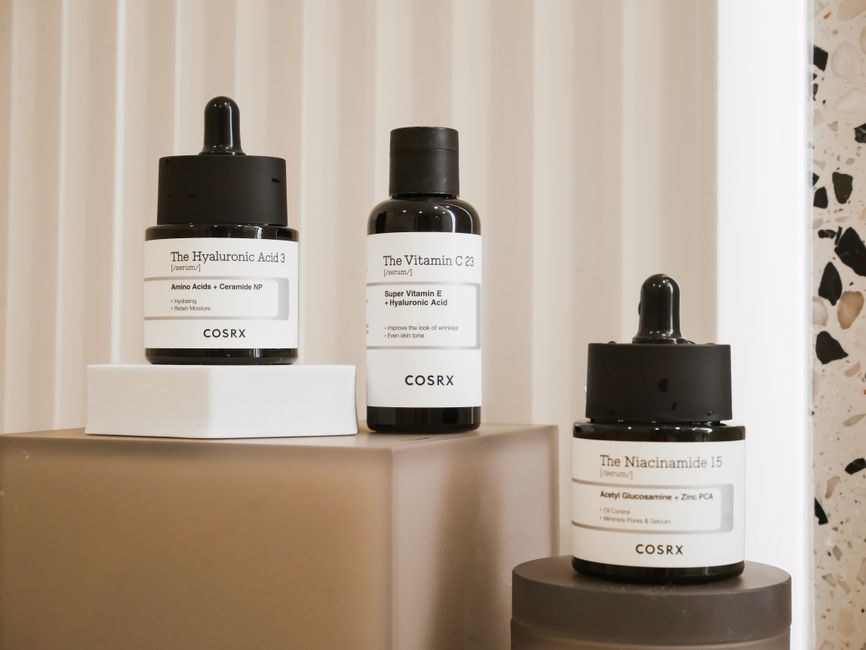
2. Hydrating Serum: While skin is still damp, apply a serum rich in hyaluronic acid. This helps pull moisture into the skin immediately. A few drops are usually enough.
3. Moisturizer: Follow with a moisturizer containing ceramides, squalane, or urea. This seals in the serum and provides a protective layer. For sensitive skin, opt for fragrance-free formulations.
4. Sunscreen: This is non-negotiable, even on cloudy days or if you’re primarily indoors. A broad-spectrum sunscreen with at least SPF 30 protects your skin from UV damage, which can further compromise your skin barrier and lead to dehydration. Many European sunscreens now offer hydrating properties. Consider a hydrating formula if you’re prone to dryness. For instance, brands like La Roche-Posay or Eucerin widely available across Europe offer excellent options.
Evening Routine: Repair and Replenish
1. Double Cleanse (Optional, but Recommended): If you wear makeup (even light makeup) or sunscreen, start with an oil-based cleanser or balm to gently dissolve it, followed by your gentle hydrating cleanser. This ensures a clean canvas without stripping the skin.
2. Treatment Serum (If Needed): If you use active ingredients like retinol, apply it now. However, if your skin is severely dehydrated or compromised, it’s best to pause or reduce the frequency of retinol use until your skin barrier is restored. When reintroducing retinol, pair it with hydrating ingredients to mitigate dryness, a common strategy used by dermatologists in Italy and Spain.
3. Hydrating Serum: Reapply your hyaluronic acid serum to damp skin.
Glowria Beauty Box – Discover Premium Cosmetics at Low Prices
4. Richer Moisturizer or Face Oil: Use a slightly richer moisturizer than in the morning, or layer a few drops of squalane oil over your cream to provide extra emollient support and prevent transepidermal water loss while you sleep.
A note on makeup: When your skin is dehydrated, even your makeup can look patchy or emphasize dryness. Opt for hydrating foundations or tinted moisturizers over matte formulas. Prep your skin thoroughly with hydrating primers. Many popular brands in the US and UK now offer ‘glowy’ or ‘hydrating’ makeup options designed specifically for drier skin types.
FAQ: Your Dehydrated Skin Questions Answered
What’s the difference between dry skin and dehydrated skin?
Dry skin lacks oil, often characterized by flakiness, rough texture, and a persistent feeling of tightness. Dehydrated skin, on the other hand, lacks water, and can affect any skin type (even oily). It often feels tight, looks dull, and may show exaggerated fine lines. The key distinction is a lack of lipids versus a lack of water.
Can drinking more water cure dehydrated skin?
While staying hydrated internally is crucial for overall health, topical hydration is often more effective for directly addressing skin dehydration. Drinking water helps, but it primarily hydrates your organs first. The skin receives water last. A combination of internal hydration and a targeted skincare routine with humectants and emollients provides the best results.
How often should I use a hydrating mask?
For dehydrated skin, using a hydrating mask 2-3 times a week can provide a beneficial boost. Look for masks rich in hyaluronic acid, glycerin, or ceramides. These can deliver an intense dose of moisture and help calm stressed skin, especially after travel or exposure to harsh weather conditions common in parts of Europe.
Is it okay to use retinol if my skin is dehydrated?
It’s generally not recommended to use retinol on severely dehydrated or compromised skin. Retinol can be irritating and drying, which will exacerbate dehydration. Focus on restoring your skin barrier with hydrating and soothing ingredients first. Once your skin feels healthy and solid, you can reintroduce retinol slowly, perhaps by using the ‘sandwich method’ (moisturizer, retinol, moisturizer).
What ingredients should I avoid if my skin is dehydrated?
Avoid harsh foaming cleansers, high concentrations of alcohol (especially denatured alcohol), strong astringents, and excessive physical exfoliation. Also, be cautious with highly fragranced products, especially if you have sensitive skin, as these can be irritating and further compromise your skin barrier.
Key Takeaways for Hydrated, Happy Skin
Navigating the world of skincare when your skin feels dehydrated doesn’t have to be complicated. The core principle is simple: replenish moisture and protect your skin barrier. By focusing on key beauty essentials and skincare beauty ingredients to look for when your skin feels dehydrated, you can improve your complexion.
Remember, consistency is vital. A simple, effective routine tailored to hydration, featuring ingredients like hyaluronic acid, glycerin, ceramides, and squalane, will yield the best results. Always prioritize sunscreen to prevent further damage, and listen to your skin – it will tell you what it needs.
Whether you’re in the bustling cities of the US, the historic towns of the UK, or enjoying the diverse climates of Germany, France, Italy, Spain, or Poland, these principles hold true. Invest in your skin barrier, hydrate diligently, and protect consistently for a radiant, comfortable complexion. Explore more beauty guides on GoTrendlin for further tips and insights.