

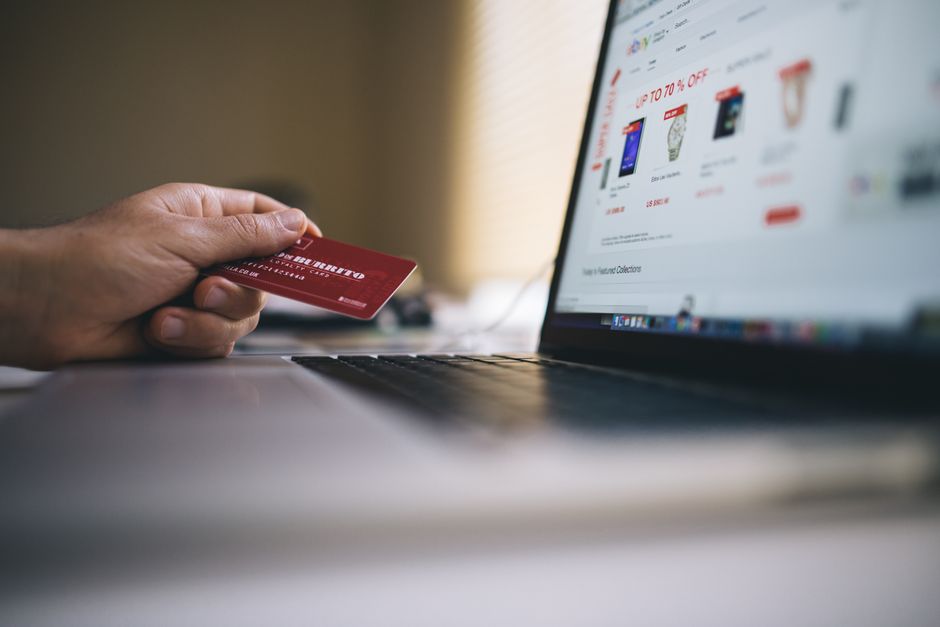
To avoid common online shopping payment scams and protect your personal finance and saving money, prioritize secure payment methods like credit cards or established digital wallets, always verify seller legitimacy, and never click suspicious links. Creating a realistic budget helps manage spending and identify unusual transactions quickly. Regularly checking bank statements and using strong, unique passwords for all online accounts are also critical steps to safeguard your financial well-being against fraudulent activities.
The convenience of online shopping is undeniable, whether you’re in Berlin browsing bespoke furniture or in London ordering groceries. Yet, this digital ease comes with a heightened risk: payment scams. It’s a frustrating reality that while many legitimate businesses thrive online, opportunistic scammers are always looking for ways to exploit unsuspecting shoppers.
It’s not just about losing money on a single transaction; these scams can compromise your entire personal finance and saving money strategy, leading to identity theft or much larger financial losses. For households managing tight budgets, freelancers needing every penny for their next project, or young adults just starting their financial journey, understanding these threats is paramount. The good news is that with a bit of awareness and proactive steps, you can significantly reduce your vulnerability.
This guide aims to equip you with the practical knowledge to navigate online shopping securely, ensuring your hard-earned money stays where it belongs – in your bank account, supporting your saving goals.
Understanding the Landscape of Online Payment Scams
Online payment scams are constantly evolving, adapting to new technologies and consumer behaviors. They often prey on urgency, fear, or the promise of an unbelievable deal. Recognising the common tactics is the first line of defence. From fake websites designed to mirror legitimate retailers to elaborate phishing schemes that steal your login credentials, the methods vary but the goal remains the same: to illicitly gain access to your funds or financial information.
One prevalent scam involves unsolicited emails or text messages, often designed to look like they’re from well-known delivery services or banks. These messages typically contain links that, if clicked, lead to fraudulent sites or download malware onto your device. Another common tactic is the ‘too good to be true’ offer, especially around major sales events like Black Friday in the US or Boxing Day in the UK. Scammers create fake listings for high-demand products at unbelievably low prices, disappearing with your payment once the transaction is complete.
For those in Europe, be mindful of scams impersonating national postal services like Deutsche Post in Germany or La Poste in France, requesting ‘customs fees’ or ‘redelivery charges’ via suspicious links. Similarly, in the US, scams often mimic FedEx or UPS notifications. Understanding these regional variations helps in identifying potential threats more effectively.
Practical Strategies to Protect Your Personal Finance and Saving Money
Protecting your personal finance and saving money from online shopping payment scams isn’t about avoiding online shopping altogether; it’s about shopping smarter. Here are actionable steps you can take:
1. Verify Seller Legitimacy Rigorously
Before making any purchase, especially from an unfamiliar site, take time to research the seller. Check for reviews on independent platforms, look for contact information (a physical address and phone number, not just an email), and verify their social media presence. A legitimate business will have a professional website, clear return policies, and transparent terms and conditions. Be wary of sites with numerous typos, grammatical errors, or pixelated logos, which are often red flags.
Official-Zonky: The Ultimate Guide to Smart Investing in Peer-to-Peer Lending
2. Prioritize Secure Payment Methods
Always opt for payment methods that offer strong buyer protection. Credit cards are generally safer than debit cards because they offer fraud protection and chargeback options, allowing you to dispute unauthorized transactions. Services like PayPal or Apple Pay also add an extra layer of security, as your card details are not directly shared with the merchant. Avoid direct bank transfers, wire transfers, or cryptocurrency for online purchases from unfamiliar sellers, as these methods offer little to no recourse if something goes wrong.
3. Look for Secure Website Indicators (HTTPS)
Before entering any personal or payment information, ensure the website address begins with ‘https://’ and displays a padlock icon in your browser’s address bar. The ‘s’ stands for ‘secure’ and indicates that the connection is encrypted, protecting your data from interception. While not a guarantee against all scams, its absence is a definite warning sign.
4. Create a Realistic Budget and Monitor Your Spending
How can I make a realistic budget and save consistently? Start by tracking all your income and expenses for a month or two. Categorize your spending (e.g., groceries, utilities, entertainment). Then, allocate specific amounts for each category, ensuring your outflow doesn’t exceed your inflow. Be honest about your habits. A realistic budget allows you to set clear saving goals, such as an emergency fund or travel money, and makes it easier to spot unusual transactions that might indicate a scam. Regularly reviewing your budget and bank statements helps you stay on top of your personal finance and identify suspicious activity promptly.
5. Use Strong, Unique Passwords and Two-Factor Authentication
Your password is your first line of defence. Use long, complex passwords that combine letters, numbers, and symbols, and never reuse passwords across different sites. Enable two-factor authentication (2FA) whenever possible. This adds an extra security step, usually requiring a code sent to your phone, making it much harder for scammers to access your accounts even if they steal your password.
6. Be Wary of Unsolicited Offers and Phishing Attempts
Scammers often send emails or messages that look legitimate but are designed to trick you into revealing personal information or clicking malicious links. Always hover over links before clicking to see the actual URL, and never provide personal details in response to unsolicited requests. If in doubt, go directly to the official website of the company in question rather than using links from an email.
7. Stay Informed About Common Scams
Fraud tactics evolve. Stay updated on the latest scam trends by checking consumer protection websites or news outlets. Organizations like the Federal Trade Commission (FTC) in the US, Action Fraud in the UK, or Verbraucherzentrale in Germany regularly publish alerts about new scams. Knowledge is power when it comes to safeguarding your personal finance and saving money.
Comparing Payment Safety Options for Online Shopping
When it comes to online payments, not all methods offer the same level of protection. Understanding the differences is crucial for making informed choices, especially when considering exchange rates for international purchases or managing subscriptions.
| Payment Method | Security Level | Key Features & Benefits | Considerations |
|---|---|---|---|
| Credit Cards | High | Strong fraud protection, chargeback rights, no direct link to bank account. | Interest rates apply if not paid in full; annual fees possible. |
| Debit Cards | Moderate | Direct deduction from bank account, easy to use. | Less fraud protection than credit cards; direct exposure to bank funds. |
| PayPal / Apple Pay / Google Pay | High | Tokenization (merchant doesn’t see card details), buyer protection programs. | Requires account setup; services may have their own terms and conditions. |
| Prepaid Cards | High (limited exposure) | Only spend what you load, no link to bank account, good for budgeting. | May incur activation/reload fees; not all merchants accept them. |
| Bank Transfer / Wire Transfer | Very Low | Direct transfer of funds. | Almost no fraud protection; difficult to recover funds once sent. Avoid for unknown sellers. |
| Cryptocurrency | Very Low | Decentralized, fast transactions. | Irreversible transactions; high volatility; complex for many users; almost no consumer protection. |

Common Mistakes to Avoid When Shopping Online
Even with good intentions, it’s easy to fall into common traps. Avoiding these pitfalls can significantly bolster your online payment safety and help you maintain your personal finance and saving money goals.
Zaplo: The Convenient Way to Take a Loan Online.
A common mistake is assuming that because a website looks legitimate, it actually is. Scammers are adept at replicating brand aesthetics. Always check the URL, domain name, and security certificates. For example, a fake Amazon site might be ‘amaz0n.com’ or ‘amazon-deals.net’. These subtle differences are crucial indicators of a fraudulent site.
Another frequent error is neglecting to review bank and credit card statements regularly. Many people only glance at their statement summary, missing smaller, unauthorized charges that could be test transactions by scammers. Make it a habit to scrutinize every transaction, no matter how small. This vigilance is vital for catching fraudulent activity early, allowing you to dispute charges promptly with your bank or credit card company.
Ignoring security updates on your devices and browsers is also a significant vulnerability. Software updates often include critical security patches that protect against new threats. Running outdated software leaves you exposed to known vulnerabilities that scammers can exploit. Ensure your operating system, web browser, and antivirus software are always up to date.
Finally, falling for urgency tactics is a classic blunder. Scammers often create a sense of urgency, pressuring you to act immediately without thinking. Phrases like ‘limited-time offer,’ ‘only 3 left in stock,’ or ‘account will be suspended if you don’t act now’ are designed to bypass your rational thought process. Take a deep breath, verify the information independently, and never make impulsive financial decisions under pressure.
Frequently Asked Questions About Online Payment Scams
What should I do if I suspect I’ve been scammed?
If you suspect you’ve been scammed, immediately contact your bank or credit card company to report the fraudulent transaction. Change all relevant passwords, especially for financial accounts and email. Report the scam to your local authorities, such as the police, and national consumer protection agencies like the FTC in the US, Action Fraud in the UK, or your nearest Verbraucherzentrale in Germany.
How can I secure my personal information online?
Secure your personal information by using strong, unique passwords for every account and enabling two-factor authentication (2FA) whenever possible. Be cautious about what personal details you share online, especially on social media. Regularly check your credit report for any unauthorized activity and use a reputable antivirus software to protect against malware.
Are digital wallets like Apple Pay safer for online shopping?
Yes, digital wallets like Apple Pay, Google Pay, and PayPal are generally safer for online shopping than directly entering your credit or debit card details. They use tokenization, which means your actual card number is never shared with the merchant. Instead, a unique, encrypted token is used for each transaction, adding an extra layer of security against data breaches.
How do exchange rates affect my online shopping abroad?
Exchange rates significantly impact the final cost of international online purchases. Always check the current exchange rate and be aware of any foreign transaction fees your bank or credit card company might charge. Some online retailers offer to convert the price to your local currency, but their exchange rate might be less favorable than your bank’s. Compare options before completing the purchase.
Can budgeting help me avoid scams?
Yes, creating and sticking to a realistic budget is a powerful tool against scams. By closely monitoring your income and expenses, you become more attuned to your spending patterns. This makes it easier to spot unauthorized or suspicious transactions on your bank statements quickly, allowing you to react promptly and potentially mitigate losses from a scam before it escalates.
Navigating the digital marketplace safely requires ongoing diligence and smart financial habits. By implementing these strategies, you can significantly reduce your risk of becoming a victim of online shopping payment scams, safeguarding your personal finance and continuing to build your saving money goals with confidence. Explore practical money guides on GoTrendlin for more insights into financial well-being.