

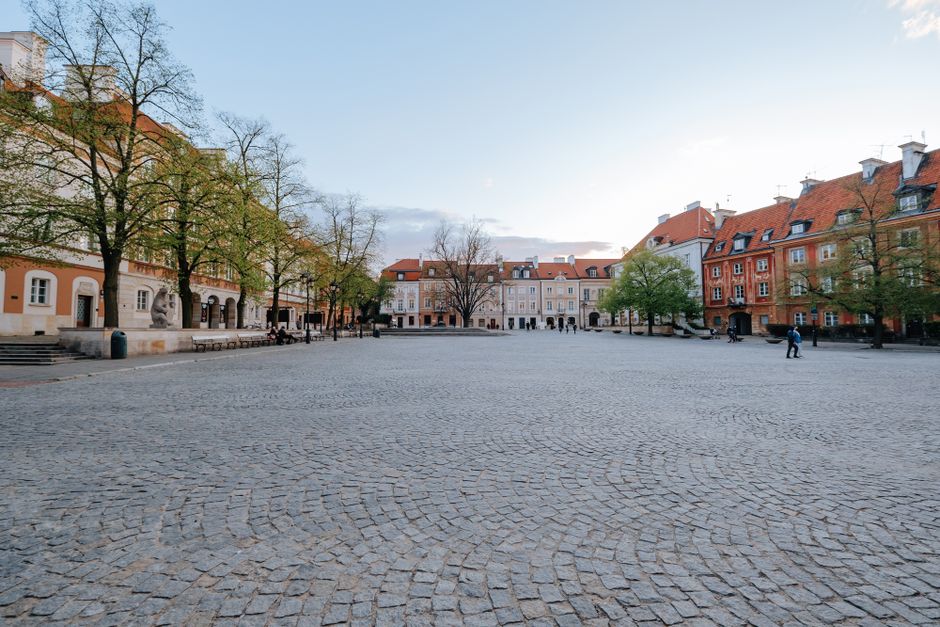
Planning a memorable trip without overspending is entirely achievable by strategically choosing shoulder-season destinations. This period, typically spring (April-May) and autumn (September-October), offers a unique window where tourist numbers dip significantly after peak summer or winter, and before the next surge. This directly translates to lower prices on flights and accommodation, along with a more authentic experience thanks to fewer crowds at popular attractions. Careful research into specific regional weather patterns and local events during these months is key to maximizing both enjoyment and savings.
For many would-be travelers, the allure of iconic destinations like Paris, Rome, or even the Grand Canyon is often tempered by two significant deterrents: the relentless throngs of tourists and the eye-watering prices. Visiting during peak summer or holiday seasons often means jostling for a view, enduring long queues, and paying premium rates for everything from flights and hotels to meals and attractions. It can turn a dream vacation into a stressful, expensive ordeal, leaving you wondering if the experience was truly worth the investment.
This common frustration often leads people to believe that memorable, enriching travel is an exclusive luxury. They might postpone trips indefinitely or settle for less desirable times, missing out on the joy of exploring new cultures and landscapes without breaking the bank. The good news is, there’s a well-kept secret that savvy travelers leverage: the shoulder season. This strategic window allows you to experience the best of your chosen destination while enjoying an affordable travel planning shoulder-season destinations for fewer crowds and lower prices.
By opting for shoulder-season travel, you’re not just saving money; you’re investing in a richer, more authentic experience. Imagine strolling through Venice’s canals without the summer crowds, or hiking in Zion National Park with comfortable temperatures and ample space. This approach opens up a world of possibilities for solo adventurers, romantic couples, and families alike, proving that unforgettable journeys don’t have to come with a hefty price tag or a battle against tourist hordes.
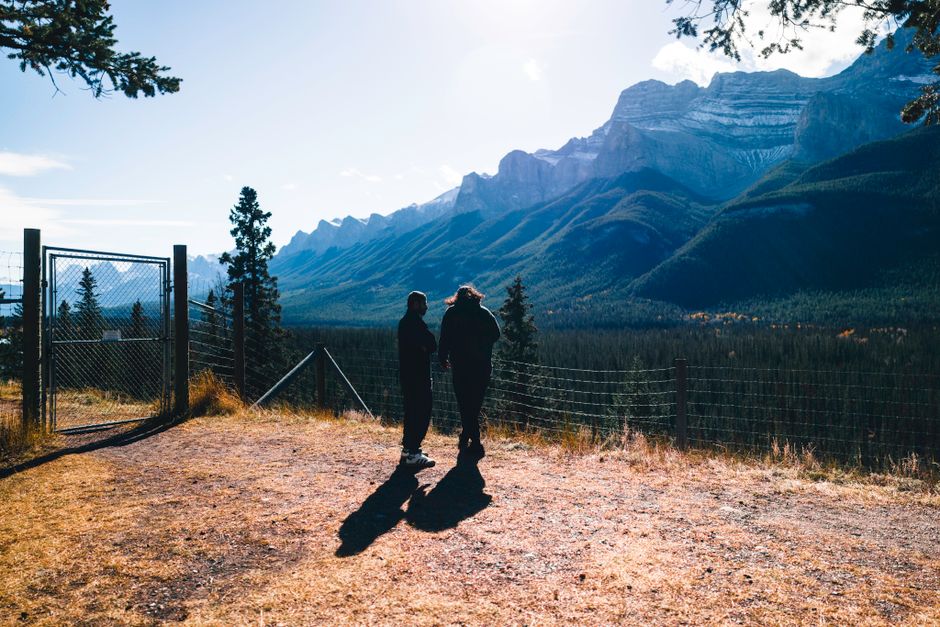
Your Shoulder Season Advantage: Key Highlights for Smart Travel
- Significant Savings: Expect lower prices on flights, accommodation (hotels, vacation rentals), and even some local tours compared to peak season.
- Fewer Crowds: Enjoy popular attractions, museums, and natural wonders with significantly fewer people, allowing for more intimate and authentic experiences.
- Pleasant Weather: Often, shoulder season offers mild, comfortable temperatures – avoiding the extreme heat of summer or the deep chill of winter.
- Authentic Local Experience: Engage more easily with locals, as they’re not overwhelmed by peak tourist volumes. Many local businesses operate at a more relaxed pace.
- Increased Availability: Better chances of securing preferred bookings for restaurants, tours, and accommodations, often with more flexibility.
- Better Photography: Fewer people in your shots, coupled with often beautiful light, make for stunning travel photography.
- Diverse Options: From European city breaks to US national parks, shoulder season is ideal for a wide array of destinations.
Strategic Planning: Crafting Your Affordable Getaway
The core of an affordable travel planning shoulder-season destinations for fewer crowds and lower prices lies in meticulous yet flexible planning. It’s not about winging it entirely, nor is it about rigid adherence to an impossible schedule. It’s about understanding the nuances of the shoulder season and using them to your advantage.
Timing is Everything: When to Go
Defining ‘shoulder season’ isn’t a one-size-fits-all. Generally, it refers to the periods just before and just after the peak tourist months. For most of Europe and North America, this means April-May and September-October. However, specific regions might vary. For instance, some Caribbean destinations have their shoulder season in late spring or early autumn, avoiding hurricane season but also the winter rush.
- Spring (April-May): Europe blossoms, US national parks begin to thaw, and cities like Amsterdam or Florence come alive with fewer tourists than in summer. Temperatures are generally mild, though rain can be a factor.
- Autumn (September-October): Crisp air, vibrant foliage, and comfortable touring temperatures make this a favorite. Think Oktoberfest in Germany (early autumn) or exploring the vineyards of Tuscany.
Always check the specific climate and major local holidays for your chosen destination. A ‘shoulder month’ could still hold a large festival that drives up prices, so a quick search for ‘local events [city] [month]’ is always a good idea.
Flight and Accommodation Hacks
This is where the financial benefits of shoulder season truly shine. Airlines and hotels adjust pricing based on demand, and during these off-peak weeks, demand is naturally lower.
Plan Your Perfect Getaway and Discover the World with Singapore Airlines
- Flights: Be flexible with your travel dates by a few days. Flying mid-week (Tuesday-Thursday) often yields lower fares. Utilize flight comparison websites like Skyscanner or Google Flights and set price alerts. Consider flying into a slightly less popular airport nearby and taking ground transport to your final destination; for example, flying into Frankfurt-Hahn instead of Frankfurt International for a trip to the Moselle Valley.
- Accommodation: You’ll find better deals on everything from luxury hotels in London to charming B&Bs in the French countryside. Look for hotel packages that include breakfast or other amenities. Consider apartment rentals via platforms like Airbnb or Booking.com, especially for longer stays, as they can offer more space and kitchen facilities, saving on dining out.
Embracing the Destination: Beyond the Crowds
With fewer crowds, the opportunity for deeper engagement with your destination significantly increases. You move from being a mere observer to an active participant, savoring experiences that peak-season tourists often miss.
Authentic Experiences and Local Interactions
In peak season, locals often feel overwhelmed by tourism. During the shoulder season, you’ll find them more relaxed and open to interaction. This means more genuine conversations in cafés, more patient assistance in shops, and a truer sense of local life. Take advantage of this by seeking out local markets, less-touristy eateries, and neighborhood festivals that aren’t geared solely toward visitors. In Poland, for example, a visit to Krakow in May or September allows for a more intimate exploration of its historic Jewish Quarter and Wawel Castle without the crush of summer groups.
Exploring Nature and Outdoor Activities
For destinations strong on natural beauty, shoulder season is often the ideal time. The weather is typically milder, making hiking, cycling, or leisurely walks more enjoyable. Think of the breathtaking autumnal colors in New England (US) or the stunning coastal paths of Italy’s Cinque Terre in late spring. National parks like Yosemite or Yellowstone in the US offer spectacular views with less traffic on trails and more availability for lodges and campsites. Always pack layers for varying temperatures and check local park advisories.
Packing Smart and Staying Safe
Practical considerations are paramount for any trip, but especially when you’re balancing budget with a comfortable experience during a less predictable season. Thoughtful preparation ensures a smooth and enjoyable journey.
Packing for Variable Weather
The shoulder season, by its nature, can have changeable weather. While generally mild, you might encounter cooler mornings, warm afternoons, and sudden showers. The key is layering. Pack versatile items like long-sleeved shirts, sweaters, a waterproof jacket, and comfortable walking shoes. A compact umbrella is also a wise addition. Consider a reusable water bottle and a small backpack for daily excursions. For a European city break, comfortable yet stylish shoes are a must, as you’ll likely do a lot of walking.
Travel Safety and Insurance Essentials
Regardless of when or where you travel, travel safety should always be a priority. Research your destination’s local customs and any current travel advisories. Keep valuables secure, be aware of your surroundings, especially in crowded areas, and avoid displaying overt signs of wealth. For peace of mind, comprehensive travel insurance is non-negotiable. It covers unexpected events like medical emergencies, trip cancellations, lost luggage, and more. Companies like World Nomads or Allianz Travel offer various plans, so compare options to find one that fits your needs and budget. Ensure your policy covers activities you plan to do, like hiking or specific sports.
Top Shoulder-Season Destinations: Europe, US, and Beyond
Ready to put these strategies into action? Here are some fantastic destinations that truly shine during the shoulder season, offering an affordable travel planning shoulder-season destinations for fewer crowds and lower prices.
European City Breaks and Cultural Immersion
- Rome, Italy (April, May, September, October): Experience the Colosseum, Vatican City, and Roman Forum without the scorching summer heat or oppressive crowds. Enjoy al fresco dining in pleasant weather.
- Barcelona, Spain (April, May, September, October): Explore Gaudi’s masterpieces, stroll through the Gothic Quarter, and relax on city beaches before or after the intense summer rush. The weather is perfect for sightseeing.
- Lisbon, Portugal (April, May, September, October): Discover its charming hilly streets, historic trams, and stunning viewpoints with milder temperatures and fewer tourists. Enjoy delicious seafood and Fado music.
- Paris, France (April, May, September, October): See the Eiffel Tower, Louvre, and Notre Dame without the overwhelming crowds. Spring brings blossoms, while autumn offers beautiful foliage along the Seine.
- Berlin, Germany (April, May, September, October): Dive into history at the Brandenburg Gate, Museum Island, and remnants of the Berlin Wall. The city offers a vibrant cultural scene with comfortable temperatures.
US Travel: National Parks and Urban Exploration
- National Parks (Grand Canyon, Zion, Yosemite): Late spring (April-May) and early fall (September-October) offer ideal hiking weather, fewer vehicle restrictions, and more available lodging. The landscapes are stunning with wildflowers or autumn colors.
- New Orleans, USA (March-May, October-November): Experience the unique culture, music, and food of the French Quarter with pleasant temperatures, avoiding the intense summer humidity and the peak Mardi Gras season.
- Charleston, South Carolina, USA (March-May, September-November): Explore historic architecture, beautiful gardens, and delicious low-country cuisine in delightful weather, sidestepping the summer heat and crowds.
Beyond: Unique Regional Picks
- Kyoto, Japan (Late March/Early April for cherry blossoms, Late October/Early November for autumn leaves): While certain weeks can be busy, the shoulder season offers unparalleled beauty with generally pleasant weather and fewer international tourists than peak summer. Requires careful planning around specific blossom/foliage forecasts.
- Patagonia, Chile/Argentina (November, March): Enjoy incredible hiking and glacier viewing with fewer people than peak summer (December-February) and more predictable weather than the colder, windier winter months.
FAQ: Your Shoulder-Season Travel Questions Answered
What exactly is shoulder season for travel?
Shoulder season refers to the travel periods immediately before and after the peak tourist season in a given destination. For many popular global spots, this typically falls in spring (April-May) and autumn (September-October). It’s characterized by a noticeable decrease in tourist numbers and, consequently, lower prices for flights and accommodations.
Discover New Destinations and Enjoy Memorable Travel with Singapore Airlines
How much money can I really save by traveling during the shoulder season?
Savings can be substantial. For flights, you might see reductions of 20-40% or more compared to peak season, especially if you’re flexible with dates. Accommodation can also be 15-30% cheaper. Beyond core costs, fewer crowds mean you might spend less on expedited entry passes and find better deals on local tours and dining.
Are all shoulder-season destinations suitable for families with children?
Many shoulder-season destinations are excellent for families, as fewer crowds make sightseeing easier and less stressful for everyone. Attractions are less busy, and you often get more personalized service. However, check school holiday schedules in your target country, as local breaks might temporarily increase crowds and prices even during what’s generally considered shoulder season.
What are the main downsides to shoulder-season travel?
The primary downside can be less predictable weather, with a higher chance of rain or cooler temperatures than peak summer. Some seasonal attractions or services might have reduced hours or be closed entirely, especially towards the very beginning or end of the shoulder period. Always verify specific operating times for essential sites.
Is travel insurance still necessary for shoulder-season trips?
Absolutely. Travel insurance remains crucial, regardless of the season. While you might avoid some of the risks associated with extreme heat or dense crowds, unforeseen circumstances like flight cancellations due to early/late season weather, medical emergencies, or lost luggage can happen at any time. Comprehensive insurance provides essential financial protection and peace of mind.
How far in advance should I book for shoulder-season travel?
Even with fewer crowds, booking 2-4 months in advance is a good practice, especially for flights and popular accommodations. This allows you to snag the best deals and secure your preferred options. For very popular European city breaks or specific US national park lodges, booking 6 months out might still be beneficial, particularly if your dates aren’t super flexible.
Key Takeaways: Maximize Your Next Adventure
Embracing the shoulder season is perhaps the single most effective strategy for an affordable travel planning shoulder-season destinations for fewer crowds and lower prices. It’s not just about pinching pennies; it’s about enriching your travel experience by sidestepping the chaos and cost of peak times. By intelligently timing your trips, you open yourself up to a more genuine connection with your chosen destination, whether it’s the historic grandeur of Europe or the natural splendor of the US.
Remember, the magic lies in the details: researching specific regional weather, remaining flexible with your travel dates, and always prioritizing travel safety and securing solid travel insurance. From enchanting Europe city breaks to serene escapes in nature, the shoulder season promises an unforgettable journey that’s both manageable for your budget and deeply rewarding.
Ready to turn your travel dreams into reality without the typical expenses and crowds? Explore more practical and inspiring travel guides and tips to plan your next great adventure. Explore more travel guides on GoTrendlin.