

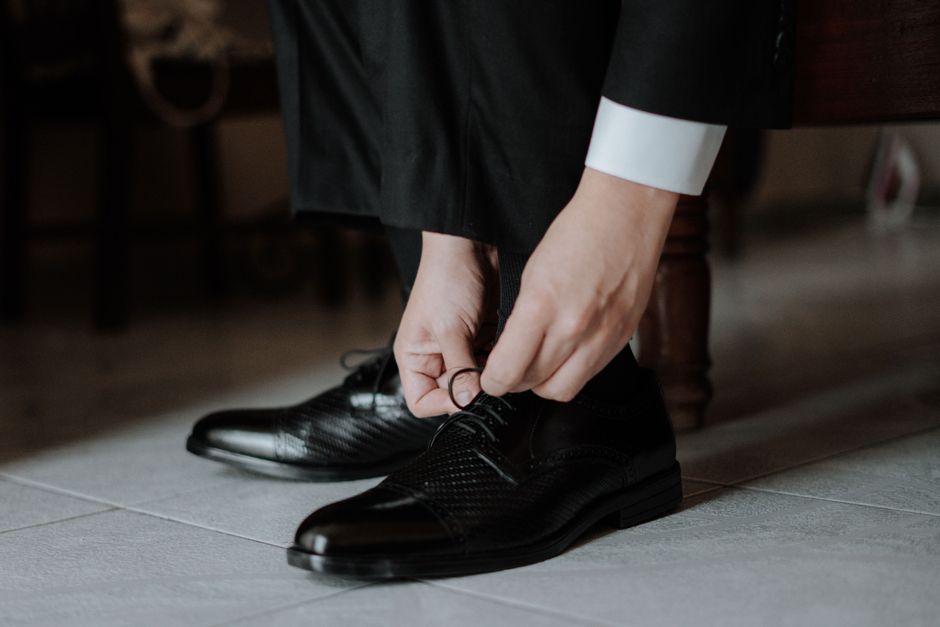
For men seeking the most useful wardrobe essentials for the office, investing in high-quality, versatile office shoes is paramount. The ideal pair balances professional aesthetics with all-day comfort, supporting long hours and varied professional settings. Look for classic styles like Oxfords, Derbies, and Loafers in durable leathers, focusing on proper fit and construction. These foundational pieces not only complete a sophisticated look but also provide the comfort necessary for demanding schedules, ensuring you’re prepared for any business occasion whether in New York, Berlin, or Paris.
Stepping into the professional world often means long hours, varied commutes, and the need to always look your best. For many men, the right pair of office shoes isn’t just an accessory; it’s a foundational element of their daily comfort and overall presentation. A well-chosen shoe can make the difference between a productive day and one plagued by discomfort.
The challenge, however, lies in navigating the vast array of options available while balancing the twin demands of comfort and style. It’s a common observation that many professionals prioritize aesthetics over how a shoe feels after several hours, only to regret it by the afternoon. This guide aims to simplify that choice, focusing on practical advice for selecting men’s office shoes that truly deliver on both fronts.
The Foundation of Professional Footwear: Understanding Your Needs
Before diving into specific styles, it’s crucial to understand what defines a truly great pair of men’s office shoes. It’s more than just a brand name or a price tag. The best shoes for professional settings are those that complement your existing wardrobe, suit your daily activities, and provide lasting comfort without compromising on a polished look.
For most professionals, this means a blend of formality, durability, and ergonomic design. Whether you’re standing for presentations in a busy German convention center, walking between meetings in a sprawling US corporate campus, or commuting on public transport in London, your shoes need to be up to the task. Considering your typical office dress code – from formal business to smart casual – is the first step in narrowing down your options.
Choosing the Perfect Men’s Office Shoes: A Practical Guide
Selecting the ideal men’s office shoes involves a careful consideration of material, construction, style, and fit. Here’s a breakdown of how to approach this important decision:
1. Prioritize Quality Materials
For men’s office shoes, full-grain leather is the gold standard. It’s durable, breathable, and molds to your foot over time, offering superior comfort and longevity. Calfskin is a popular choice for its fine grain and supple feel. Suede can work for more casual office environments, especially in European cities like Milan or Paris, but requires more maintenance. Avoid corrected-grain or ‘genuine leather’ if possible, as these are often lower quality and won’t age as gracefully.
2. Understand Construction Methods
The way a shoe is constructed significantly impacts its durability and comfort. A Goodyear welt, for example, is a traditional construction method where the upper, insole, and welt are stitched together, and then the outsole is stitched to the welt. This allows for easy resoling, extending the life of the shoe significantly. Blake stitching is another common method, offering a sleeker profile but generally less durable than a Goodyear welt for heavy wear. Knowing the construction helps you gauge value and longevity.
Minimalist Men’s Wardrobe Essentials That Work Year-Round
3. Match Style to Your Workplace
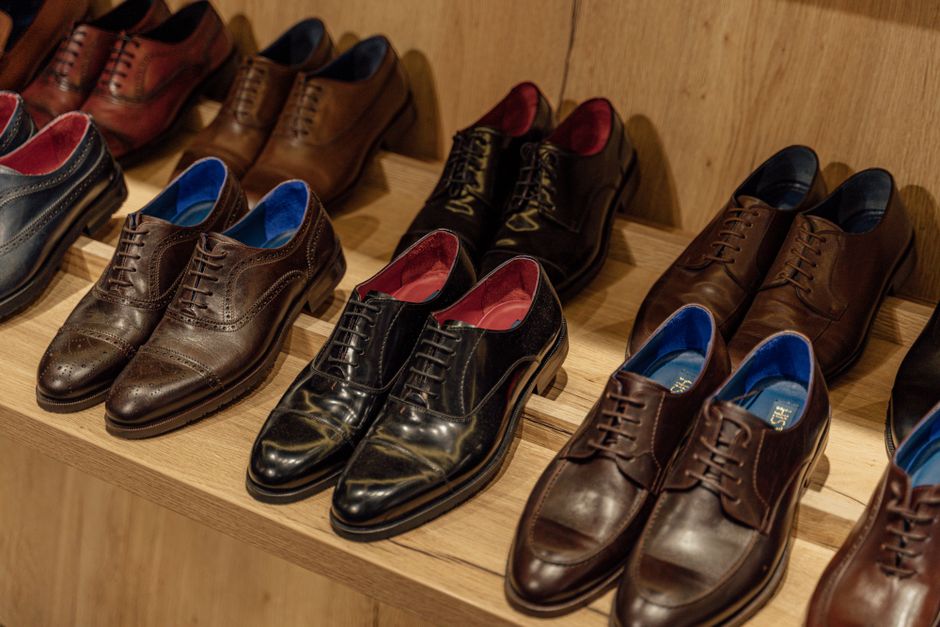
Your office’s dress code dictates the appropriate footwear. For a formal business environment, classic Oxfords (cap-toe or plain-toe) are indispensable. Derbies offer a slightly more relaxed but still professional look, suitable for business casual. Loafers, particularly classic penny or tassel loafers, fit well into a smart casual capsule wardrobe. Monk straps sit somewhere between Derbies and Oxfords in formality, offering a distinctive style. Keep color conservative: black, dark brown, or oxblood are most versatile.
4. Focus on Proper Fit and Support
This is arguably the most critical aspect. Ill-fitting shoes lead to discomfort, fatigue, and even long-term foot problems. Always try shoes on at the end of the day when your feet are slightly swollen. Ensure there’s about a thumb’s width of space between your longest toe and the end of the shoe. The ball of your foot should align with the widest part of the shoe. Pay attention to arch support; for those with specific foot needs, removable insoles that can be replaced with custom orthotics are a major advantage.
5. Consider Versatility for a Capsule Wardrobe
When building a menswear essentials collection, especially for a capsule wardrobe, choose men’s office shoes that can span multiple outfits and occasions. A pair of dark brown Derbies, for example, can be dressed up with a suit or down with chinos and a blazer. Black Oxfords are non-negotiable for formal settings but can also work with dark grey trousers. Prioritizing versatility means fewer pairs of shoes, but each one gets more wear and offers greater utility.
6. Think About Climate and Commute
If you’re in a rainy climate, like parts of the UK or Germany, consider shoes with rubber soles for better grip and water resistance, or ensure your leather soles are treated. For those with long commutes, a slightly more cushioned sole or a boot-style shoe might offer better support and protection. The demands of your daily routine should directly influence your shoe choice.
Comparing Popular Men’s Office Shoe Styles
Understanding the nuances between popular styles helps in making an informed decision for your professional wardrobe.
| Shoe Style | Formality | Key Features | Best For |
|---|---|---|---|
| Oxford | Formal | Closed lacing system, sleek profile, often cap-toe or plain-toe. | Business formal, interviews, traditional office settings (e.g., London’s financial district, New York City law firms). |
| Derby | Business Casual | Open lacing system, slightly more relaxed silhouette than Oxfords. | Smart casual, business casual, versatile for office and semi-formal events. |
| Loafer | Smart Casual | Slip-on style, no laces, various types (penny, tassel, horsebit). | Business casual, smart casual, relaxed professional environments (e.g., creative agencies, summer in Italy). |
| Monk Strap | Business Casual to Formal | Buckle closure instead of laces, single or double strap. | Adds a distinctive touch to business casual or slightly more formal attire. |
Common Mistakes to Avoid When Choosing Men’s Office Shoes
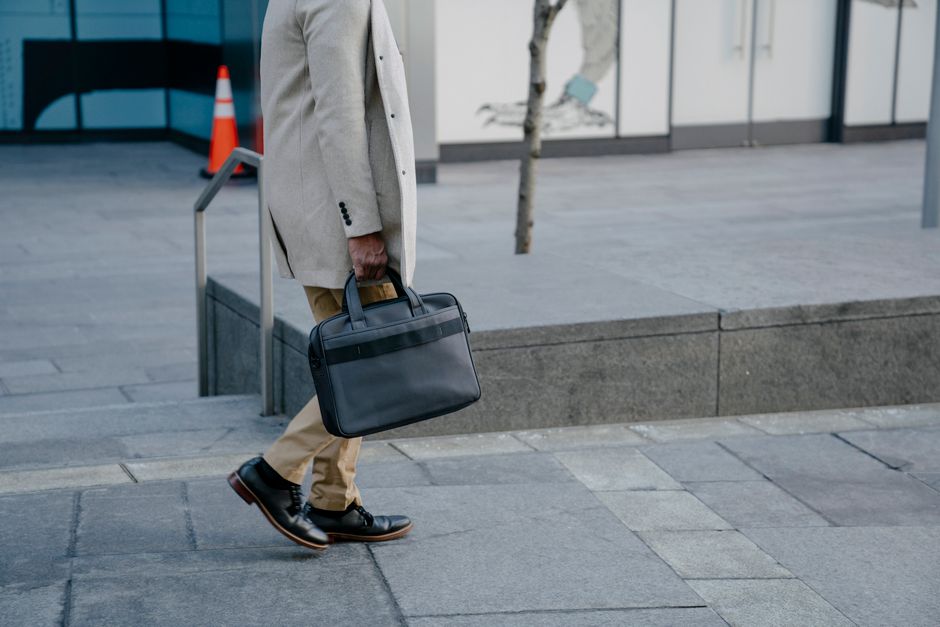
Even with the best intentions, it’s easy to make missteps when selecting footwear for the office. Being aware of these common errors can save you time, money, and discomfort.
A common mistake is buying shoes purely based on current trends without considering their long-term applicability or comfort. While a specific style might be fashionable in Paris or Berlin for a season, if it doesn’t align with your office’s dress code or your personal comfort needs, it’s a poor investment. Stick to timeless styles that have proven their worth.
Men’s Capsule Wardrobe for 2026: A Practical Starter Guide
Another frequent oversight is neglecting proper shoe care. Even the highest quality leather shoes will degrade quickly without regular cleaning, conditioning, and polishing. Investing in good shoe trees to absorb moisture and maintain shape, along with quality polishes and brushes, is just as important as the initial purchase. This is particularly true for men’s fashion enthusiasts who appreciate the longevity of sustainable fashion choices.
Finally, many men underestimate the importance of rotating their shoes. Wearing the same pair every day doesn’t allow the leather to dry out properly, shortening its lifespan and making it less comfortable. Having at least two or three quality pairs of men’s office shoes that you can alternate significantly extends their life and keeps them looking their best. This approach is central to building a functional and enduring capsule wardrobe.
FAQ: Men’s Office Shoes
What are the most useful men’s wardrobe essentials?
Beyond quality men’s office shoes, essential menswear items include well-fitting dress shirts (white, light blue), versatile trousers (navy, charcoal grey), a classic navy blazer, a high-quality leather belt, and dark wash jeans for smart casual settings. A well-constructed suit in navy or charcoal is also crucial for formal occasions.
Can I wear boots as men’s office shoes?
Yes, certain boots can be appropriate for the office, especially in regions with colder climates or more relaxed dress codes. Chelsea boots or sleek lace-up dress boots in leather can work well with smart casual or business casual attire. Ensure they are well-polished and complement your outfit, avoiding overly rugged or casual styles.
How often should I replace my men’s office shoes?
The lifespan of men’s office shoes varies greatly depending on quality, construction, frequency of wear, and care. High-quality Goodyear-welted shoes, with proper rotation and maintenance (including resoling when needed), can last 10-20 years or more. Lower-quality shoes might only last 1-3 years before needing replacement.
What’s the difference between an Oxford and a Derby shoe?
The primary difference lies in the lacing system. Oxfords feature a ‘closed’ lacing system where the shoelace eyelets are sewn underneath the vamp, creating a sleek, more formal look. Derbies have an ‘open’ lacing system, with the eyelet tabs sewn on top of the vamp, making them slightly less formal and easier to put on.
Are loafers appropriate for all office environments?
Loafers are generally suitable for smart casual and business casual environments. Penny and tassel loafers in dark leather are the most universally accepted. However, in very formal or traditional business settings (e.g., investment banking in Frankfurt), classic lace-ups like Oxfords are usually preferred. Always assess your specific workplace culture.
How do I care for my leather men’s office shoes?
Regular care is essential. This includes cleaning off dirt with a damp cloth, conditioning the leather every few weeks to prevent drying and cracking, and polishing regularly to maintain shine and protection. Always use shoe trees to absorb moisture and preserve the shoe’s shape between wears.
Choosing the right men’s office shoes is an investment in your comfort, confidence, and professional image. By prioritizing quality, understanding styles, and ensuring a proper fit, you can build a collection that serves you well for years to come, no matter where your career takes you. For more insights into refining your professional style, explore more men’s guides on GoTrendlin.