

To choose and set up a safe VPN, prioritize providers with strong encryption (AES-256), a strict no-logs policy, and a kill switch feature. After subscribing, download the VPN app from the official website or your device’s app store. Install it, log in with your credentials, and then select a server location. For maximum protection on public Wi-Fi, connect to a server before accessing any sensitive information. Look for VPNs with good reviews for speed and reliability, especially those offering dedicated servers in regions like the US, UK, Germany, or France, for optimal local performance and content access while traveling.
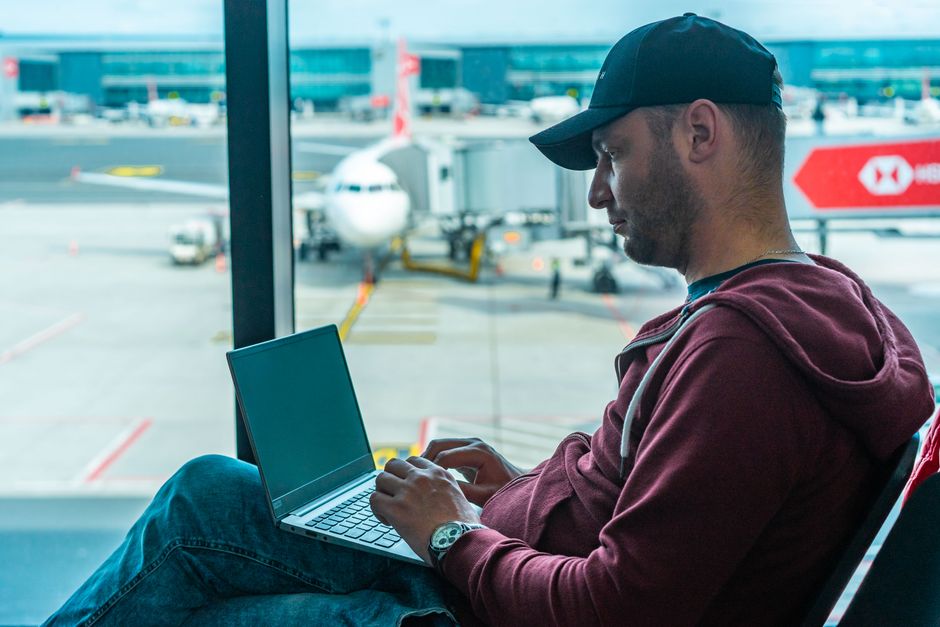
Imagine you’ve just landed after a long flight, eager to check emails, book a rental car, or simply browse the news. You connect to the airport’s ‘free Wi-Fi’ – it’s convenient, readily available, and seems harmless. Or perhaps you’re settled in your hotel room, using their network to log into your banking app or catch up on work before a big meeting. These seemingly innocent acts of connectivity, particularly in high-traffic public spaces like airports and hotels across Europe, North America, and beyond, often expose your personal data to significant risks.
Public Wi-Fi networks, while incredibly convenient, are notoriously insecure. They are often unencrypted, making it easy for malicious actors – from opportunistic snoops to sophisticated hackers – to intercept your data. Think about it: every email, every password, every credit card detail you enter could potentially be visible to someone else on the same network. This vulnerability isn’t just a hypothetical threat; it’s a daily reality for millions of travelers worldwide, from London to New York, and from Berlin to Paris.
This is precisely where understanding the best VPN for privacy and travel how a VPN helps protect your data on hotel and airport Wi-Fi becomes not just a recommendation, but a critical necessity. A Virtual Private Network (VPN) acts as your personal, encrypted tunnel through the internet, shielding your online activities from prying eyes, even on the most exposed networks. It’s an indispensable tool for anyone who values their digital security while on the go, whether you’re a remote worker connecting from a hotel in Rome or a tourist checking travel details at Frankfurt Airport.
The Inherent Dangers of Public Wi-Fi Networks
Public Wi-Fi networks are a double-edged sword: convenient but fundamentally insecure. Unlike your home network, which typically has a password and solid encryption, public networks are often open or use weak security protocols. This openness is what makes them so dangerous, as it allows for several common attack vectors that put your data at risk.
One of the most prevalent threats is the Man-in-the-Middle (MITM) attack. In an MITM attack, a cybercriminal positions themselves between your device and the Wi-Fi hotspot, intercepting all data traffic. They can then read, modify, or inject malicious code into your communications without your knowledge. Imagine checking your bank balance on the airport Wi-Fi at Charles de Gaulle Airport in Paris, only for a hacker to capture your login credentials. This is a very real scenario.
Another common tactic is the creation of fake Wi-Fi hotspots. These look legitimate, often mimicking the name of the airport, hotel, or café (e.g., ‘Airport_Free_Wi-Fi’ or ‘Hotel_Guest’). When you connect, you’re actually linking to a hacker’s device, giving them complete control over your internet traffic. This is particularly prevalent in busy travel hubs, making it crucial to be vigilant.
Beyond direct interception, public Wi-Fi also exposes you to malware injection and eavesdropping. Without encryption, your browsing history, downloaded files, and even your real IP address can be monitored. This information can be used for targeted phishing attacks, identity theft, or simply to track your online behavior for nefarious purposes. Countries like Germany and the UK have strict data protection laws, but these laws apply to the data *holders*, not necessarily to the actions of individual hackers on open networks. Therefore, personal responsibility for security remains paramount.

When you’re trying to figure out how to choose and set up a safe VPN, it boils down to a few key criteria. The best VPN for privacy and travel should offer solid encryption, typically AES-256, which is the same standard used by governments and militaries. It also needs a strict no-logs policy, meaning the provider doesn’t record your online activities. A kill switch feature is also essential; it automatically disconnects your internet if the VPN connection drops, preventing any accidental data leaks. For travelers, look for VPNs with a wide server network, offering options in major hubs like the US, UK, Germany, France, Italy, Spain, and Poland, to ensure reliable connections and access to local content.
How a VPN Secures Your Connection on Public Networks
A VPN, or Virtual Private Network, creates a secure, encrypted tunnel between your device and a VPN server. This tunnel shields your online activities from external surveillance, even when you’re connected to an insecure public Wi-Fi network. Here’s a breakdown of how it works and why it’s the best VPN for privacy and travel:
Exploring the Features that Make NordVPN the Best VPN Service of 2025
-
Data Encryption
When you connect to a VPN, all your internet traffic is immediately encrypted. This means your data is scrambled into an unreadable format before it leaves your device. If a hacker intercepts your data on an airport Wi-Fi network in Madrid or a hotel in New York, all they’ll see is garbled text, rendering your sensitive information – passwords, banking details, personal messages – useless to them. This encryption is the cornerstone of VPN security, making it incredibly difficult for anyone to eavesdrop on your connection.
-
IP Address Masking
Your IP address is like your device’s unique identifier on the internet, revealing your approximate geographical location. When you use a VPN, your actual IP address is replaced with the IP address of the VPN server you connect to. For example, if you’re in Rome but connect to a server in London, websites and services will see you as browsing from London. This masking enhances your anonymity and prevents third parties, including internet service providers and website trackers, from tracing your online activities back to your physical location. It’s particularly useful for bypassing geo-restrictions for streaming services or accessing region-specific content from back home.
-
Protection Against Malicious Hotspots
As discussed, fake Wi-Fi hotspots are a significant threat. Even if you accidentally connect to one, a VPN encrypts your traffic before it reaches the malicious hotspot. This means the attacker controlling the fake network still cannot read your data. While it’s always best to be cautious about which networks you join, a VPN provides a crucial layer of defense against these sophisticated phishing attempts.
-
Bypassing Censorship and Geo-Restrictions
Beyond security, a VPN offers practical benefits for travelers. Many countries, including some popular tourist destinations, impose internet censorship or restrict access to certain websites and services. By connecting to a VPN server in another country (e.g., a US server to access American streaming libraries), you can bypass these restrictions. This is also invaluable for accessing content from your home country, like banking services or news sites, that might be geo-blocked when you’re abroad in places like Italy or Spain.
-
Enhanced Remote Work Security
For remote workers, a VPN is indispensable. Connecting to company resources or handling sensitive client data on public Wi-Fi is a major security risk. A VPN ensures that your professional communications and access to corporate networks remain secure, whether you’re working from a café in Barcelona or a co-working space in Warsaw. Many corporations even mandate VPN use for remote employees to safeguard proprietary information.
-
Preventing ISP Throttling
Sometimes, your Internet Service Provider (ISP) might intentionally slow down your internet speed, a practice known as throttling, especially if you’re engaging in data-intensive activities like streaming or large downloads. Because a VPN encrypts your traffic, your ISP can’t see what you’re doing online, making it harder for them to selectively throttle your connection. This can lead to a more consistent and potentially faster internet experience, which is a major plus when you’re trying to download work files or stream your favorite show from a hotel in Germany.
Choosing the Best VPN for Your Travels: Key Considerations
Selecting the right VPN requires looking beyond flashy marketing. For travelers, the focus should always be on reliability, strong security features, and a user-friendly experience across multiple devices. Here’s a comparison of what to consider:
| Feature | Consideration for Travelers | Why it Matters |
|---|---|---|
| Encryption Standard | AES-256 (military-grade) | Essential for keeping your data secure and unreadable on public Wi-Fi. |
| No-Logs Policy | Strict and independently audited | Ensures the VPN provider doesn’t store your online activities, protecting your privacy. |
| Kill Switch | Automatic internet disconnection if VPN drops | Prevents accidental data leaks if your VPN connection becomes unstable. |
| Server Network | Wide global coverage, including target GEOs (US, UK, DE, FR, IT, ES, PL) | Crucial for bypassing geo-restrictions, maintaining good speeds, and accessing local content while abroad. |
| Device Support | Cross-platform compatibility (Windows, macOS, iOS, Android) | Allows you to protect all your devices, from laptops to smartphones, with one subscription. |
| Speed and Performance | High-speed servers, minimal slowdown | Important for streaming, video calls, and large downloads without frustrating lag, especially when far from home servers. |
| Customer Support | 24/7 live chat or email support | Handy for troubleshooting connectivity issues or setting up the VPN in an unfamiliar environment. |
In practice, while many VPNs promise security, not all deliver equally. Some free VPNs, for instance, might log your data or offer slower speeds, compromising the very privacy you seek. For a truly secure and reliable experience, investing in a reputable paid VPN service is almost always the better choice for travelers and remote workers who rely on public Wi-Fi.
Common Mistakes to Avoid When Using a VPN Abroad
Even with the best VPN for privacy and travel, users can inadvertently compromise their security or experience frustration if they don’t use it correctly. Understanding these pitfalls can help ensure a smoother, more secure journey.
VPN vs. Password Manager: Which Privacy Tool Should You Get First?
A common mistake is forgetting to activate the VPN before connecting to public Wi-Fi. Many users connect to the hotel or airport network first, then remember to turn on their VPN. In those critical seconds or minutes before the VPN is active, your device’s traffic is unencrypted and vulnerable. Always make it a habit to launch and connect your VPN application *before* you access any public Wi-Fi network, whether at Heathrow Airport, Grand Central Station, or a café in Barcelona.
Another frequent error is choosing an unreliable or free VPN service. While the allure of ‘free’ is strong, many free VPNs have significant limitations. They might impose data caps, suffer from slow speeds, or, more critically, lack strong encryption or even log and sell your data. This defeats the entire purpose of using a VPN for privacy. When your data security is on the line, especially with sensitive information for remote work or personal finances, a reputable paid VPN is a non-negotiable investment.
Users often fail to utilize the VPN’s kill switch feature. A kill switch is a critical security measure that automatically disconnects your internet if your VPN connection drops unexpectedly. Without it, your real IP address and unencrypted traffic could momentarily be exposed if your VPN disconnects due to network instability, which is common on public Wi-Fi. Always ensure this feature is enabled in your VPN settings.
Finally, connecting to the closest or ‘fastest’ server without considering privacy or specific content needs can be a mistake. While a closer server often means better speed, if you need to access content specific to a certain country (e.g., German streaming services or a banking portal in the US), you must choose a server in that region. Similarly, if you’re in a country with heavy surveillance, connecting to a server in a privacy-friendly nation like Switzerland or Iceland might be a better choice for enhanced anonymity, even if it’s not the closest geographical option.
FAQ: Your Questions About VPNs and Travel Security Answered
Do I really need a VPN for hotel Wi-Fi?
Yes, you absolutely need a VPN for hotel Wi-Fi. Hotel networks are essentially public and shared, making them vulnerable to eavesdropping and data interception by other guests or malicious actors. A VPN encrypts your traffic, safeguarding your personal information like passwords and financial data from prying eyes.
Can a VPN slow down my internet speed?
A VPN can slightly reduce internet speed due to the encryption process and the extra distance your data travels to the VPN server. However, reputable VPNs use optimized servers and protocols to minimize this impact. For most users, especially with modern VPNs and good broadband, the speed difference is often negligible and a worthwhile trade-off for enhanced security.
Is it legal to use a VPN for travel?
In most countries, including the US, UK, Germany, France, Italy, Spain, and Poland, using a VPN is perfectly legal. However, a few countries (e.g., China, Russia) have restrictions or outright bans on VPNs. It’s always wise to check the local laws of your destination before traveling. Using a VPN for illegal activities remains illegal everywhere.
How many devices can I protect with one VPN subscription?
The number of devices you can protect with a single VPN subscription varies by provider. Most premium VPN services offer support for 5 to 10 simultaneous connections, covering your laptop, smartphone, and tablet. Some providers offer even more, which is ideal for families or individuals with multiple gadgets while traveling.
Can I stream Netflix or other services with a VPN?
Yes, one of the popular uses for a VPN is accessing geo-restricted streaming content. By connecting to a VPN server in a different country, you can access content libraries from that region (e.g., US Netflix from Europe). However, streaming services are increasingly adept at detecting and blocking VPNs, so choosing a VPN known for its streaming capabilities is key.
In an increasingly connected world, protecting your digital life while traveling is no longer an option, but a necessity. The best VPN for privacy and travel how a VPN helps protect your data on hotel and airport Wi-Fi is by providing an indispensable layer of security and anonymity. Don’t leave your sensitive information exposed on public networks. Stay informed and secure by exploring more vpn guides on GoTrendlin.