

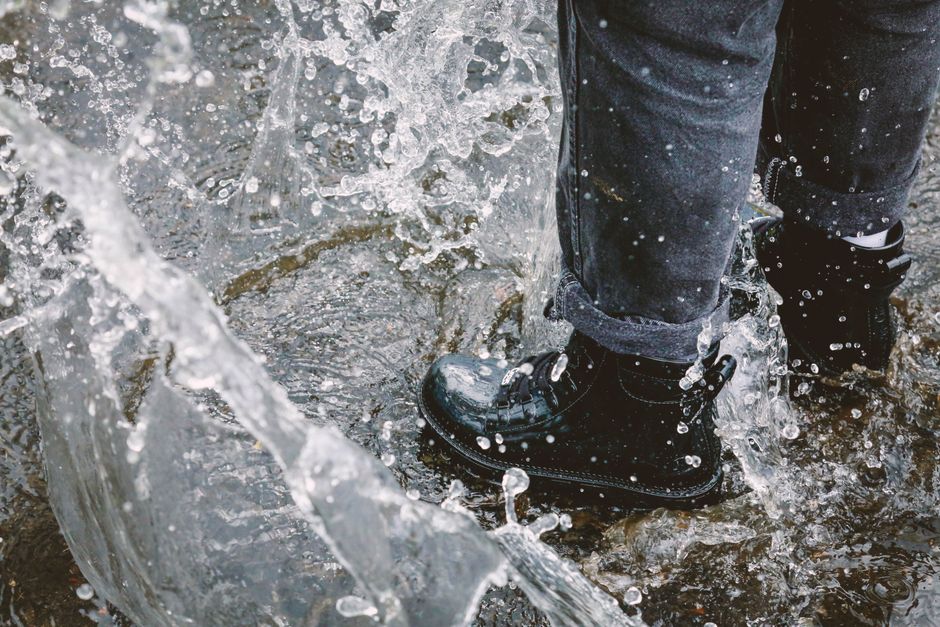
Choosing comfortable footwear waterproof footwear for rainy commutes involves prioritizing a few key features: reliable waterproofing, excellent grip for slick surfaces, and adequate arch support for extended walking. Look for materials like Gore-Tex or similar breathable membranes, durable rubber outsoles with multi-directional tread patterns, and cushioned insoles. The fit should be snug but not tight, allowing for thicker socks without pinching. This combination ensures your feet remain dry, comfortable, and stable, making your daily travels much more pleasant, regardless of the weather.
There’s a particular kind of dread that sets in when you step out the door on a grey, drizzly morning, only to feel that first seep of cold water into your shoe. It’s a small thing, perhaps, but enough to set a sour tone for the entire day. For anyone who commutes, travels, or simply walks regularly, the battle against wet feet in rainy weather is a perpetual one. It’s not just about staying dry; it’s about maintaining comfort, preventing slips, and ensuring your footwear can handle the daily grind.
Whether you’re dashing for the S-Bahn in Munich, navigating the wet pavements of Paris, or simply walking the kids to school in Manchester, having the right gear makes all the difference. Comfortable footwear waterproof footwear for rainy commutes isn’t a luxury; it’s a necessity for practical daily living across the US, UK, Germany, France, Italy, Spain, and Poland, where unpredictable weather is a given.
Why Waterproof Footwear is Essential for Your Daily Journey
For many, a commute isn’t just a short hop; it involves significant walking, often through diverse urban landscapes. From slippery train station platforms to muddy park shortcuts, and across bustling city squares, your feet bear the brunt of the journey. Waterproof footwear isn’t merely about avoiding a momentary splash. It’s about protecting your feet from prolonged dampness, which can lead to discomfort, blisters, and even fungal issues. More importantly, proper waterproof shoes offer enhanced grip, crucial for preventing slips and falls on wet leaves, slick pavements, or polished indoor surfaces.
Consider the impact on your overall day. Arriving at the office with damp socks can be distracting and uncomfortable, affecting your concentration and general well-being. Good waterproof shoes ensure you start your workday, or any activity, on the right foot – literally and figuratively. They are a practical investment in your daily comfort and productivity, whether you’re a professional heading to a meeting or a parent managing school runs and errands.
Choosing Comfortable Footwear: Key Features for Rainy Commutes
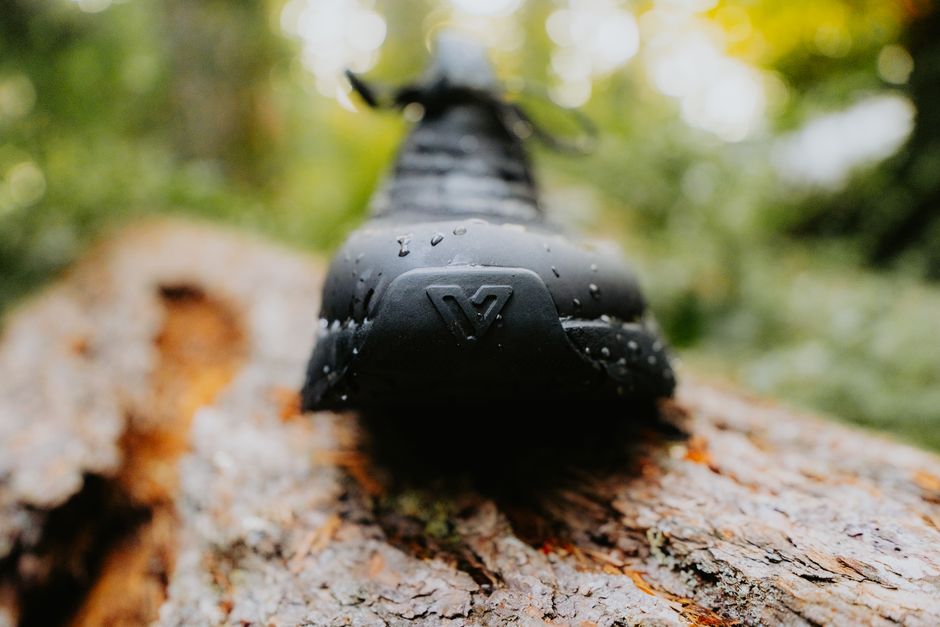
When selecting your next pair of comfortable footwear waterproof footwear for rainy commutes, there are several non-negotiable features to prioritize. Think beyond just ‘waterproof’ and consider the holistic experience of wearing them for hours.
1. Superior Waterproofing Technology
Not all ‘water-resistant’ is truly waterproof. Look for proven technologies. Gore-Tex is the gold standard, offering excellent breathability while blocking water ingress. Other proprietary membranes from brands like eVent or Omni-Tech also perform well. The key is a fully sealed construction, not just a treated outer layer. This means sealed seams and often a bootie-style internal membrane.
2. Exceptional Grip and Traction
A smooth sole on a wet surface is an accident waiting to happen. Prioritize outsoles made from durable rubber compounds with aggressive, multi-directional tread patterns. Lugs, sipes (small slits in the tread), and varied patterns all contribute to better traction on wet asphalt, cobblestones, metal grates, and slick floors. Brands often have their own proprietary rubber compounds designed for wet grip, such as Vibram Arctic Grip for extreme conditions or specific anti-slip compounds for urban environments.
3. All-Day Comfort and Arch Support
Even the most waterproof shoe is useless if it’s uncomfortable. Look for ample cushioning in the midsole, often made from EVA or PU foam, which provides shock absorption. Proper arch support is vital, especially for those with long commutes or specific foot concerns like flat feet or high arches. Many shoes come with removable insoles, allowing you to insert custom orthotics if needed. Consider the toe box – it should be roomy enough for your toes to splay naturally without feeling cramped.
Loafers, Trainers, or Boots: Choosing Comfortable Shoes for Smart Casual Style
4. Breathability for Interior Comfort
Waterproof doesn’t mean sweat-proof. A common complaint with fully waterproof shoes is that they can make feet feel clammy. Breathable membranes, like Gore-Tex, allow moisture vapor (sweat) to escape while preventing water from getting in. This is crucial for maintaining a comfortable internal climate and preventing blisters, especially when moving from outdoors to warmer indoor environments.
5. Durability and Material Quality
Your commute shoes will take a beating. Invest in materials that can withstand daily wear and tear. Full-grain leather, treated synthetics, and solid rubber rands (protective strips around the sole) contribute to longevity. Inspect stitching and bonding – cheaper shoes often fail at these points first. A well-constructed shoe will last longer and perform better over time.
6. Style Versatility for Office and Travel
For many professionals, a casual hiking boot isn’t appropriate for the office. Look for styles that blend functionality with a refined aesthetic. Many brands now offer sleek waterproof walking shoes, low-profile boots, or even stylish waterproof sneakers that look sharp enough for business casual settings. Black or dark brown leather options are often the most versatile.
Comparing Popular Waterproof Footwear Types
Depending on your personal style, commute length, and the severity of the weather, different types of comfortable footwear waterproof footwear for rainy commutes will suit you best. Here’s a quick comparison:
| Footwear Type | Pros | Cons | Best For |
|---|---|---|---|
| Waterproof Walking Shoes / Sneakers | Lightweight, flexible, excellent comfort for long walks, often stylish for casual/smart casual office settings. | Lower ankle coverage, might not handle very deep puddles. | Daily urban commutes, light rain, dry paths, travel shoes. |
| Waterproof Ankle Boots / Chukka Boots | Better ankle protection, good for moderate rain/puddles, versatile style (can be dressed up or down). | Can be heavier, less breathable than shoes, some might lack extreme grip. | Moderate rain, colder weather, office shoes, more rugged urban environments. |
| Waterproof Hiking Boots (Lightweight) | Superior waterproofing and grip, excellent ankle support, very durable. | Often bulkier, less formal aesthetic, can be overkill for light commutes. | Heavy rain, snow, rougher terrain, long walks, when maximum protection is needed. |
| Wellington Boots (Rubber Boots) | 100% waterproof for deep puddles/mud, very durable. | Poor breathability, often lack arch support/cushioning for long walks, not office-appropriate. | Extremely heavy rain, gardening, rural commutes, specific dirty tasks. |
When considering different brands, look for those known for their waterproofing and comfort. Brands like Ecco, Merrell, Columbia, Timberland, and Keen often feature Gore-Tex or similar membranes in their urban-focused collections. For those in the UK, brands like Barbour also offer stylish, waterproof options. In Germany, quality engineering from brands like Meindl (though more outdoors-focused) sets a high standard, while many European brands prioritize comfort and style for city wear.
How Do I Choose Comfortable Shoes for Daily Walking?
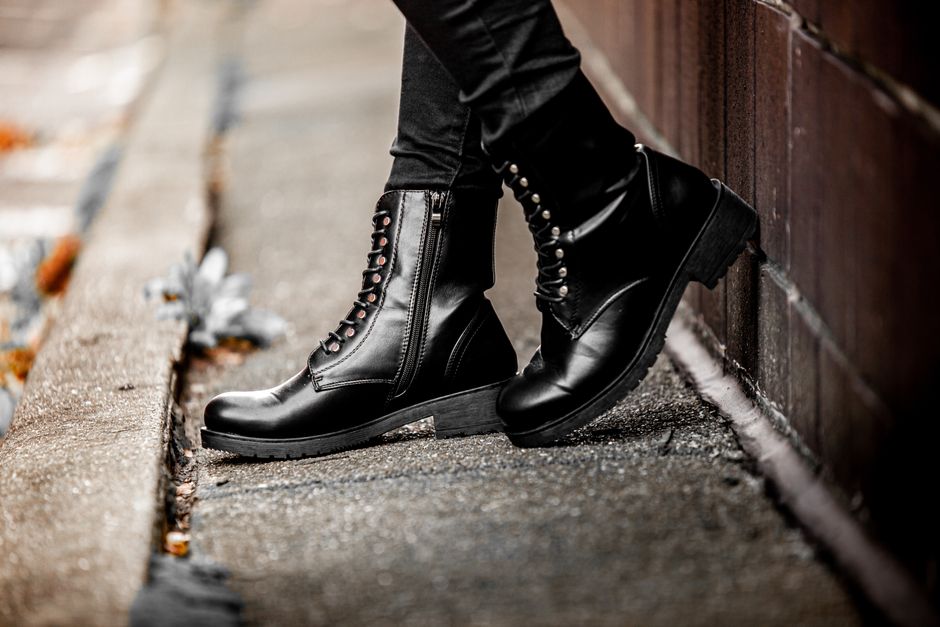
To choose comfortable shoes for daily walking, prioritize flexibility, cushioning, and proper fit. Ensure there’s adequate room in the toe box and that the heel doesn’t slip. Look for responsive midsole materials like EVA or PU that absorb impact. Good arch support, either built-in or via an aftermarket insole, is crucial to prevent fatigue and support foot health over long distances. Finally, consider the shoe’s weight; lighter shoes often contribute to greater comfort during extended periods of activity.
Common Mistakes to Avoid When Buying Waterproof Footwear
Despite the array of options, it’s easy to make missteps when buying waterproof shoes. A common mistake is assuming all ‘water-resistant’ shoes are truly waterproof. True waterproofing requires a sealed membrane, not just a surface treatment, which will eventually wear off or be overwhelmed in heavy rain. Always check for explicit ‘waterproof’ claims and look for Gore-Tex or similar technical specifications.
Another pitfall is sacrificing comfort for waterproofing. An uncomfortable shoe, no matter how dry it keeps your feet, will be miserable for a daily commute. Always try shoes on with the type of socks you’d typically wear. Walk around the store to test the fit, cushioning, and flex. Don’t assume a break-in period will fix fundamental comfort issues. Pay close attention to the arch support and overall fit – too tight can lead to blisters, too loose can cause rubbing and instability.
Men And Women’s Shoes: Looking for a new pair of shoes? Footlocker has the top brands for you.
Ignoring grip is also a significant error. Many stylish waterproof boots may look great but have dangerously smooth soles for wet conditions. Examine the outsole for substantial tread and rubber composition designed for traction. This is particularly important in regions like the UK, Germany, and the US, where wet leaves and icy patches are common.
Finally, don’t overlook maintenance. Even the best waterproof shoes need occasional cleaning and re-treatment to maintain their breathability and water repellency, especially if they are leather or textile-based. Dirt can compromise the outer layer, reducing its effectiveness and affecting the lifespan of the footwear. Regular care ensures your investment continues to perform as expected.
Frequently Asked Questions About Waterproof Footwear
Q: What is the best material for waterproof commuting shoes?
A: The best material for waterproof commuting shoes typically involves a breathable waterproof membrane like Gore-Tex, eVENT, or a brand’s proprietary equivalent, laminated within the shoe’s construction. For the outer material, treated full-grain leather or high-quality synthetic fabrics offer durability and can be re-treated for water repellency.
Q: Can I make my regular shoes waterproof for a commute?
A: You can apply water-repellent sprays or waxes to regular shoes to enhance their resistance to light rain. However, this creates a water-resistant barrier, not true waterproofing. For heavy rain or prolonged exposure, shoes with an integrated waterproof membrane are essential, as surface treatments won’t prevent water from seeping through seams or non-treated areas.
Q: How often should I re-waterproof my shoes?
A: The frequency of re-waterproofing depends on wear and tear, and the shoe’s original materials. For shoes with a DWR (Durable Water Repellent) coating, re-apply a spray or wash-in treatment when water stops beading up and starts soaking into the outer fabric. Leather shoes benefit from regular conditioning and occasional re-waxing, especially in high-wear areas.
Q: Are waterproof shoes breathable?
A: Yes, modern waterproof shoes, especially those utilizing advanced membranes like Gore-Tex, are designed to be breathable. These membranes have microscopic pores large enough for water vapor (sweat) to escape but too small for liquid water to enter, helping to keep your feet dry and comfortable from the inside out.
Q: What’s the difference between waterproof and water-resistant?
A: Waterproof means the material or construction completely prevents water penetration, often through a sealed membrane or treated outer layer, effective even in submersion. Water-resistant means the material can repel light splashes or drizzle for a short period but will eventually soak through in heavy rain or prolonged exposure, lacking a full protective barrier.
Q: Are waterproof shoes good for arch support?
A: Many high-quality waterproof shoes, particularly those designed for walking or light hiking, incorporate excellent arch support and cushioning. Brands understand that commuters need all-day comfort. Always check product descriptions and reviews for specific details on arch support, and remember that many shoes allow for custom orthotics.
Navigating the unpredictable weather of cities like London, Berlin, or New York doesn’t have to mean sacrificing comfort or style. By understanding the key features of comfortable footwear waterproof footwear for rainy commutes, you can make an informed choice that keeps your feet dry and happy, no matter the forecast. Make wet feet a thing of the past and step out with confidence. To explore more footwear guides and make your next purchase an informed one, Explore more footwear guides on GoTrendlin.