

Planning a memorable trip without overspending hinges on strategic decisions: booking during shoulder season, utilizing budget accommodation like vacation rentals or hostels, cooking some of your meals, and focusing on free or low-cost activities. Effective affordable travel planning also involves setting a realistic budget early, tracking expenses, and leveraging loyalty programs or credit card points. For school holidays, consider destinations easily accessible by train or bus, and prioritize experiences over expensive attractions, ensuring a rich family adventure that is genuinely budget-friendly.
School holidays present a fantastic opportunity for families to reconnect, explore new places, and create lasting memories. However, the perceived high cost of travel often deters many from embarking on these adventures. The good news is that unforgettable family trips don’t have to drain your savings. With a bit of strategic planning and a few insider tips, you can discover a world of affordable travel options.
Whether you’re dreaming of a European city break, a road trip across the US, or a seaside escape in the UK, understanding how to stretch your budget is key. This guide focuses on practical, budget-friendly family travel ideas for school holidays, helping you navigate the complexities of travel planning without compromising on fun or experience.
Many families mistakenly believe that travel during peak school holidays is inherently expensive. While demand can drive up prices, smart choices regarding destination, timing, and activities can significantly reduce costs. The goal is to maximize your experiences while minimizing your expenditures, making memorable trips accessible for everyone.
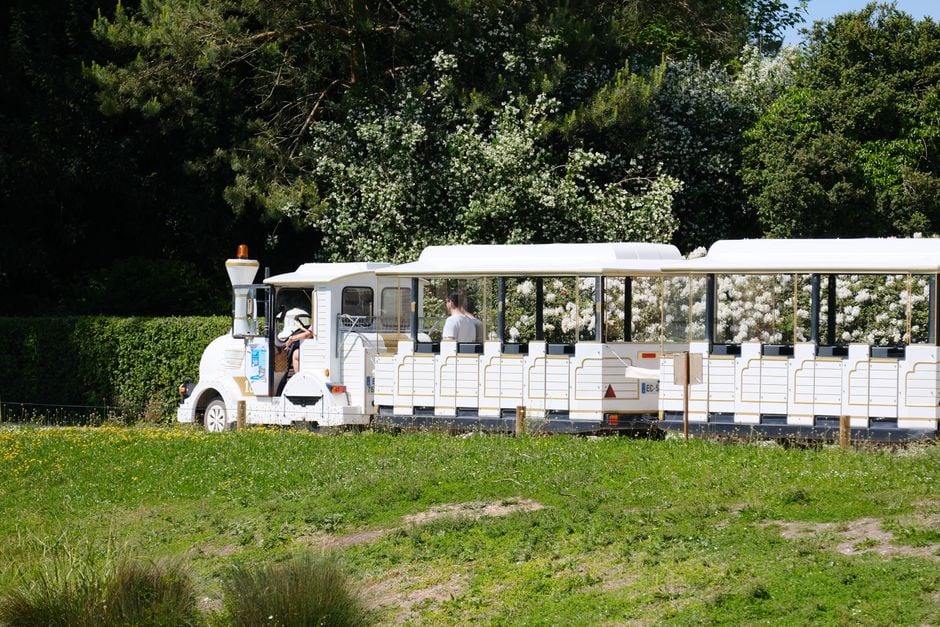
Families enjoying a scenic train journey, a great option for budget-friendly travel and sightseeing.
Strategic Affordable Travel Planning: Timing and Accommodation
The foundation of any budget-friendly family travel plan lies in smart timing and accommodation choices. These two factors often account for the largest portion of your travel expenses, and optimizing them can lead to substantial savings.
Embrace the Shoulder Season
Traveling during the shoulder season is arguably the most impactful strategy for reducing costs. This refers to the periods just before or after the peak tourist season. For instance, in Europe, late spring (April-May) and early autumn (September-October) offer pleasant weather, fewer crowds, and significantly lower prices for flights and accommodation compared to the summer months. Similarly, in the US, early June or late August can be more affordable for popular destinations than the heart of July.
- Europe City Breaks: Imagine exploring Paris or Rome in May or September. The weather is often mild, allowing for comfortable sightseeing, and you’ll find better deals on hotels and fewer queues at major attractions. Cities like Berlin, Krakow, or Lisbon also shine during these times and offer excellent value.
- US Destinations: Consider national parks like Zion or Yosemite in late spring or early fall. The cooler temperatures are ideal for hiking, and you’ll avoid the summer rush. Florida theme parks can be more accessible in early December or late January.
Smart Accommodation Choices for Families
Beyond traditional hotels, numerous options cater specifically to families on a budget:
Experience Unforgettable Trips and Discover New Adventures with KKday
- Vacation Rentals (e.g., Airbnb, Vrbo): These often provide more space, multiple bedrooms, and crucially, a kitchen. Being able to cook some of your meals is a huge money-saver, especially for larger families. They also offer a more authentic local experience.
- Hostels with Private Family Rooms: Many modern hostels now offer private rooms with en-suite bathrooms, providing a clean, safe, and social environment at a fraction of the cost of a hotel. They often include breakfast and communal kitchens.
- Camping and Glamping: For families who love the outdoors, camping can be an incredibly budget-friendly option, particularly in countries like the US (National Parks), France (campgrounds with amenities), or the UK (scenic campsites). Glamping offers a comfortable middle ground.
- Apart-hotels: These combine hotel amenities with the space and kitchen facilities of an apartment, perfect for longer stays.
Transportation Tricks: Getting There and Around Affordably
Once you’ve decided when and where to stay, the next big hurdle is transportation. Smart choices here can dramatically impact your overall expenditure on affordable travel planning.
Flights, Trains, and Buses: Booking Strategies
- Flights: Book in advance, be flexible with your dates and airports (flying into a smaller, nearby airport can be cheaper), and use flight comparison websites (e.g., Skyscanner, Google Flights). Consider flying mid-week or early morning. Don’t forget to factor in baggage fees, especially with budget airlines common in Europe.
- Trains: For intra-European travel, trains can be a fantastic, scenic, and often cost-effective option, especially with family passes or advance booking. Germany’s Deutsche Bahn, France’s SNCF, and Italy’s Trenitalia frequently offer promotional fares. In the UK, advance tickets are crucial for savings.
- Buses: Long-distance buses (e.g., FlixBus in Europe, Greyhound in the US) are typically the most economical land travel option. They might take longer, but for families on a strict budget, the savings can be significant.
Local Transit and Walking Tours
Once at your destination, embrace public transport. Many major cities in the US, UK, and Europe offer family passes or multi-day tickets that are far more cost-effective than taxis or ride-shares. Walking is free, healthy, and often the best way to soak in the atmosphere of a new place. Look for free walking tours – many cities offer them on a tip-basis, providing a great introduction to the area.
Savvy Spending: Food and Activities on a Budget
Food and activities are where daily expenses can quickly add up. With some foresight, you can enjoy delicious meals and exciting experiences without overspending, cementing your affordable travel planning strategy.
Eating Well Without Breaking the Bank
- Cook Your Own Meals: As mentioned, a kitchen is a practical advantage. Shop at local supermarkets and farmers’ markets. This is particularly effective in destinations like France and Italy where fresh produce is abundant and delicious.
- Picnics: Pack lunches and snacks for your sightseeing days. Find a beautiful park or scenic spot and enjoy an al fresco meal. This is a common and enjoyable practice across Europe, from London’s Hyde Park to Berlin’s Tiergarten.
- Street Food and Local Markets: Embrace the local culinary scene by trying street food or grabbing meals from market stalls. This is often more authentic and significantly cheaper than sit-down restaurants. Think bratwurst in Germany, tapas in Spain, or fish and chips in the UK.
- Early Bird/Lunch Specials: Many restaurants, especially in tourist areas, offer set lunch menus or early bird dinner specials at a lower price point than regular dinner service.
Free and Low-Cost Activities
Many of the best travel experiences don’t cost a thing:
- Parks and Playgrounds: Essential for families, these offer free entertainment and a chance for kids to burn off energy.
- Museums (Free Entry Days/Times): Many world-class museums in places like London (British Museum, National Gallery) and Washington D.C. (Smithsonian institutions) offer free admission. Others have specific free entry days or evenings; check their websites in advance.
- Walking Tours and Self-Guided Exploration: Wander through charming neighborhoods, discover hidden gems, and soak in the local culture.
- Beaches and Nature Trails: If your destination has natural beauty, take advantage of it. Hiking, swimming, and exploring the outdoors are typically free.
- Local Libraries and Community Centers: Sometimes these host free events or offer cheap Wi-Fi.

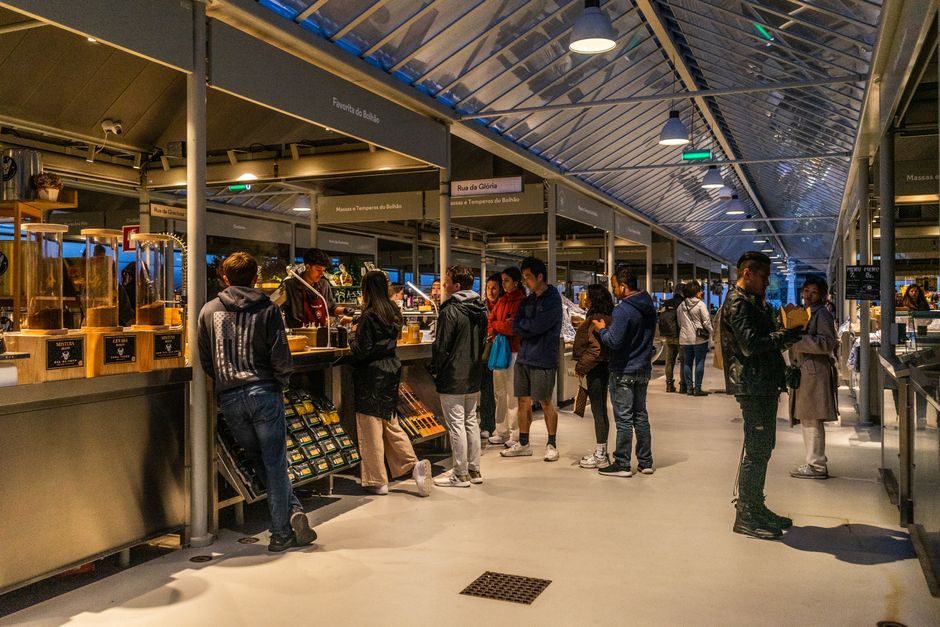
A vibrant street market in a European city, perfect for budget-friendly meals and local experiences.
Safety and Smart Spending: Essential Travel Considerations
Beyond finding deals, ensuring your family’s safety and financial security is paramount. These elements are non-negotiable parts of comprehensive affordable travel planning.
Prioritizing Travel Safety
No matter where you travel, basic safety precautions are always necessary:
- Research Your Destination: Understand local customs, common scams, and any areas to avoid. Government travel advisories (e.g., US State Department, UK Foreign Office) provide up-to-date information.
- Stay Aware: Be mindful of your surroundings, especially in crowded tourist areas where pickpocketing can be an issue (e.g., bustling markets in Barcelona, popular squares in Rome).
- Secure Valuables: Use money belts or secure bags, and avoid flashing expensive items. Leave important documents locked up in your accommodation when not needed.
- Emergency Contacts: Know the local emergency numbers. Keep copies of passports and important documents separate from the originals.
The Value of Travel Insurance
Many see travel insurance as an unnecessary expense, but it’s a critical component of responsible and affordable travel planning, especially for families. It protects against unforeseen circumstances that could cost far more than the policy itself:
Plan Your Perfect Getaway and Discover the World with Singapore Airlines
- Medical Emergencies: Overseas medical treatment can be incredibly expensive. Travel insurance covers doctor visits, hospital stays, and emergency evacuations. This is crucial for travel to the US, where healthcare costs are notoriously high, but equally important in Europe where EHIC/GHIC cards may not cover everything or certain nationalities.
- Trip Cancellations/Interruptions: If a family member gets sick, or there’s an unforeseen event, insurance can reimburse non-refundable costs.
- Lost Luggage/Belongings: Provides coverage if your luggage is delayed, lost, or stolen.
Always read the fine print to understand what’s covered, especially regarding pre-existing conditions or specific activities. Compare policies from various providers to find one that suits your family’s needs and budget.
FAQ: Answering Your Affordable Family Travel Questions
How far in advance should I book flights and accommodation for school holidays?
For school holidays, booking 3-6 months in advance for flights and popular accommodation is generally recommended, especially if you have fixed dates. This helps secure better rates before prices rise due to demand. For very popular destinations or unique stays, you might even consider booking 9-12 months out.
Are all-inclusive resorts truly budget-friendly for families?
All-inclusive resorts can be budget-friendly for families if you fully utilize their offerings and don’t plan many outside excursions. They provide predictable costs, covering meals, drinks, and activities, which eliminates daily spending surprises. However, if you prefer exploring local cuisine and attractions, a self-catering apartment might offer better value.
What are some good budget-friendly destinations in Europe for families?
For budget-friendly family travel in Europe, consider destinations like Poland (Krakow), Portugal (Lisbon, Porto), the Czech Republic (Prague), or Hungary (Budapest). These countries offer rich history, culture, and delicious food at significantly lower prices than Western European counterparts, and public transport is often excellent and inexpensive.
How can I save money on travel insurance for my family?
To save on travel insurance, compare quotes from multiple providers. Look for annual multi-trip policies if you travel frequently, as these can be more cost-effective than single-trip policies. Also, check if your credit card or existing home insurance offers any travel benefits that might reduce your need for additional coverage.
Is it cheaper to drive or fly for US family travel during school breaks?
Whether driving or flying is cheaper for US family travel depends on distance, fuel costs, car rental prices, and the number of travelers. For shorter to medium distances (under 8-10 hours driving), driving is often more economical, especially for families of four or more. Factor in accommodation for overnight stops, food, and potential car wear-and-tear.
What are some budget-friendly family activities in major US cities?
In major US cities, look for free museums, public parks (like New York’s Central Park or Chicago’s Millennium Park), free walking tours, and open markets. Many cities also have free events, festivals, or concerts during warmer months. Public libraries often host free children’s programs, and waterfront areas usually offer free access and scenic views.
Conclusion: Making Affordable Travel a Reality for Your Family
Embarking on budget-friendly family travel during school holidays is not just a dream; it’s an achievable goal with the right approach. By focusing on strategic affordable travel planning – embracing the shoulder season, choosing smart accommodation, leveraging public transport, cooking your own meals, and prioritizing free or low-cost activities – you can craft unforgettable adventures without financial stress. Remember the importance of travel safety and securing appropriate travel insurance for peace of mind. Your next family memory is waiting, and it doesn’t have to cost a fortune. Explore more travel guides on GoTrendlin to inspire your next adventure.