

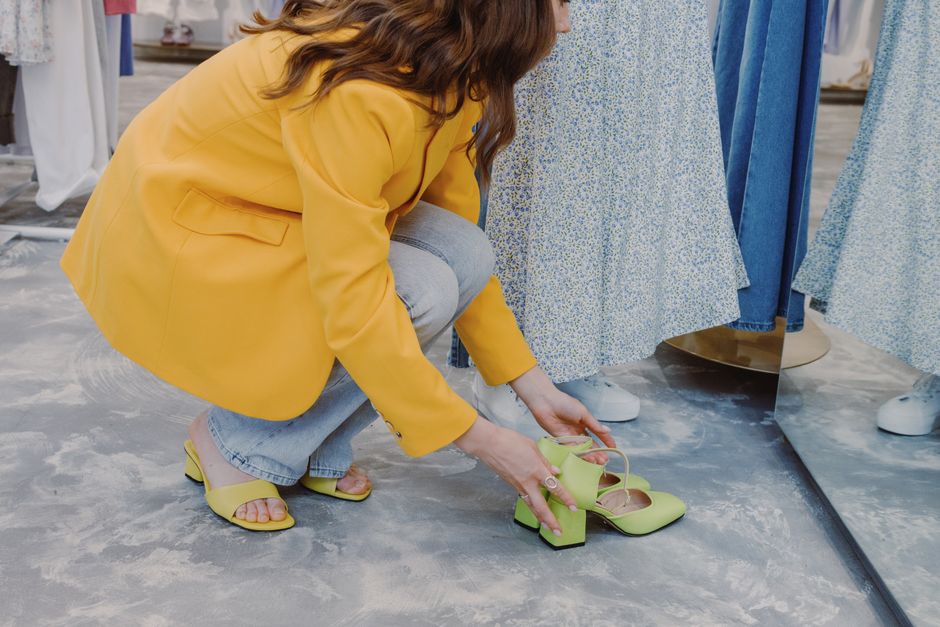
To choose comfortable shoes for daily walking and long days in the office, prioritize proper fit, adequate arch support, cushioning, and breathable materials. Look for shoes that match your foot’s natural shape, offer a stable base, and have a non-slip grip. Consider your daily activities – whether it’s significant walking, standing, or sitting – and select shoes that can support those demands without causing discomfort or strain by the end of the day. A good pair of comfortable office shoes for long days will feel supportive from the moment you try them on.
Many of us spend a significant portion of our day on our feet, whether it’s navigating sprawling office complexes, commuting through busy city centres like London’s Tube or Berlin’s S-Bahn, or simply running errands before and after work. The wrong footwear can turn a productive day into a painful ordeal, leading to anything from blisters and foot fatigue to more serious long-term issues affecting your knees, hips, and back. It’s a common complaint: that burning sensation in your arches, the throbbing in your heels, or the overall ache that sets in by mid-afternoon.
Ignoring these signals isn’t just uncomfortable; it impacts your focus, mood, and overall well-being. A pair of stylish but ill-fitting shoes might look great in the morning, but by the time you’re heading home on the Métro in Paris or catching a regional train in Italy, the appeal has long worn off, replaced by regret. The challenge, then, is finding comfortable office shoes for long days that don’t compromise on professionalism or personal style.
It’s about making an informed decision, understanding that a shoe isn’t just an accessory, but a crucial piece of equipment for your daily journey. From a bustling business district in New York to a quiet co-working space in Lyon, the demand for practical, supportive footwear is universal. This guide aims to demystify the process, helping you choose comfortable footwear that genuinely supports you throughout your longest days.
Key Elements for All-Day Comfort
Before diving into specific styles, let’s establish what makes a shoe truly comfortable and supportive for long hours:
- Proper Fit: This is paramount. Too tight, too loose, or the wrong shape for your foot spells trouble.
- Arch Support: Crucial for distributing pressure evenly and preventing strain, especially if you have high arches or flat feet.
- Cushioning: Absorbs impact, reducing stress on your feet and joints. Think shock absorption for urban commutes.
- Breathable Materials: Prevents sweat and odour, keeping your feet feeling fresh and healthy. Leather, mesh, and certain synthetics excel here.
- Flexible Sole: Allows your foot to move naturally, promoting a smooth gait cycle.
- Stable Heel and Ankle Support: Reduces wobbling and potential injuries, particularly important for boots or heels.
- Non-Slip Grip: Essential for safety on various surfaces, from polished office floors to wet city pavements.
- Weight: Lighter shoes reduce fatigue over long periods.
Deep Dive: What to Look for in Comfortable Office Footwear
Choosing the right pair goes beyond aesthetics. It’s a holistic assessment of your needs and the shoe’s capabilities.
1. The Foundation: Understanding Fit and Arch Support
Perhaps the most critical factors for comfortable footwear are fit and arch support. A shoe that doesn’t fit properly, regardless of its cushioning, will cause problems. Your feet swell throughout the day, so it’s often best to try on shoes in the afternoon or evening. Always ensure there’s about a thumb’s width of space between your longest toe and the end of the shoe. Your toes should be able to wiggle freely, and the widest part of your foot (the ball) should align with the widest part of the shoe.
When it comes to arch support, feet aren’t one-size-fits-all. Some people have high arches, some have flat feet, and many are somewhere in between. A good office shoe should offer adequate support for your specific arch type to prevent overpronation (foot rolling inward) or supination (foot rolling outward). Brands like ECCO, often found across Europe and the US, are known for their anatomical last shapes that provide excellent natural arch support. For those needing extra help, removable insoles are a huge plus, allowing you to insert custom orthotics or aftermarket arch support inserts from brands like Superfeet or Dr. Scholl’s.
2. Materials Matter: Breathability and Durability
The materials your shoes are made from directly impact comfort, breathability, and how long they’ll last. Genuine leather is a classic choice for office shoes in places like Milan or Paris; it’s durable, molds to your foot over time, and offers good breathability. Look for full-grain leather for the best quality. Suede can also be comfortable but requires more maintenance, especially in wet weather. For a more casual office environment or for travel shoes, synthetic meshes or knit fabrics offer exceptional breathability and lightness, ideal for warmer climates or long walks through city parks.
The Ultimate Guide to Choosing Comfortable and Stylish Women’s Shoes
Waterproofing is another key consideration, particularly in regions like the UK or Germany where rain can be frequent. Shoes treated with water-resistant coatings or featuring Gore-Tex membranes can keep your feet dry without sacrificing too much breathability. This is especially useful for commuters walking to the office, preventing damp socks and uncomfortable foot conditions.
3. Sole Searching: Cushioning, Flexibility, and Grip
The sole of your shoe is your direct interface with the ground, making its properties vital for long-term comfort. Good cushioning absorbs the impact of each step, protecting your joints. Look for midsoles made from EVA (ethylene-vinyl acetate) foam or polyurethane, both known for their shock-absorbing qualities. Many walking shoes and athletic-inspired office shoes integrate advanced cushioning technologies.
Flexibility in the forefoot allows your foot to bend naturally during walking, promoting a healthy gait. However, too much flexibility without proper support can be detrimental. The sole should bend where your foot bends, not in the middle of the arch. A rigid shank, often found in more structured office shoes and boots, can provide stability without impeding natural movement.
Finally, never underestimate the importance of grip. A non-slip rubber outsole is essential for safety, particularly on slick office floors, wet pavements in Barcelona, or icy patches in Warsaw. Test the sole’s traction; deeply grooved patterns generally offer better grip than smooth, flat ones. Brands like Clarks, popular in the UK and US, often feature excellent grip on their smart-casual ranges.
4. Style vs. Substance: Balancing Aesthetics and Function
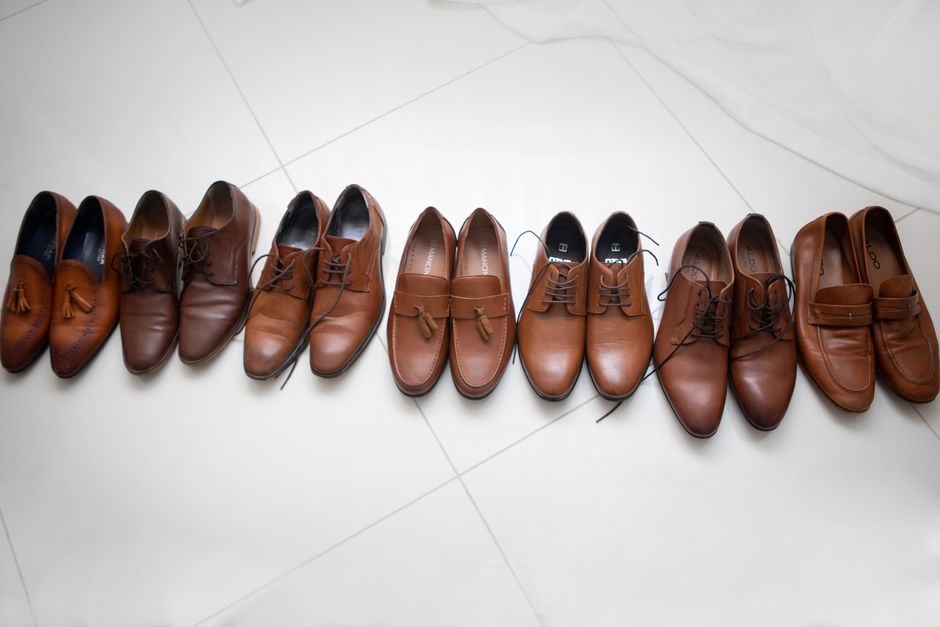
It’s a common misconception that comfortable shoes must be unfashionable. Thankfully, the market has evolved significantly. Many brands now offer sophisticated styles that integrate advanced comfort features. For women, comfortable low heels, block heels, or elegant flats with substantial arch support are excellent choices. Brogues, loafers, and even well-designed sneakers can be office-appropriate depending on your workplace dress code. For men, classic Oxfords, Derby shoes, or refined loafers with cushioned insoles and flexible soles are often suitable. Brands such as Geox, widely available across Europe, are known for combining Italian style with breathable technology.
When selecting your shoes, consider the typical dress code of your workplace. If a more formal look is required, prioritize leather shoes with subtle comfort features. For a business-casual environment, you have more leeway to explore walking shoes that offer enhanced support and cushioning. The key is to find that sweet spot where your shoes look professional while feeling like they were custom-made for your feet.
5. Specific Needs: Walking, Commuting, and Travel
Your daily routine heavily influences the type of comfortable footwear you need. If your day involves significant walking – whether it’s a long commute, navigating a large campus, or frequent inter-office travel – prioritizing features found in dedicated walking shoes is smart. This means superior cushioning, solid arch support, and a lightweight design. Think about the distances you cover; even a few kilometres daily add up.
For commuters, especially those using public transport in cities like Rome or Madrid, shoes that can handle varied terrain and weather are vital. Look for good grip and, if necessary, some level of weather resistance. Travel shoes often overlap with walking and commuter shoes, emphasizing durability, packability, and multi-purpose functionality. A good pair of travel boots, for example, can serve you well from an office meeting to exploring a historic city centre.
From Sneakers to Stilettos: Exploring the Evolution of Women’s Footwear
FAQ: Answering Your Footwear Comfort Questions
How do I choose comfortable shoes for daily walking?
For daily walking, prioritize shoes with excellent arch support, ample cushioning to absorb impact, and a flexible yet stable sole. Ensure a proper fit with room for your toes to move freely and consider breathable materials to keep your feet dry and comfortable, preventing blisters and fatigue.
What’s the difference between arch support and cushioning?
Arch support focuses on maintaining the natural curve of your foot, preventing strain and aligning your gait. Cushioning, on the other hand, provides shock absorption, reducing impact on your feet and joints. Both are vital for comfort, but they serve distinct biomechanical purposes.
Can I use orthotics with any comfortable office shoes?
While many comfortable office shoes feature removable insoles, making them suitable for orthotics, not all do. Check if the shoe’s existing insole can be taken out easily. If not, adding an orthotic might make the shoe too tight, compromising fit and comfort.
How often should I replace my comfortable footwear?
The lifespan of comfortable footwear depends on usage and quality, but generally, walking and office shoes should be replaced every 500-800 kilometres of walking or every 6-12 months if worn daily. Signs like worn-out soles, reduced cushioning, or persistent foot pain indicate it’s time for a new pair.
Are high heels ever comfortable for long days?
While some modern high heels incorporate more cushioning and support, they are generally not ideal for long days on your feet. Lower block heels, wedges, or kitten heels offer better stability and distribute weight more evenly, making them significantly more comfortable than stilettos for extended wear.
What brands are known for comfortable office shoes in Europe?
Across Europe, brands like ECCO, Geox, Clarks, Rieker, and Josef Seibel are well-regarded for their focus on comfort, quality, and style in office and daily wear footwear. These brands often blend ergonomic design with contemporary aesthetics, catering to diverse professional needs.
Key Takeaways for Your Footwear Search
Choosing comfortable office shoes for long days doesn’t have to be a compromise between style and well-being. By focusing on a few critical factors, you can find footwear that supports you from your morning commute to your evening unwinding.
Prioritize Fit Above All Else: No amount of cushioning or support can compensate for a shoe that’s too tight, too loose, or the wrong shape for your foot. Always try shoes on, preferably later in the day, and ensure ample room for your toes.
Invest in Arch Support and Cushioning: These are the twin pillars of long-term foot health. Whether it’s built-in or added with orthotics, proper support and shock absorption will save your feet and joints from daily wear and tear.
Consider Your Daily Demands: Your lifestyle dictates your shoe needs. A person walking across a large factory floor needs different features than someone mostly seated at a desk. Factor in your commute, your workplace environment, and any specific foot conditions you have.
Finding the right pair of comfortable footwear is an investment in your daily comfort and overall health. Don’t settle for less when your feet work so hard for you. Explore more footwear guides on GoTrendlin to make your next choice an informed one.