


To choose and set up a safe VPN, you must meticulously compare VPN privacy policies before you subscribe. Look for a strict no-logs policy, transparency reports, and independent audits that verify their claims. Ensure the VPN’s jurisdiction offers strong data protection, rather than mandating data retention. A reliable VPN will clearly outline what data they collect (minimal, if any, for operational purposes) and how it’s handled, giving you peace of mind for privacy, travel, and remote work, especially when navigating insecure public Wi-Fi networks in bustling city centers across Europe or North America.
In our increasingly connected world, protecting your digital privacy is more critical than ever, especially when you’re on the move. Whether you’re a digital nomad working from a cafe in Berlin, a tourist checking emails in Rome, or a family streaming movies in London, the risk of data exposure on public Wi-Fi networks is a constant concern. Many users intuitively reach for a Virtual Private Network (VPN) to secure their connection, but the effectiveness of that security hinges significantly on one often-overlooked document: the VPN’s privacy policy.
Understanding what you’re agreeing to before you subscribe is paramount. A VPN promising anonymity might, in reality, be logging more data than you realize, compromising the very privacy you sought to protect. This guide will walk you through the essential steps to compare VPN privacy policies, helping you identify the best VPN for privacy and travel that genuinely safeguards your information, whether you’re navigating airport Wi-Fi or managing sensitive remote work tasks.
Selecting a truly safe VPN involves more than just speed tests or server counts. It demands a deep dive into how a provider handles your data. A common mistake is assuming all VPNs operate under the same high standards of data protection. In practice, policies can vary wildly, with some offering solid, independently verified no-log assurances, while others might have vague clauses that allow for extensive data collection. Making an informed choice now can prevent significant privacy headaches later, especially when relying on public Wi-Fi in places like Madrid or New York City.

Quick Overview: Key Elements of a Strong VPN Privacy Policy
- Strict No-Logs Policy: The absolute foundation. The policy should explicitly state that no connection logs, activity logs, or identifiable personal data are collected.
- Jurisdiction: Where is the VPN company legally based? Countries like Switzerland, Panama, or the British Virgin Islands are often preferred due to strong privacy laws, unlike those in 5/9/14 Eyes Alliance nations.
- Independent Audits: Third-party audits verify a VPN’s no-logs claims and security infrastructure. Look for evidence of recent, comprehensive audits.
- Transparency Reports: Regular reports detailing government requests for user data (and how they were handled) demonstrate commitment to user privacy.
- Clear Data Collection: If any data is collected (e.g., for troubleshooting, bandwidth management), it should be anonymized, aggregated, and its purpose clearly defined.
- Payment Anonymity: Options for anonymous payments (e.g., cryptocurrency) can further enhance privacy.
- Data Retention Laws: Ensure the jurisdiction doesn’t mandate data retention, which would contradict a no-logs policy.
- Privacy Policy Accessibility & Readability: Is the policy easy to find, understand, and free from legal jargon?
Deep Dive: What to Scrutinize in VPN Privacy Policies
1. The No-Logs Claim: Not All ‘No-Logs’ Are Created Equal
The term ‘no-logs’ is thrown around frequently in the VPN industry, but its interpretation can differ significantly. A truly privacy-focused VPN means they do not record your IP address, browsing history, DNS queries, connection timestamps, or bandwidth usage. Some VPNs claim ‘no-logs’ but then admit to collecting anonymized aggregated data for network optimization. While this isn’t necessarily a deal-breaker if truly anonymized, the policy must be crystal clear about what is collected and why.
Operational vs. Identifying Logs
It’s important to distinguish between logs that can identify you and those strictly used for operational purposes (like maintaining service quality). For example, a VPN might track the total number of connected users to manage server load. This is generally acceptable, provided it’s aggregated and cannot be tied back to your individual activity. What you absolutely want to avoid are VPNs that log your originating IP address or your online activities, which could be subpoenaed or compromised. A solid privacy policy will draw this distinction very clearly.
2. Jurisdiction and Its Impact on Your Privacy
The legal framework of the country where a VPN company is incorporated plays a monumental role in its ability to protect your data. Countries with solid data protection laws and no mandatory data retention laws are ideal. Conversely, VPNs based in countries that are part of intelligence-sharing alliances (like the 5, 9, or 14 Eyes Alliances, which include the US, UK, Germany, France, Italy, and Spain) might be compelled by law to log and share user data, even if their policy states otherwise. While many reputable VPNs operate successfully within these jurisdictions, they often achieve this through stringent internal policies and legal challenges against data requests.
Examples of Favorable Jurisdictions
Panama and the British Virgin Islands are frequently cited as favorable jurisdictions due to their lack of mandatory data retention laws and strong privacy protections. Switzerland is another strong contender, known for its strict privacy legislation. When comparing VPN privacy policies, always check the company’s stated legal base and research the local data retention laws. This geographical consideration is particularly vital for the best VPN for privacy and travel, as you might traverse multiple legal jurisdictions yourself.
VPN Speed Explained: What Affects Streaming and Video Calls
3. Independent Audits and Transparency Reports: Proving the Claims
Anyone can claim ‘no-logs,’ but proving it is another matter. This is where independent audits and transparency reports become invaluable. An independent audit involves a third-party cybersecurity firm scrutinizing the VPN’s infrastructure, code, and logging practices to verify their privacy policy claims. Look for audit reports that are recent, comprehensive, and publicly available.
The Value of Verifiable Claims
Transparency reports, on the other hand, detail any legal requests for user data the VPN has received and how they responded. A VPN that frequently publishes such reports, ideally stating they’ve never handed over user data due to a lack of logs, demonstrates a strong commitment to privacy. These reports build trust and provide tangible evidence beyond marketing claims. This level of verifiable commitment is essential when choosing the best VPN for privacy and travel, especially if you’re concerned about government surveillance in certain regions.
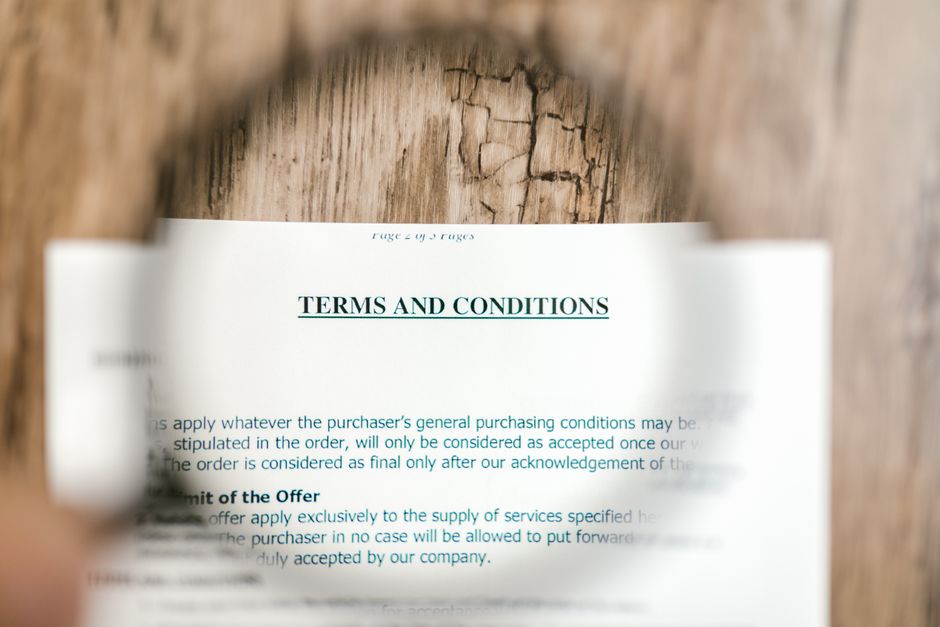
For instance, some top-tier VPNs like NordVPN and ExpressVPN have undergone multiple independent audits to confirm their no-logs policies, giving users greater confidence. This commitment to external verification is a hallmark of a service that truly prioritizes user privacy over potential profit from data collection.
4. Data Collection Practices: Beyond the ‘No-Logs’ Header
Even if a VPN claims ‘no-logs,’ dig deeper into what other information they might collect. This could include your email address for account management, payment information, or aggregated anonymous data related to app usage or crash reports. The key is that this data should be minimal, non-identifying, and clearly outlined with its purpose.
Payment Information and Anonymous Options
When you subscribe, you’ll inevitably share some information. Consider VPNs that offer privacy-friendly payment options, such as cryptocurrencies (e.g., Bitcoin) or even cash payments, which can reduce your digital footprint further. If you use traditional methods like credit cards, ensure the VPN uses a reputable third-party payment processor with strong security measures, and that they don’t link your payment details directly to your VPN activity.
5. Understanding the Fine Print: Third-Party Access and Data Sharing
Read the entire privacy policy, paying close attention to sections on third-party access, data sharing, and data retention. Does the VPN share any data with third parties, even aggregated or anonymized data? Under what circumstances? Look for clear assurances that your data will not be sold or shared with advertisers, marketers, or government agencies without a valid, legally binding request that they cannot resist due to their no-logs policy.
Your Rights as a User
Many privacy policies, especially those serving users in Europe, will mention compliance with regulations like GDPR (General Data Protection Regulation). This grants you specific rights regarding your data, such as the right to access, rectify, or erase your personal data. Understanding these rights, and confirming the VPN’s commitment to upholding them, adds another layer of assurance to their privacy posture. For travelers from the US or UK visiting the EU, this extra layer of protection can be reassuring.
VPN vs. Password Manager: Which Privacy Tool Should You Get First?
FAQ: Answering Your Top VPN Privacy Questions
How do I choose and set up a safe VPN for international travel?
Choosing a safe VPN for international travel involves selecting a provider with a verified no-logs policy, based in a privacy-friendly jurisdiction. Prioritize VPNs with strong encryption (like AES-256) and essential features such as a kill switch and DNS leak protection. Set it up by downloading the official app, logging in, and connecting to a server, ideally before you even leave home.
What is a ‘no-logs’ policy and why is it important for privacy?
A ‘no-logs’ policy means the VPN provider does not collect or store any information that could identify you or your online activities, such as your IP address, browsing history, or connection timestamps. This is crucial for privacy because it ensures that even if the VPN’s servers are compromised or subpoenaed, there’s no data available to link to you.
Are free VPNs safe for privacy and remote work?
Generally, free VPNs are not recommended for privacy or remote work. Many free services generate revenue by selling user data, displaying intrusive ads, or lacking solid security features like strong encryption and a kill switch. For critical tasks or sensitive information, a reputable paid VPN offers far greater privacy and security assurances.
How can I verify a VPN’s privacy claims, especially for public Wi-Fi?
To verify a VPN’s privacy claims, look for independent third-party audit reports that confirm their no-logs policy and security practices. Check for transparency reports detailing government data requests. For public Wi-Fi, ensure the VPN offers solid encryption, a kill switch, and DNS leak protection, which actively prevent your data from being exposed.
Does VPN speed impact privacy or security?
VPN speed does not directly impact privacy or security. While a faster VPN offers a better user experience for streaming, downloads, and remote work, speed is typically a measure of server load, infrastructure quality, and proximity. A slower VPN is not inherently less secure, provided it still employs strong encryption and adheres to a strict privacy policy.
Key Takeaways for Choosing Your VPN for Privacy and Travel
When you’re ready to find the best VPN for privacy and travel, remember that the privacy policy is your most powerful tool. Don’t just skim the headlines; read the full document carefully. Prioritize VPNs with a crystal-clear, independently audited no-logs policy and a proven track record of upholding user privacy. The jurisdiction of the VPN provider is also a critical factor, as local laws can significantly impact data handling.
Always verify claims with transparency reports and external audits, ensuring that what’s promised in the marketing is delivered in practice. Consider their data collection practices beyond logs, looking for minimal, anonymized data handling and privacy-focused payment options. By taking these steps, you can confidently compare VPN privacy policies before you subscribe and secure a service that truly protects your digital footprint, whether you’re working remotely from a bustling café in Paris or streaming content on a secure connection in New York.
For more detailed guides and recommendations on securing your online life, explore our extensive VPN resources on GoTrendlin.