

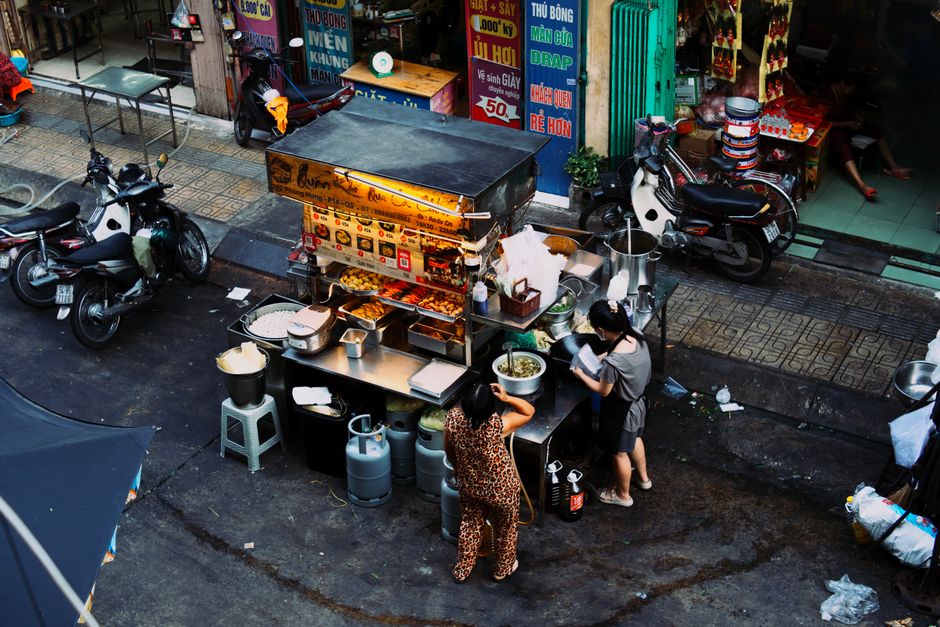
Planning a memorable trip without overspending requires a strategic approach that prioritizes local experiences over mainstream attractions. Focus on visiting during shoulder season, utilizing public transport, eating at markets or small local eateries, and engaging with community-driven activities. This not only stretches your budget but also immerses you in the true rhythm of a destination, allowing you to discover hidden culinary gems and authentic cultural interactions often overlooked by typical tourist itineraries. Embrace flexibility and curiosity to unlock a richer, more affordable travel experience.
When we dream of travel, we often picture iconic landmarks – the Eiffel Tower, the Colosseum, Times Square. And while these sights are undeniably impressive, the true magic of a place often lies just a few blocks away, down a cobbled side street or within the bustling aisles of a local market. It’s in the aroma of freshly baked bread from a family-run bakery, the lively chatter of a neighborhood café, or the unexpected warmth of a conversation with a local artisan.
For many travelers, the desire to connect with authentic local food and culture is a driving force, but the fear of overspending or getting lost in tourist traps can be daunting. The good news is that experiencing a destination like a local doesn’t require an unlimited budget. In fact, it’s often the most affordable travel planning strategy, opening doors to richer, more genuine interactions that postcards can’t capture.
This guide will equip you with practical, actionable advice to venture beyond the predictable. Whether you’re exploring city breaks in Europe, embarking on a US road trip, or seeking unique experiences in other parts of the world, we’ll show you how to find the heart of a place, one local bite and genuine cultural exchange at a time.
The Value of Stepping Off the Beaten Path
There’s a distinct difference between observing a culture from a distance and actually participating in it. Tourist hotspots, while popular for a reason, often present a sanitized, commercialized version of local life. The restaurants cater to a broad palate, the shops sell mass-produced souvenirs, and the interactions are typically transactional. While convenient, this approach often leaves travelers feeling like they’ve seen a place without truly understanding it.
By deliberately seeking out experiences beyond these well-trodden paths, you gain several advantages. Firstly, it’s often a more economical way to travel. Local eateries, markets, and smaller businesses typically offer better value for money, allowing for more affordable travel planning. Secondly, you foster genuine connections. Locals are often more receptive and open when you show interest in their everyday lives, leading to memorable encounters that can’t be bought. Finally, it provides a much deeper, more nuanced understanding of the destination’s identity – its history, its people, and its true culinary landscape.
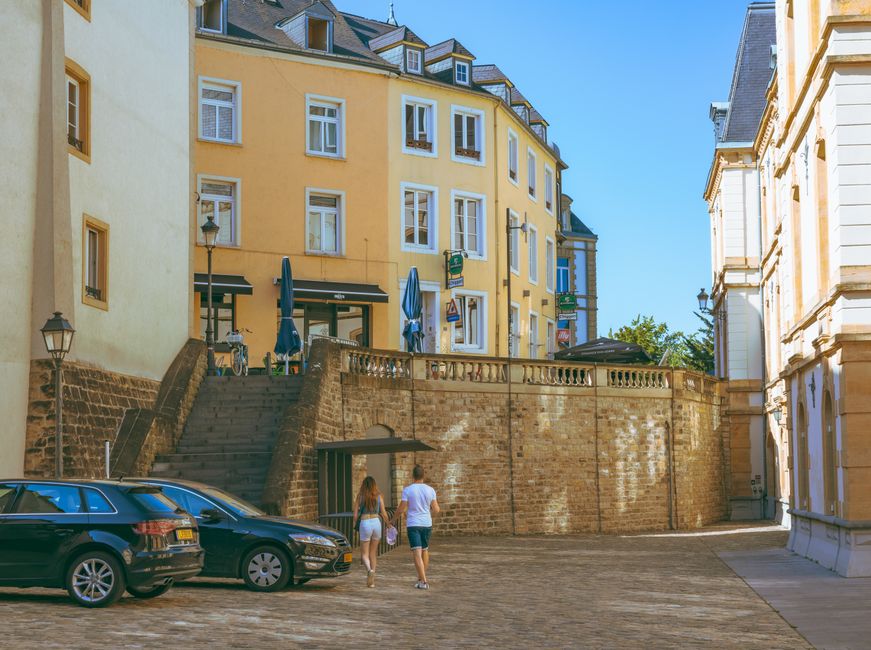
Practical Strategies for Finding Local Food and Culture
Embarking on a journey to uncover authentic local experiences requires a blend of research, openness, and a willingness to explore. Here are some actionable tips to guide your way:
1. Embrace the Shoulder Season and Mid-Week Travel
Timing is everything for affordable travel planning. Traveling during the shoulder season (just before or after peak tourist months) or mid-week offers significant advantages. Prices for flights and accommodation are typically lower, and popular attractions are less crowded, allowing for a more relaxed experience. For example, visiting Paris in early May or late September, or exploring the German Christmas markets in late November, means you’ll still enjoy pleasant weather and vibrant atmosphere, but with fewer queues and better value.
Experience Unforgettable Trips and Discover New Adventures with KKday
2. Leverage Local Transportation and Walk Everywhere
Ditch the expensive taxis and tour buses. Public transport, whether it’s the efficient U-Bahn in Berlin, the iconic double-deckers in London, or a local bus in a smaller Italian town, is often the pulse of a city. It’s an inexpensive way to get around and provides a window into local life. Walking, where feasible, is even better. It allows you to stumble upon hidden courtyards, local parks, and charming storefronts you’d never see from a vehicle. For US travel, consider the extensive Amtrak network for inter-city travel, offering scenic routes and a different perspective than flying.
3. Prioritize Local Markets and Street Food
Markets are a sensory feast and a cultural hub. From the Borough Market in London to the Mercado de San Miguel in Madrid, or smaller regional farmers’ markets across the US and France, they’re perfect for finding fresh, seasonal produce, regional specialties, and delicious street food at excellent prices. Don’t be shy; try a new fruit, sample a local cheese, or grab a takeaway lunch. This is where affordable travel planning truly shines, offering incredible culinary experiences for a fraction of restaurant costs.
4. Seek Out Independent, Family-Run Eateries
Beyond the markets, look for small, independent restaurants (trattorias in Italy, gasthäuser in Germany, bistros in France) a few blocks away from major attractions. These places often serve traditional, homemade dishes using local ingredients, and at much more reasonable prices than their tourist-trap counterparts. Look for menus written in the local language, a bustling atmosphere with mostly locals, and often a smaller, more focused menu – good signs of authenticity.
5. Engage with Local Communities and Language
Even a few phrases in the local language (hello, please, thank you, excuse me) can open doors. Locals appreciate the effort. Consider taking a short cooking class, joining a walking tour led by a local guide, or attending a community event. Websites like Meetup.com or local tourism boards often list events, festivals, or workshops that offer genuine interaction opportunities. This direct engagement is key to discovering local culture beyond tourist hotspots.
6. Embrace Travel Safety and Comprehensive Insurance
While exploring off the beaten path is rewarding, travel safety should always be paramount. Research safe neighborhoods, be aware of your surroundings, and avoid walking alone at night in unfamiliar areas. Always inform someone of your itinerary. Crucially, invest in comprehensive travel insurance. Policies from providers like Allianz Travel Insurance or World Nomads can cover everything from medical emergencies and trip cancellations to lost luggage, providing peace of mind as you venture into new territories.
Comparing Travel Styles: Beyond the Brochure
Understanding different approaches to travel can help you refine your affordable travel planning and ensure you find the local experiences you crave.
| Travel Style | Focus | Budget Impact | Cultural Immersion | Typical Locations |
|---|---|---|---|---|
| Guided Tour (Standard) | Efficiency, key sights, convenience | Higher (often includes everything) | Limited (curated, less spontaneous) | Major capitals (e.g., Rome, Paris, NYC) |
| DIY Explorer (Hotspots) | Freedom, popular attractions | Moderate (flexible spending) | Moderate (can choose some local spots) | Any major tourist destination |
| Local Immersion (Beyond Hotspots) | Authenticity, community, unique experiences | Lower (value-driven choices) | High (direct interaction, deep dives) | Smaller towns, neighborhoods, regional travel |
| Adventure Travel | Physical activity, outdoor exploration | Varies (can be high or low) | Contextual (relates to natural environments) | National Parks (US), hiking in Dolomites (Italy) |

Common Mistakes to Avoid When Seeking Authenticity
While the desire to find local food and culture beyond tourist hotspots is commendable, some common pitfalls can detract from your experience.
Explore New Horizons and Plan Memorable Journeys with Singapore Airlines
A common mistake is packing too much into your itinerary. Trying to see every single landmark can lead to burnout and less time for spontaneous discoveries. Instead, focus on a few key areas or neighborhoods and allow ample time to wander, observe, and truly absorb the atmosphere. Rushing from one attraction to the next leaves little room for the serendipitous moments that define authentic travel.
Another pitfall is relying solely on online reviews, especially for restaurants. While review sites can be useful, they sometimes highlight places that have become popular with tourists, rather than truly local favorites. Instead, try asking locals for recommendations – your hotel front desk, a shopkeeper, or even someone you strike up a conversation with at a café. Their suggestions often lead to the most authentic and memorable dining experiences.
Many travelers also make the mistake of not embracing local customs or attempting basic communication. Being respectful of local etiquette and making an effort to learn a few words of the local language can significantly enhance your interactions. In Europe, for instance, knowing how to order coffee in Italian or greet someone in French can transform a transactional exchange into a genuine connection.
Finally, avoid the temptation to replicate a ‘perfect’ Instagram shot. The pursuit of social media-worthy moments can sometimes overshadow the actual experience of being present and enjoying your surroundings. Let go of the need for perfection and simply immerse yourself in the moment. The most profound memories are often those that aren’t staged or filtered.
FAQ: Planning Your Authentic Travel Experience
How can I plan a memorable trip without overspending?
To plan a memorable trip affordably, focus on visiting during the shoulder season, utilizing public transportation, and seeking out local markets and eateries. Prioritize experiences over expensive attractions, look for free walking tours, and consider staying in guesthouses or apartments with kitchens to save on food costs.
What is shoulder season and why is it beneficial for travel?
Shoulder season refers to the travel periods just before or after the peak tourist season. It offers advantages like lower prices for flights and accommodation, fewer crowds at popular sites, and often pleasant weather. For instance, late spring or early autumn in Europe (e.g., Italy, France) are excellent shoulder seasons.
How do I find authentic local food beyond tourist traps?
Seek out local markets for fresh produce and street food. Ask locals for restaurant recommendations, look for eateries a few blocks away from main tourist areas, and check for menus written in the local language, which often indicates a more authentic experience.
Is it safe to venture beyond well-known tourist areas?
Generally, yes, with sensible precautions. Research neighborhoods beforehand, stay aware of your surroundings, and avoid walking alone at night in unfamiliar areas. Always have a charged phone, emergency contacts, and consider travel safety apps. Comprehensive travel insurance is also highly recommended for peace of mind.
What are some examples of cultural immersion activities?
Cultural immersion can involve taking a cooking class, attending a local festival, visiting community centers, learning a few phrases of the local language, or joining a guided tour led by a local resident. Engaging in these activities helps you understand daily life and traditions more deeply.
Exploring beyond the postcard means embracing the unexpected, savoring the authentic, and creating stories that truly belong to you. With a little planning and an open mind, your next adventure can be rich in local flavors and genuine cultural encounters. To inspire your next journey and explore more travel guides, visit GoTrendlin.