

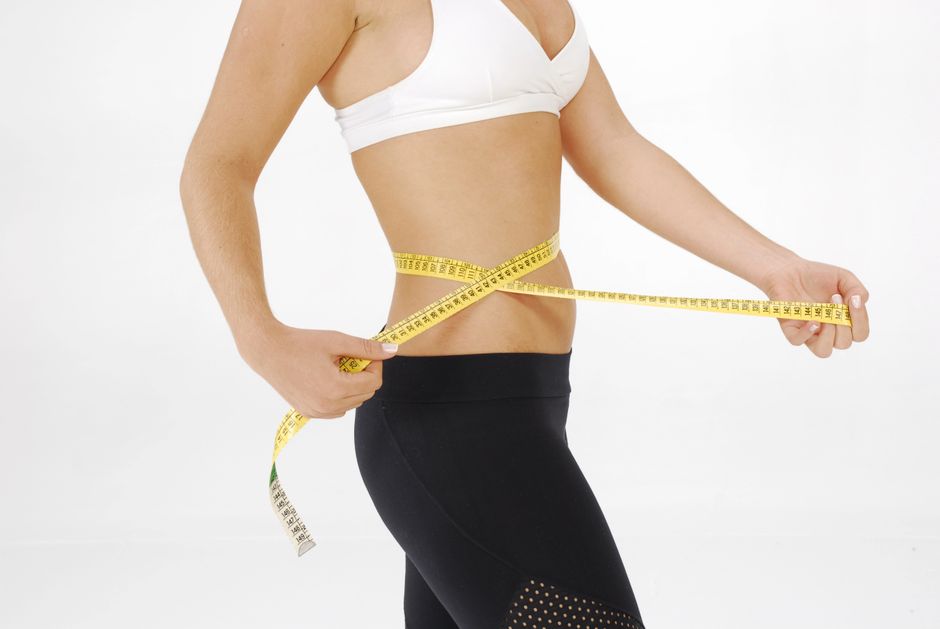
To build a useful wardrobe on a budget and ensure online clothing purchases fit well, women must accurately measure their body. This involves taking precise measurements of the bust, waist, hips, inseam, and shoulder width, then comparing these to specific brand size charts. Understanding your true measurements minimizes guesswork, reduces the need for costly returns, and allows for more informed decisions, ultimately saving money and time. This approach is key for curating a capsule wardrobe, where every piece is a perfect fit and complements others, enhancing versatility and sustainability.
We’ve all been there: a stunning dress or a chic top catches your eye online, the model looks incredible, and you click ‘add to cart’ with high hopes. Weeks later, it arrives, and the reality is… a little different. Too tight here, too loose there, or simply not the flattering fit you imagined. This cycle of anticipation, disappointment, and return shipping is not only frustrating but also costly in terms of time and environmental impact.
In the world of fast fashion and ever-evolving trends, particularly for women seeking workwear, travel outfits, or simply everyday essentials, finding the right fit online remains a persistent challenge. The truth is, sizing is incredibly inconsistent across brands and even within different lines from the same retailer. This makes the fundamental skill of knowing how to measure yourself for better online clothing purchases not just a helpful tip, but an absolute necessity for smart, sustainable shopping.
The Shifting Sands of Sizing: Why Measurements Are Your Best Ally
The concept of ‘standard sizing’ is, unfortunately, largely a myth. A size 8 at one European retailer might be a size 10 in the US, or a completely different cut at a German or Polish brand. This variability is especially pronounced in the women’s fashion sector. For professional women, fitting into a new brand’s blazer or trousers without the opportunity to try it on in person can be a gamble, often leading to wasted money and time.
Understanding your actual body measurements — not just the size tag you usually reach for — empowers you. It shifts you from relying on arbitrary numbers to concrete data. This data is your secret weapon against ill-fitting garments, particularly when you’re investing in quality pieces for a capsule wardrobe or sustainable fashion choices. It reduces the carbon footprint associated with returns and helps you curate a collection of clothes that truly makes you feel confident and comfortable.
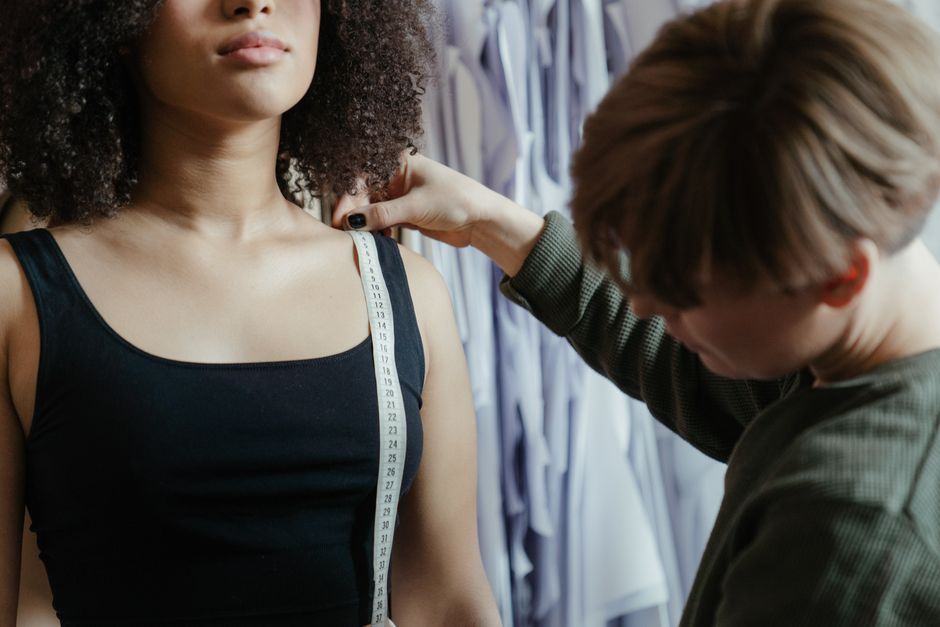
When you know your measurements, you can cross-reference them with specific size charts provided by online retailers. Many high-end brands, and increasingly more mainstream ones, offer detailed garment measurements or body measurement guides. Taking the time to do this before you buy is the single most effective way to improve your online shopping success rate.
Mastering Your Measurements: A Step-by-Step Guide
Learning how to measure yourself for better online clothing purchases is a straightforward process, but precision is key. Grab a flexible measuring tape (the kind used for sewing, not carpentry), a pen, and paper. Wear light clothing or undergarments to get the most accurate readings. Here’s what you need to focus on:
1. Bust Measurement
Wrap the tape measure around the fullest part of your bust, typically across your nipples. Ensure the tape is level all the way around your back and not too tight or too loose. Breathe normally.
2. Waist Measurement
Identify your natural waistline, which is usually the narrowest part of your torso, often just above your belly button. Bend to the side; the crease that forms is generally your natural waist. Keep the tape comfortably snug but not digging in.
3. Hip Measurement
Stand with your feet together and measure around the fullest part of your hips and rear. Again, ensure the tape is level and parallel to the floor.
Women’s Capsule Wardrobe for 2026: Pieces That Mix Easily
4. Inseam Measurement
This is crucial for trousers and jeans. Measure from the very top of your inner thigh down to where you want the hem of your trousers to fall. If you have a pair of well-fitting trousers, you can lay them flat and measure the inseam from the crotch seam to the hem.
5. Shoulder Width
Often overlooked, this is vital for jackets, blazers (think workwear!), and structured tops. Measure straight across your upper back, from the edge of one shoulder to the other, where the arm seam would naturally sit.
6. Arm Length
With your arm slightly bent, measure from the top of your shoulder (where a sleeve would start) down to your wrist bone or where you prefer your sleeve to end.
7. Thigh Measurement
For fitted trousers, shorts, or leggings, measure around the fullest part of one thigh.
8. Rise Measurement (Front and Back)
For jeans and trousers, the rise dictates where the waistband sits. For the front rise, measure from the crotch seam up to the top of the waistband. For the back rise, measure from the crotch seam up the back to the top of the waistband.
Comparing Size Charts: Beyond the Tag
Once you have your accurate measurements, the next step is to apply them. Instead of automatically selecting your usual ‘size S’ or ‘size 12’, navigate to the brand’s specific size chart. Look for sections like ‘Size Guide’, ‘Fit Guide’, or ‘What’s My Size?’.
| Measurement | Standard US | Standard UK | Standard EU (Approx.) | Example Brand A (cm) | Example Brand B (cm) |
|---|---|---|---|---|---|
| Bust | 34-35″ | 36-37″ | 86-90 | 88 | 92 |
| Waist | 26-27″ | 28-29″ | 66-70 | 68 | 72 |
| Hips | 36-37″ | 38-39″ | 92-96 | 94 | 98 |
| Inseam (Regular) | 30-31″ | 30-31″ | 76-79 | 78 | 77 |
Notice how even between ‘Example Brand A’ and ‘Example Brand B’ there can be subtle differences in measurements for what they might label the same size. This table demonstrates why direct measurement comparison is so important, especially for those in Germany, France, Italy, or Spain where local sizing can differ from international norms. Always prioritize the brand’s specific chart over general region-based conversions.
Many brands now also offer customer reviews with fit feedback, sometimes even asking for height and weight to suggest sizes. While these can be helpful, your own precise measurements are the most reliable data point. Pay attention to comments like ‘runs small’ or ‘runs large’ in conjunction with your measurements.
Common Mistakes to Avoid When Measuring
Even with good intentions, several missteps can lead to inaccurate measurements:
Measuring over bulky clothing: This adds inches and will lead to ordering items that are too large. Always measure over minimal clothing.
Stay Safe Online: A Comprehensive Guide to Verifying People with Official-Socialcatfish
Holding the tape too tightly or too loosely: The tape should be snug but not constricting, and not so loose that it sags. It needs to be a true representation of your body’s circumference.
Not keeping the tape level: Especially around the bust and hips, the tape measure needs to be parallel to the floor. An angled tape can drastically alter the reading.
Not re-measuring periodically: Our bodies change. Weight fluctuates, muscle mass changes, and even posture can affect measurements. Re-measure every few months, or before significant purchases, to ensure accuracy.
Ignoring specific garment measurements: Sometimes a brand will provide actual garment dimensions (e.g., ‘this blazer has a 95cm bust circumference’). If available, these are often even more useful than body size charts for specific items, especially for tailored pieces like workwear blazers or coats.
FAQ: Building a Better-Fitting Wardrobe
How can women build a useful wardrobe on a budget?
To build a useful wardrobe on a budget, women should prioritize quality over quantity, focusing on versatile pieces that can be mixed and matched. Start by identifying core items like a well-fitting blazer, classic trousers, and essential tops. Shopping during sales, exploring pre-owned luxury, and utilizing your precise measurements to avoid costly returns are also effective budget strategies. Building a capsule wardrobe around your lifestyle, whether for work or travel, ensures every item serves multiple purposes.
What is a capsule wardrobe and how does measuring help?
A capsule wardrobe is a curated collection of essential clothing items that are versatile and interchangeable, allowing for many different outfits with fewer pieces. Measuring yourself precisely is crucial for a capsule wardrobe because every item must fit perfectly. Ill-fitting clothes defeat the purpose of versatility and can make even high-quality pieces look less polished. Accurate measurements ensure each addition is a confident, long-term investment.
How do European sizes compare to US/UK sizes for women?
European sizing (often denoted as EU or continental sizes, like 36, 38, 40) generally does not have a direct, universal conversion to US or UK sizes due to different national standards. For example, a US size 8 might be a UK 12 or an EU 40. Always consult the brand’s specific size chart, which typically provides conversions or lists measurements in centimeters, rather than relying on general conversion charts.
Does measuring help with sustainable fashion?
Absolutely. Accurate measurements are a cornerstone of sustainable fashion. By reducing the guesswork in online purchases, you drastically cut down on returns, which have a significant environmental impact due due to shipping, packaging, and potential garment waste. When items fit well, you’re also more likely to keep and wear them longer, supporting the longevity of your wardrobe and resisting the cycle of fast fashion.
How often should I re-measure myself?
It’s a good practice to re-measure yourself every 3-6 months, or whenever you notice changes in your body shape or weight. Our bodies are dynamic, and even small shifts can impact how clothes fit. Before making significant purchases, especially for investment pieces or tailored workwear, a quick re-measurement ensures you’re working with the most current data.
Are there any brands known for consistent sizing?
While complete consistency is rare, some brands are praised for more reliable sizing or very detailed size guides. For example, many high-end brands like Études or Jil Sander (often found in Germany, France, Italy) offer extensive measurement charts. For basics and workwear, some customers find brands like COS or & Other Stories (available across Europe and US) to be more consistent, though always cross-reference with their specific online guides. Always check customer reviews that mention fit for specific items.
Mastering the art of how to measure yourself for better online clothing purchases is perhaps the most powerful tool you can possess as a savvy shopper. It transcends arbitrary size tags, saving you time, money, and the frustration of returns, all while supporting more mindful, sustainable fashion choices. Invest in this skill, and you’ll build a useful wardrobe that truly fits and serves your needs.
Explore more women’s guides on GoTrendlin for further insights into capsule wardrobes, workwear tips, and smart shopping strategies.