


The siren call of a new destination—be it the cobbled streets of Florence, the bustling avenues of New York, or the historic charm of Edinburgh—often comes with a unique kind of pre-trip anxiety: what to pack? For men, striking the right balance between looking sharp, staying comfortable, and packing light enough to navigate airports and train stations can feel like a Herculean task. A common mistake is overpacking a jumble of single-use items or, conversely, underpacking and finding yourself ill-equipped for a sudden change in weather or an unexpected dinner invitation.
Building a men’s travel wardrobe for Europe and the US, or any multi-destination trip, isn’t about owning more clothes; it’s about owning the right clothes. The goal is to craft a collection of versatile pieces that can be mixed, matched, and layered to suit a variety of climates, social engagements, and travel scenarios. This approach not only streamlines your packing but also ensures you always look put-together, regardless of where your journey takes you.
This guide will help you navigate the nuances of transatlantic travel, offering a practical framework for assembling a sophisticated and adaptable wardrobe that serves you well from the business districts of Manhattan to the cafes of Paris, and everywhere in between.
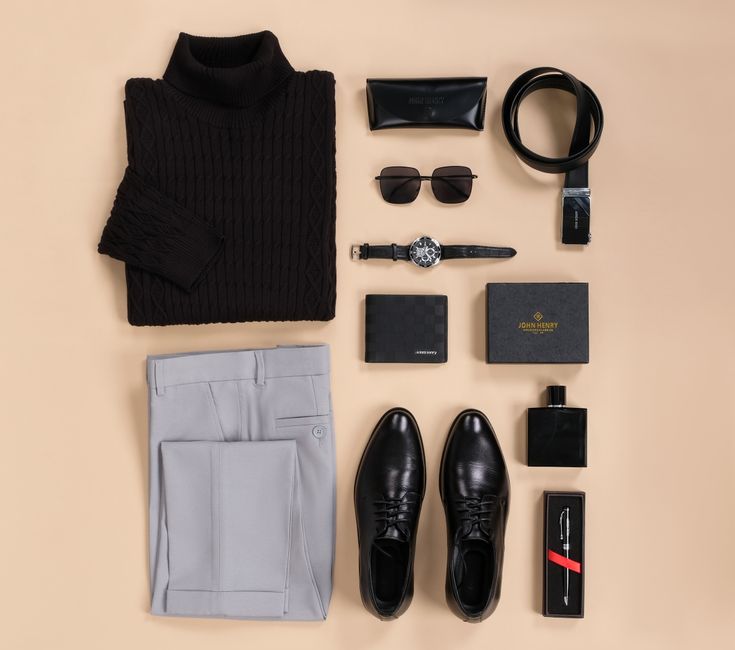
Laying the Foundation: Your Travel Wardrobe Blueprint
Before diving into specific items, let’s outline the core principles that will guide your selections. This isn’t just about throwing clothes into a suitcase; it’s about strategic planning for maximum utility.
- Versatility is King: Every item should ideally be wearable in at least two different outfits or scenarios. Think pieces that can be dressed up or down.
- Layering for Any Climate: European weather, much like American weather, can be unpredictable. Layers are your best friend for adapting to changing temperatures without needing entirely new outfits.
- Comfort is Non-Negotiable: You’ll be walking, sitting, and exploring. Fabrics that breathe, stretch, and resist wrinkles will be invaluable.
- Durability and Quality: Invest in well-made garments that can withstand repeated wear and washing on the road. Sustainable fashion choices often align with this principle.
- Color Palette Cohesion: Stick to a complementary color scheme (e.g., neutrals with one or two accent colors) to maximize mix-and-match potential.
- Cultural Appropriateness: While major cities in the US and Europe are generally fashion-forward, some destinations might lean more conservative. Err on the side of smart casual.
- Pack Light: Airlines have luggage restrictions, and hauling heavy bags through train stations is no fun. A lighter load means greater mobility and less stress.
The Core Components: Building Your Menswear Essentials
When you set out to build a men’s travel wardrobe for Europe and the US, think ‘capsule wardrobe’ – a curated collection designed to be interchangeable. This approach is not about strict minimalism but intelligent selection.
Outerwear: The First Line of Defense and Style
Your choice of outerwear is crucial, as it’s often the first thing people notice and your primary defense against the elements.
- Lightweight, Water-Resistant Jacket: A stylish anorak, a technical trench coat, or a sleek bomber jacket in a neutral color (navy, charcoal, black) is indispensable. It should be light enough to pack easily but offer protection from a sudden European shower or a cool evening breeze in San Francisco. Brands like Patagonia or North Face offer functional yet stylish options, while a classic trench from Burberry (even a more affordable imitation) adds instant sophistication.
- Blazer or Sport Coat: A well-fitting, unstructured blazer in wool or a wrinkle-resistant blend is a practical advantage. It instantly elevates a t-shirt and jeans for a smart casual dinner in Milan or a business meeting in London. Choose a versatile color like navy or grey.
Shirts: The Foundation of Versatility
Focus on a mix of casual and slightly more formal options.
Sustainable Men’s Fashion: What Materials Are Worth Buying for a Lasting Wardrobe
- Classic Oxford Shirts (2-3): In white, light blue, or a subtle stripe. These can be dressed down with jeans or up with chinos and a blazer. They’re perfect for almost any occasion, from visiting museums in Berlin to a nice dinner in New York.
- High-Quality T-Shirts (3-4): Neutral colors (white, black, grey, navy) in breathable fabrics like cotton or a merino wool blend. Avoid graphic tees for travel; plain is always more versatile.
- Polo Shirts (1-2): A step up from a t-shirt, great for warm weather or slightly more refined casual settings, whether you’re strolling through Rome or enjoying a craft beer in Portland.
Trousers: Comfort Meets Style
Variety here is key to adapting to different settings.
- Dark Wash Jeans (1 pair): A well-fitting, straight-leg or slim-fit dark wash jean is incredibly versatile. They work for almost everything except the most formal occasions. Avoid distressed or overly trendy styles.
- Chino Trousers (1-2 pairs): In versatile colors like khaki, olive, or navy. Chinos bridge the gap between casual and smart casual, suitable for exploring city centers or a relaxed evening out.
- Wool Trousers (optional, 1 pair): If your trip includes formal business meetings or high-end dining, a pair of charcoal or navy wool trousers will serve you well. Choose a wrinkle-resistant fabric.
Footwear: The Most Important Choice
You’ll be doing a lot of walking. Prioritize comfort without sacrificing style.
- Comfortable, Stylish Sneakers (1 pair): Think sleek leather sneakers (e.g., Common Projects, Adidas Stan Smiths) or minimalist athletic shoes. They should be clean and presentable enough for casual dinners and extensive walking.
- Smart Casual Shoes (1 pair): Loafers, Chelsea boots, or chukka boots in leather or suede. These are perfect for elevating an outfit for dinners, theater, or nicer occasions. They also offer good support for walking.
- Dress Shoes (optional, 1 pair): Only if your itinerary demands formal wear. Otherwise, your smart casual shoes can often suffice.

Accessories: The Finishing Touches
Small items that make a big difference.
- Belt: A classic leather belt in brown or black that matches your shoes. A reversible belt is a clever space-saver.
- Socks (5-7 pairs): A mix of breathable cotton or merino wool crew socks and some no-show socks for sneakers.
- Underwear (5-7 pairs): Quick-drying fabrics are a bonus.
- Scarf: A lightweight wool or linen scarf can add style, warmth, and even sun protection. Essential for cooler European evenings.
- Sunglasses: Protect your eyes and add a touch of cool, whether you’re in Seville or Santa Monica.
- Small Messenger Bag or Backpack: For day trips, carrying essentials like a water bottle, guidebook, and camera. Choose a sleek, anti-theft design.
Strategic Packing: Making it All Fit
Once you’ve curated your selections to build a men’s travel wardrobe for Europe and the US, the next step is packing it efficiently.
- Rolling vs. Folding: Rolling clothes can minimize wrinkles and save space. Experiment to see what works best for your fabrics.
- Packing Cubes: These are a practical advantage for organization. They compress clothes, make it easy to separate outfits, and keep your suitcase tidy.
- Wear Your Bulkiest Items: Wear your heaviest shoes and jacket on the plane to save space and weight in your luggage.
- Toiletries: Decant liquids into travel-sized containers or opt for solid alternatives to save space and avoid leaks.
- Laundry Strategy: Plan to do laundry. Many hotels offer services, or you can find laundromats. Packing fewer items means you’ll need to wash more frequently.
Navigating Europe vs. US Style Nuances
While the core capsule wardrobe principles apply across both continents, there are subtle differences to consider when you build a men’s travel wardrobe for Europe and the US.
- Europe: Generally leans towards a slightly more polished and tailored aesthetic. Italians, for example, often favor sharp tailoring and quality fabrics even in casual settings. Layers are crucial. Smart casual is often the default, even for sightseeing. Jeans are acceptable, but typically dark, well-fitting, and not distressed.
- United States: Style varies significantly by region. Coastal cities like New York and Los Angeles can be very fashion-forward, while more central or southern regions might be more relaxed. Comfort is highly valued. Dress codes can be more casual, but a well-put-together smart casual look will always be appreciated, especially in professional or upscale dining settings.
Ultimately, a confident, well-dressed traveler is one who feels comfortable and appropriately attired for their surroundings. By focusing on quality, versatility, and thoughtful curation, your travel wardrobe will serve you well across any border.
Men’s Capsule Wardrobe for 2026: A Practical Starter Guide
FAQ: Essential Travel Wardrobe Questions
What are the most useful men’s wardrobe essentials for travel?
The most useful men’s wardrobe essentials for travel include dark wash jeans, chino trousers, versatile button-down shirts (Oxford cloth), high-quality plain t-shirts, a lightweight water-resistant jacket, a versatile blazer, comfortable yet stylish sneakers, and smart casual loafers or boots. These pieces offer maximum interchangeability for various climates and occasions across Europe and the US.
How do I create a capsule wardrobe for diverse climates?
To create a capsule wardrobe for diverse climates, focus on layering. Include base layers like merino wool t-shirts, mid-layers like sweaters or button-downs, and versatile outerwear such as a lightweight rain jacket and a packable blazer. Choose breathable fabrics like cotton, linen, and merino wool, which regulate temperature effectively and dry quickly, adapting to both warm and cool conditions.
Are jeans acceptable for smart casual in Europe?
Yes, dark wash, well-fitting, and non-distressed jeans are generally acceptable for smart casual occasions in most parts of Europe. Pair them with a button-down shirt, a polo, or a quality t-shirt with a blazer or a stylish jacket. Avoid overly casual or ripped jeans for anything beyond very informal settings, especially in southern Europe or during evenings.
What kind of shoes are best for extensive walking in cities?
For extensive walking in cities, prioritize comfortable yet stylish sneakers or well-broken-in leather boots/loafers with good arch support. Brands known for comfort and style like Ecco, Cole Haan, or even minimalist lifestyle sneakers from brands like Veja or Common Projects are excellent choices. Avoid brand-new shoes or flip-flops for long walking days.
How can I maintain my clothes while traveling without a laundry service?
To maintain clothes without a laundry service, pack quick-drying fabrics and learn basic hand-washing techniques. Utilize travel-sized detergent packets or solid soap bars. Hang clothes to dry overnight, ideally near a window or with good airflow. For wrinkles, hang items in the bathroom while showering or use a travel-sized wrinkle release spray.
Key Takeaways for Your Next Adventure
Building a truly effective men’s travel wardrobe for Europe and the US boils down to a few core principles. First, **prioritize versatility and interchangeability**; every item should earn its space in your luggage by being able to serve multiple purposes. Second, **invest in quality and durable fabrics** that can withstand the rigors of travel and adapt to varying climates. Merino wool, performance cottons, and wrinkle-resistant blends are your allies. Finally, **think ‘smart casual’ as your default**—this aesthetic provides the flexibility to blend in comfortably across a wide range of social and cultural contexts, from exploring ancient ruins to attending a modern art exhibition.
By thoughtfully curating your menswear essentials, you’ll not only pack lighter but also travel with the confidence that you’re prepared for anything, looking sharp and feeling comfortable, wherever your journey takes you. A well-planned wardrobe frees you to focus on the experience, not your attire.
Explore more men’s guides on GoTrendlin for further insights into stylish and practical living.