

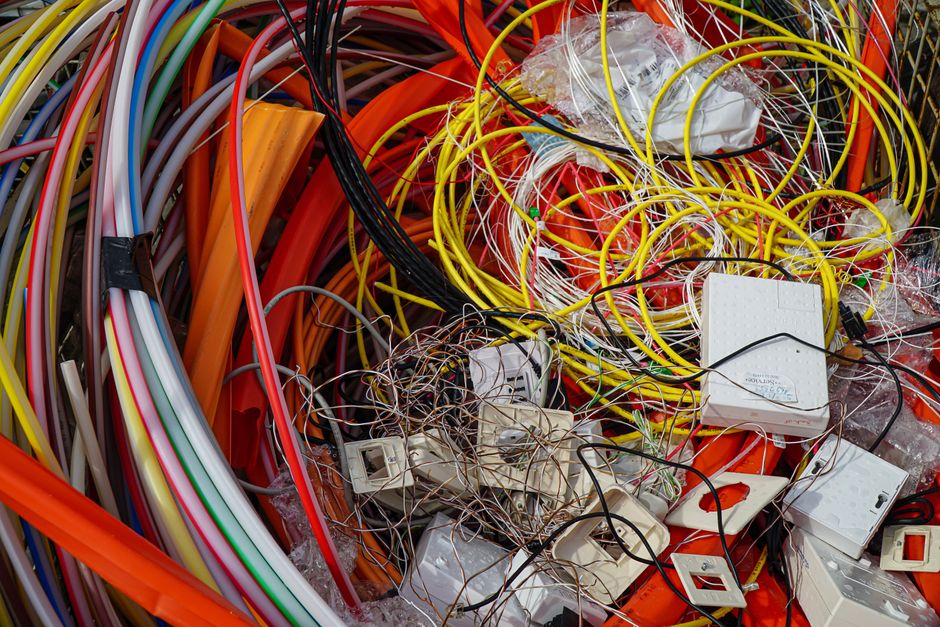
Responsible recycling of old electronics, or e-waste, in the US and Europe primarily involves finding certified recyclers, understanding local regulations, and properly preparing devices to protect data. Technology tools and digital resources play a crucial role by providing accessible information on collection points, certifying disposal processes, and offering secure data wiping solutions. These tools solve common everyday problems like locating the nearest e-waste drop-off, understanding country-specific laws (e.g., WEEE in Europe, state laws in the US), and ensuring personal data, which often includes sensitive AI productivity and smart home data, doesn’t fall into the wrong hands during disposal.
That old smartphone gathering dust in a drawer, the forgotten laptop from a previous job, or even a defunct smart home device – they all represent a challenge once their useful life ends. Simply throwing them out isn’t an option. Electronic waste, or e-waste, is the fastest-growing waste stream globally, and improper disposal poses significant environmental and health risks due to hazardous materials like lead, mercury, and cadmium.
For many, the process feels daunting. What do you do with a device that still holds personal data? Where do you even take it? This guide simplifies the journey, showing you how to manage your old technology and digital tools responsibly, whether you’re navigating regulations in the United States or across Europe, ensuring both environmental protection and your digital privacy.
Understanding the E-Waste Challenge Across Continents
The sheer volume of electronic devices we consume and discard highlights the urgency of responsible recycling. From AI productivity tools on our laptops to the privacy settings on our smartphones, the technology we use is integral to modern life, but its end-of-life management is often overlooked. Regulations and infrastructure for handling e-waste vary significantly, creating a fragmented picture across different regions.
In Europe, the Waste Electrical and Electronic Equipment (WEEE) Directive provides a comprehensive framework, placing responsibility on producers and ensuring collection targets. Countries like Germany, France, and the UK have well-established collection schemes, often linked to retail take-back programs or municipal facilities. In the US, there’s no single federal law dictating e-waste recycling; instead, it’s a patchwork of state-level regulations. California, New York, and Texas, for instance, have solid take-back laws, while others rely more on voluntary programs and local initiatives. This distinction means that how you recycle old electronics responsibly can depend heavily on your exact location.
Individuals responsibly dropping off old electronics at a designated recycling center.
Practical Steps to Recycle Old Electronics Responsibly
Before you even think about dropping off your old gadget, preparation is key. This isn’t just about convenience; it’s about cybersecurity and ensuring your privacy.
1. Securely Wipe Your Data
This is arguably the most critical step, especially for devices that stored personal, work, or smart home data. A simple factory reset often isn’t enough. For smartphones and tablets, encryption combined with a factory reset is a good start. For computers, consider using data wiping software (e.g., DBAN for hard drives, secure erase utilities for SSDs). Many certified recyclers offer data destruction services, sometimes for a fee, providing a certificate of destruction for peace of mind. For remote work setups, ensure company policies on data destruction are followed.
2. Remove Personal Storage and Peripherals
Take out SIM cards, memory cards, and any removable hard drives. Unplug all cables, mice, keyboards, and other peripherals you might want to keep or dispose of separately.
3. Identify the Type of E-Waste
E-waste isn’t monolithic. Categories often include large household appliances, small household appliances, IT and telecommunications equipment (laptops, phones), consumer equipment (TVs, radios), lighting equipment, and medical devices. Knowing the category helps in finding the right recycling stream.
Tonies Audio Experience: A Complete Guide to Creative Learning and Screen-Free Play
4. Find Certified Recycling Programs
Look for programs certified by organizations like e-Stewards or R2 (Responsible Recycling) in the US, or those adhering strictly to WEEE standards in Europe. These certifications indicate that recyclers follow stringent environmental and data security practices. Many electronics retailers (e.g., Best Buy in the US, major electronics chains across Europe) offer take-back programs for certain items, regardless of where they were purchased.
5. Utilize Manufacturer Take-Back Schemes
Many major manufacturers, from Apple to Samsung, Dell to HP, offer their own recycling programs. These can be particularly convenient for their own branded products and often ensure proper recycling channels. Check their official websites for details.
6. Explore Local Authority and Municipal Options
In many US cities and European towns, local waste management authorities run e-waste collection days or have permanent drop-off points. These are often free and accessible. Websites of your local council or municipality are the best starting point.
7. Consider Donation or Resale
If a device is still functional, even if it’s no longer ‘new,’ consider donating it to charities, schools, or community programs. Reselling through platforms like eBay or local marketplaces also gives devices a second life, reducing waste. Remember to wipe data meticulously first!
8. Understand Battery Recycling
Batteries often require separate handling due to their hazardous nature. Look for battery collection points, often found in supermarkets, DIY stores, or dedicated recycling centers. In the EU, the Battery Directive governs this, while in the US, programs like Call2Recycle are prevalent.
Comparing E-Waste Disposal Options
Choosing the right method for your old electronics depends on factors like convenience, cost, and your location. Here’s a brief comparison:
| Option | Pros | Cons | Best For | Geo Focus |
|---|---|---|---|---|
| Certified Recyclers (e-Stewards/R2/WEEE compliant) | Most secure data destruction, environmentally sound. | May require traveling, potential fees for some items. | Sensitive data devices, bulk disposal. | US, UK, Germany, France, Italy, Spain, Poland (all primary GEOs) |
| Retailer Take-Back Programs | Convenient, often free for specific products/brands. | Limited to certain items, specific brands, or purchase history. | Small electronics, common consumer devices. | US, UK, Germany, France, Italy, Spain, Poland (all primary GEOs) |
| Manufacturer Programs | Ensures brand-specific recycling, sometimes offers incentives. | Limited to manufacturer’s own products. | Specific brand devices (e.g., Apple, Dell, Samsung). | Global (with local variations in US/EU) |
| Municipal Drop-Offs / Collection Events | Free, accessible, supports local community. | Hours may be limited, can involve queues. | General e-waste, occasional disposal. | Local communities in US, UK, Germany, France, Italy, Spain, Poland |
| Donation/Resale | Extends device life, potential financial return. | Requires data wiping, device must be functional. | Working devices, reducing consumption. | Local & online communities in US/EU |
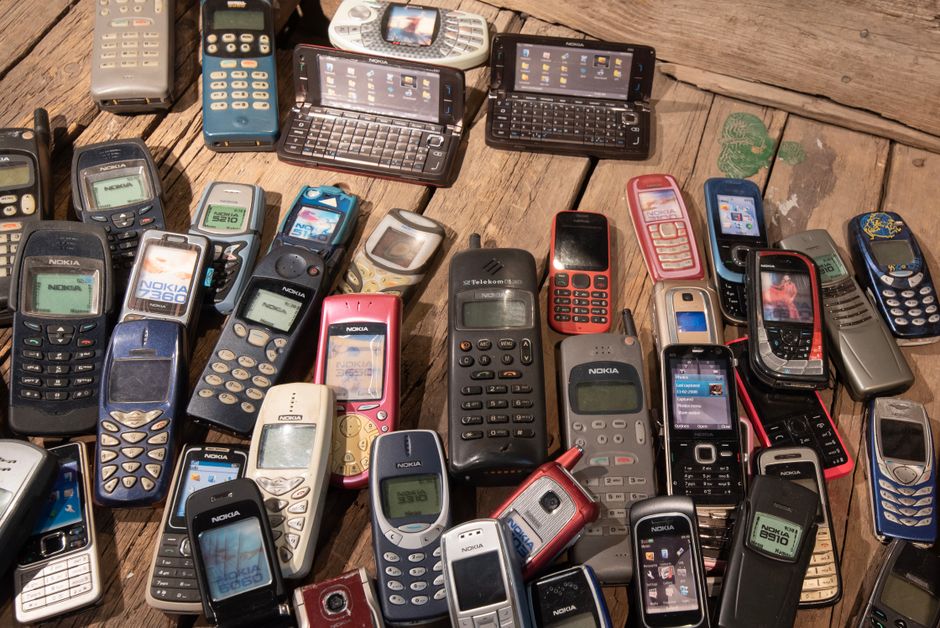
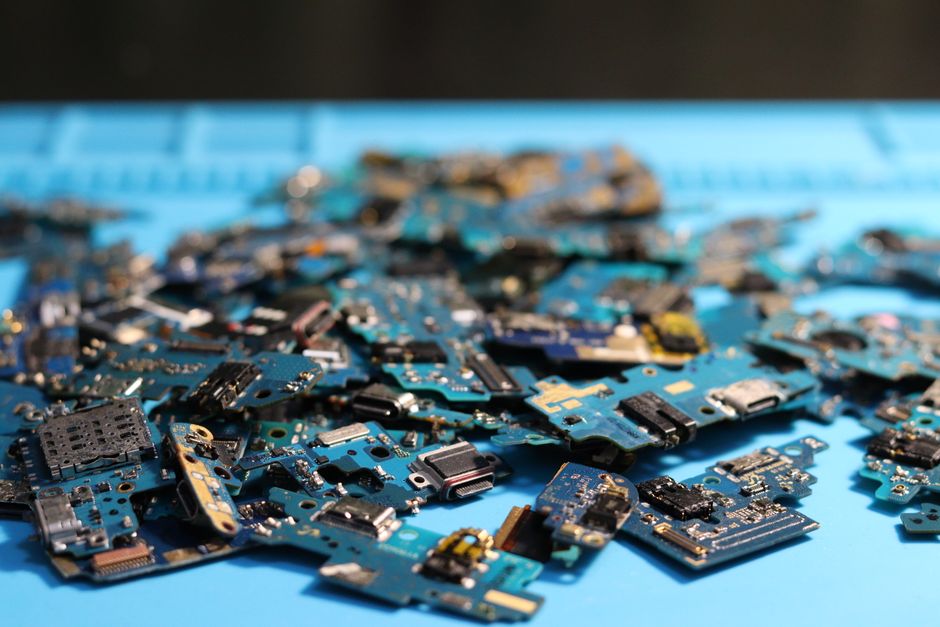
A close-up of various types of e-waste, including circuit boards and old mobile phones, awaiting recycling.
Common Mistakes to Avoid When Disposing of Old Electronics
Many common pitfalls can turn a good intention into an environmental or security risk. Understanding these can help ensure you recycle old electronics responsibly.
A common mistake is simply performing a ‘factory reset’ and assuming all data is gone. For most devices, particularly those with flash memory or hard drives, a factory reset only removes pointers to data, leaving the underlying information potentially recoverable with specialized tools. This is a significant cybersecurity risk, especially with the prevalence of remote work and sensitive AI productivity data on personal devices. Always use secure data wiping software or services.
Best Privacy Settings to Change on Your Phone Today
Another frequent oversight is mixing e-waste with general household trash. This is illegal in many regions (both in the US and throughout Europe) and ensures hazardous materials end up in landfills, contaminating soil and water. Always separate e-waste and take it to designated collection points.
Trusting any ‘recycler’ without checking their credentials is also problematic. Uncertified recyclers might ship e-waste to developing countries where it’s processed under unsafe conditions, or simply strip valuable metals and dump the rest. Always verify certifications like e-Stewards or R2 in the US, or confirm adherence to WEEE directives in Europe.
Finally, neglecting smaller items like cables, chargers, and old remote controls. While seemingly insignificant, these items add up and contain valuable materials and sometimes hazardous substances. They should be recycled alongside larger electronics, often through the same channels.
FAQ: Answering Your Key Questions on E-Waste Recycling
Which technology tools solve common everyday problems related to e-waste?
Technology tools primarily solve e-waste problems by simplifying access to information and resources. Online search engines and dedicated e-waste locator apps (often provided by local authorities or certified recyclers) help users find the nearest drop-off points. Secure data wiping software addresses the critical privacy concern by ensuring personal and AI productivity data is unrecoverable. Furthermore, manufacturer websites often provide digital return labels and instructions for take-back programs.
Is it better to donate or recycle old electronics?
It’s generally better to donate old electronics if they are still in good, working condition. Donation gives the device a second life, reducing overall demand for new products and helping those in need. If the device is broken, obsolete, or non-functional, then recycling is the responsible choice to recover materials and prevent hazardous substances from entering landfills.
How does recycling old electronics protect my privacy?
Responsible recycling protects your privacy primarily through secure data destruction. Certified recyclers use specialized software and physical destruction methods to ensure that any personal data remaining on your device, including smart home configurations or remote work files, is unrecoverable. This prevents identity theft and unauthorized access to your information after disposal.
What are the legal implications of not recycling e-waste in Europe?
In Europe, the WEEE Directive mandates separate collection and recycling of e-waste. Non-compliance can lead to fines for individuals and businesses, depending on the country and the scale of the violation. For example, in Germany, improper disposal can result in significant penalties, underscoring the legal imperative to recycle old electronics responsibly.
Can I recycle my smart home devices?
Yes, most smart home devices, from smart speakers to thermostats and security cameras, fall under e-waste categories and should be recycled responsibly. Before recycling, ensure you perform a factory reset, disconnect the device from your smart home network, and ideally, physically remove any connected storage or batteries if possible. This safeguards your home network security and personal data.
What is the WEEE Directive?
The WEEE (Waste Electrical and Electronic Equipment) Directive is a European Union law that aims to reduce e-waste and promote recycling. It requires producers to be responsible for their products’ end-of-life management, mandates collection and recycling targets for member states, and encourages consumers to properly dispose of their electronic devices at designated collection points.
Taking the time to responsibly manage your old electronics benefits both the environment and your personal security. By following these practical steps, whether in the bustling cities of the US or across the diverse landscapes of Europe, you contribute to a more sustainable future. To explore more guides on technology and digital tools, visit GoTrendlin.