


A simple beauty routine for everyday use, especially for dry and sensitive skin, focuses on gentle cleansing, deep hydration, and robust protection. Begin with a mild, pH-balanced cleanser to avoid stripping natural oils. Follow with a hydrating serum containing ingredients like hyaluronic acid or ceramides, then lock it all in with a rich, occlusive moisturizer designed for sensitive skin. Conclude with a broad-spectrum sunscreen, even on cloudy days, to shield the delicate skin barrier from UV damage. This approach supports the skin’s natural defenses without overwhelming it with too many products.
Navigating the world of skincare can feel overwhelming, especially when you have dry and sensitive skin. The market is flooded with products, and knowing where to start – or what to cut out – can be a real challenge. But a healthy, happy complexion doesn’t require a ten-step regimen or exotic ingredients. What it truly needs is a focus on strengthening your skin’s natural defenses: its skin barrier.
Whether you’re a beauty beginner, a busy professional dashing between meetings, or a frequent traveler experiencing different climates, understanding and implementing a simple beauty essentials and skincare skin barrier routine for dry and sensitive skin is foundational. This guide cuts through the noise, offering practical, evidence-aware advice to soothe, protect, and restore your complexion without adding stress to your day.
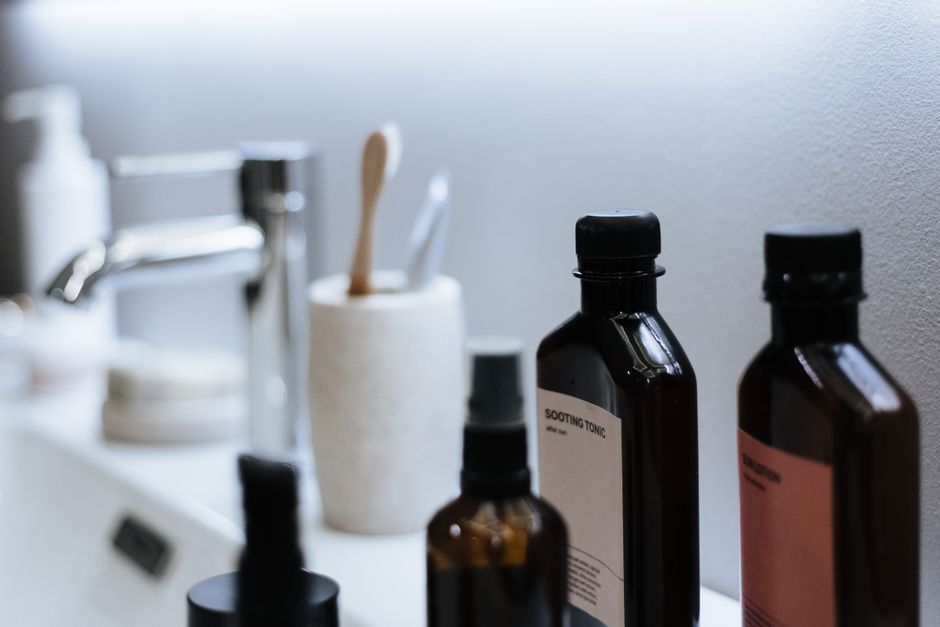
Understanding Your Skin Barrier: The Unsung Hero
Think of your skin barrier like a protective wall. It’s the outermost layer of your skin, composed of skin cells and lipids, working diligently to keep good things (like hydration) in and bad things (like irritants, pollutants, and bacteria) out. When this barrier is compromised – perhaps by harsh cleansers, environmental stressors, or even just genetics – your skin becomes vulnerable. This often manifests as dryness, redness, itching, and increased sensitivity. For dry and sensitive skin types, this ‘wall’ is often already a bit weaker or more prone to damage, making intentional care even more crucial.
Repairing and maintaining this barrier isn’t about miracle cures; it’s about consistency and choosing the right beauty essentials and skincare. Your routine should be gentle, supportive, and focused on replenishing the building blocks of a strong skin barrier. This means avoiding anything that strips the skin and embracing ingredients that soothe and hydrate.
Why Less Is More for Sensitive Skin
A common mistake when skin feels irritated is to pile on more products, hoping one of them will fix the issue. In practice, this often exacerbates the problem. Each new product introduces potential allergens, fragrances, or active ingredients that could further irritate an already compromised skin barrier. For dry and sensitive skin, a minimalist approach allows your skin to heal and reduces the likelihood of adverse reactions. Focus on core steps and high-quality, barrier-supportive ingredients rather than a vast collection of potions.
The Core Pillars of Your Simple Skin Barrier Routine
Building an effective, simple beauty essentials and skincare skin barrier routine for dry and sensitive skin boils down to three key stages: cleansing, treating/hydrating, and protecting. Each step plays a vital role in supporting your skin’s health.
1. Gentle Cleansing: The Foundation
Starting clean is essential, but for dry and sensitive skin, ‘clean’ doesn’t mean ‘squeaky clean.’ That tight, stripped feeling after washing indicates your cleanser is too harsh. It’s likely removing vital natural oils and lipids that your skin barrier needs. Instead, opt for creamy, hydrating, or oil-based cleansers that remove impurities without stripping the skin.
Glowria Beauty Box – Monthly Skincare & Makeup Deals Delivered to You
- Choose Wisely: Look for cleansers labeled ‘gentle,’ ‘hydrating,’ ‘cream-based,’ or ‘for sensitive skin.’ Products from brands like La Roche-Posay, Avène, or CeraVe, widely available across the US, UK, Germany, and France, are often excellent choices. They prioritize minimal ingredients and often contain ceramides or hyaluronic acid.
- Temperature Matters: Use lukewarm water, never hot. Hot water can further dehydrate and irritate sensitive skin.
- Technique: Gently massage the cleanser onto damp skin for about 30 seconds, then rinse thoroughly. Pat your skin dry with a soft towel – don’t rub!
2. Hydrate & Treat: Replenish and Repair
Once cleansed, your skin is ready to drink up moisture and receive barrier-repairing ingredients. This step is crucial for soothing dryness and fortifying your skin’s natural defenses.
Serums and Essences: Targeted Support
While not strictly essential for a ‘simple’ routine, a hydrating serum can be a practical advantage for dry and sensitive skin. Look for ingredients that mimic your skin’s natural components:
- Hyaluronic Acid: A humectant that draws moisture from the air into your skin. Even brands like The Ordinary or Inkey List, popular in the UK and expanding across Europe, offer affordable, effective options.
- Ceramides: These are lipids that are crucial components of your skin barrier. Replenishing them helps ‘patch’ any gaps in your protective wall. Many moisturizers also contain ceramides.
- Niacinamide (Vitamin B3): Can help calm redness and strengthen the skin barrier. Start with lower concentrations (2-5%) if you’re sensitive.
Apply serums to slightly damp skin to maximize absorption, allowing a minute or two for them to sink in before moving to your moisturizer.
Moisturizer: The Barrier’s Best Friend
This is arguably the most critical step for dry and sensitive skin. A good moisturizer acts as an occlusive layer, sealing in hydration and providing a physical barrier against external irritants. For night time, especially, consider a richer cream.
- Ingredients to Seek: Look for formulas rich in emollients (like fatty acids, ceramides, cholesterol), humectants (hyaluronic acid, glycerin), and occlusives (petrolatum, squalane, shea butter).
- European Favorites: Brands like Eucerin and Bioderma, readily found in pharmacies throughout Germany, France, Italy, and Spain, often have excellent, fragrance-free options specifically designed for compromised skin barriers. In the US, brands like Vanicream or First Aid Beauty are highly regarded.
- Application: Apply generously to your face and neck while your skin is still slightly damp from your serum (if using) or cleansing. This helps trap the moisture.
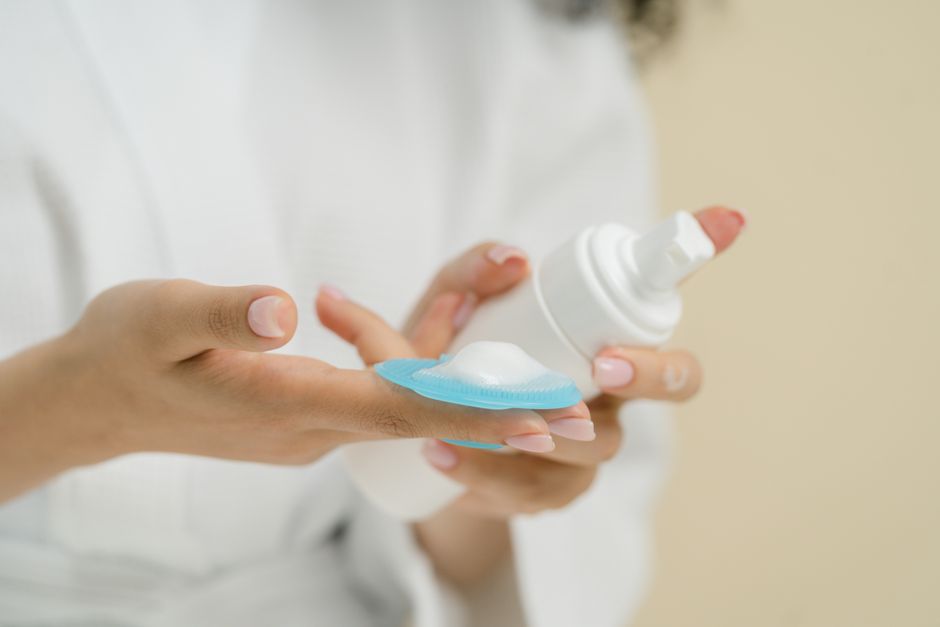
3. Sunscreen: Non-Negotiable Protection
No simple beauty essentials and skincare skin barrier routine for dry and sensitive skin is complete without daily sunscreen. UV radiation is one of the most significant aggressors to the skin barrier, leading to dryness, premature aging, and increased sensitivity. This step is not just for sunny beach days; it’s for every single day, rain or shine, indoors or out.
- Broad-Spectrum SPF 30+: Always choose a broad-spectrum sunscreen with an SPF of 30 or higher. This protects against both UVA (aging) and UVB (burning) rays.
- Mineral vs. Chemical: For sensitive skin, mineral sunscreens (containing zinc oxide and/or titanium dioxide) are often preferred as they sit on top of the skin and are less likely to cause irritation compared to some chemical filters. Many European brands, especially from France and Germany, offer elegant mineral formulations.
- Application: Apply as the very last step in your morning routine. Use a generous amount – about a quarter teaspoon for your face and neck. Reapply every two hours if you’re outdoors or sweating.
Beyond the Basics: Gentle Exfoliation and Retinol (with caution!)
While the focus is on a simple routine, you might eventually wonder about other active ingredients like exfoliants or retinol. For dry and sensitive skin, introduce these with extreme caution, and only once your skin barrier feels consistently healthy and solid.
Exfoliation: Gentle is Key
Over-exfoliation can severely damage the skin barrier. If you feel the need to exfoliate, opt for chemical exfoliants like PHAs (polyhydroxy acids) or lactic acid, which are much gentler than AHAs or BHAs. Start with a very low concentration, once a week at most, and observe your skin’s reaction closely. Products designed for sensitive skin in pharmacies across Poland, Italy, and Spain often feature milder exfoliating options.
Retinol: A Slow Introduction
Retinol is a powerful anti-aging ingredient but can be very irritating for sensitive skin, especially when first introduced. If you choose to use retinol, start with the lowest concentration possible (e.g., 0.01-0.03%), once or twice a week, mixed with your moisturizer. Gradually increase frequency and strength only if your skin tolerates it well. Always apply it at night and ensure diligent sunscreen use during the day, as retinol makes your skin more sensitive to the sun. Some dermatologists in Germany and the US recommend the ‘sandwich method’ – applying moisturizer, then retinol, then more moisturizer – to buffer its effects.
A Practical Retinol Beginner Guide for Adults: Unlocking Skincare Potential
Practical Tips for Busy Adults and Travelers
Maintaining a simple beauty essentials and skincare skin barrier routine for dry and sensitive skin doesn’t have to be cumbersome, even with a hectic schedule or when exploring new places.
- Streamline Your Products: Opt for multi-tasking products where sensible, like a cleanser that also hydrates, or a moisturizer with barrier-repairing ceramides.
- Travel-Sized Essentials: Invest in travel-sized versions of your core products or decant them into smaller containers to avoid compromising your routine on the go. Many European pharmacy brands offer convenient mini sizes.
- Hydration on the Go: Carry a small facial mist (alcohol-free) to spritz throughout the day, especially in dry environments like airplane cabins.
- Climate Awareness: Adjust your routine slightly for different climates. In humid environments, you might use a lighter moisturizer; in dry, cold conditions, a richer cream is beneficial.
- Consistency is Key: Even if you’re tired, stick to your basic cleanse, moisturize, and SPF routine. Skipping steps can quickly undo your progress.
FAQ: Your Simple Skin Barrier Routine Questions Answered
What makes skin sensitive?
Sensitive skin often has a weakened skin barrier, which allows irritants to penetrate more easily and moisture to escape. This can be due to genetics, environmental factors like pollution, harsh skincare products, or underlying conditions like rosacea or eczema. It manifests as redness, itching, stinging, and dryness, reacting easily to new products or external triggers.
Can I use makeup with sensitive skin?
Yes, you can use makeup with sensitive skin, but choose products carefully. Look for ‘fragrance-free,’ ‘hypoallergenic,’ and ‘non-comedogenic’ labels. Mineral-based foundations and concealers can be a good choice as they often contain fewer irritating ingredients. Always remove all makeup thoroughly but gently at the end of the day to prevent irritation and clogged pores.
How often should I cleanse my face with dry, sensitive skin?
For dry and sensitive skin, cleansing once a day in the evening is usually sufficient to remove dirt, makeup, and sunscreen. In the morning, a simple rinse with lukewarm water might be enough, or a very quick, gentle cleanse if you feel the need. Over-cleansing can strip the skin and further compromise your skin barrier.
What ingredients should I avoid for a compromised skin barrier?
When your skin barrier is compromised, avoid harsh sulfates (common in foaming cleansers), strong fragrances (natural or synthetic), essential oils, drying alcohols, and aggressive physical exfoliants. High concentrations of active ingredients like retinoids or AHAs should also be avoided or introduced extremely slowly and cautiously until the barrier has recovered.
Is a facial oil good for dry, sensitive skin?
Facial oils can be beneficial for dry, sensitive skin as they provide occlusive properties to seal in moisture and can deliver nourishing fatty acids. Look for non-comedogenic oils like squalane, argan, jojoba, or rosehip oil. Apply them as the last step in your routine, after your moisturizer, to lock everything in. Always patch test first, especially with sensitive skin.
How long does it take to repair a damaged skin barrier?
Repairing a damaged skin barrier typically takes time and consistent effort. While you might notice improvements in a few days, full restoration can take anywhere from a few weeks to several months, depending on the extent of the damage and your commitment to a gentle, supportive routine. Patience and consistency with your beauty essentials and skincare are paramount.
Final Thoughts on Your Simple Skin Barrier Routine
Adopting a simple beauty essentials and skincare skin barrier routine for dry and sensitive skin is an investment in your long-term skin health and comfort. By prioritizing gentle care, deep hydration, and consistent protection, you empower your skin to do what it does best: protect you. Remember, less is often more, and consistency triumphs over complexity. Your skin will thank you for the thoughtful, deliberate approach.
To explore more beauty guides and practical skincare advice, visit GoTrendlin.