


When choosing an everyday bag, you should prioritize functionality, durability, and ergonomic comfort. Look for clever internal organization, such as padded sleeves for electronics (laptop protection is key for professionals), secure pockets for valuables, and external quick-access compartments. Materials should be robust and weather-resistant, especially for daily commuters in varying climates across the US, UK, or Germany. An anti-theft design, often incorporating hidden zippers or RFID-blocking pockets, provides crucial peace of mind, whether you’re navigating crowded city centers like London or exploring the historic districts of Rome. Finally, consider the carrying style – crossbody, backpack, or tote – that best suits your daily activities.
We’ve all been there: staring at a seemingly compact bag, only to find it’s a bottomless pit or, worse, a jumbled mess where finding your keys feels like an archaeological dig. The promise of a small, sleek bag often collides with the reality of needing to carry more than just your phone and wallet. For daily commuters in New York, students in Berlin, or travelers exploring the French Riviera, the quest for the perfect compact companion is universal.
It’s a balancing act: you want portability and discretion, but without sacrificing the practical utility needed for work, travel, or just navigating the demands of everyday life. The good news is that advancements in bag design mean you no longer have to choose between a minimalist aesthetic and surprisingly useful storage. Smart engineering can transform a small footprint into a highly organized and efficient carrying solution.
This guide cuts through the clutter to help you identify the best bags for travel and work – those small bags with surprisingly useful storage for daily life – that genuinely deliver on their promise, keeping your essentials secure and accessible without the bulk.
The Modern Need for Organized Portability
Our daily lives demand versatility. Whether you’re catching a train from London King’s Cross, cycling through Amsterdam, or flying out of Frankfurt, the items we carry are increasingly diverse: a laptop for work, a tablet for entertainment, a phone, chargers, a water bottle, maybe a book, and all the small personal items that make life smoother. A large, unwieldy bag might fit everything, but it often hinders mobility and contributes to shoulder strain. Conversely, a stylish but unorganized small bag can lead to frustration and lost time.
The sweet spot lies in intelligent design. Manufacturers are responding to the demand for small bags that don’t compromise on capacity or organization. This often means external pockets cleverly integrated into the silhouette, internal dividers that create dedicated homes for gadgets, and features that enhance security without adding bulk. The focus has shifted from sheer volume to efficient volume – making every cubic inch count through thoughtful layout and access.
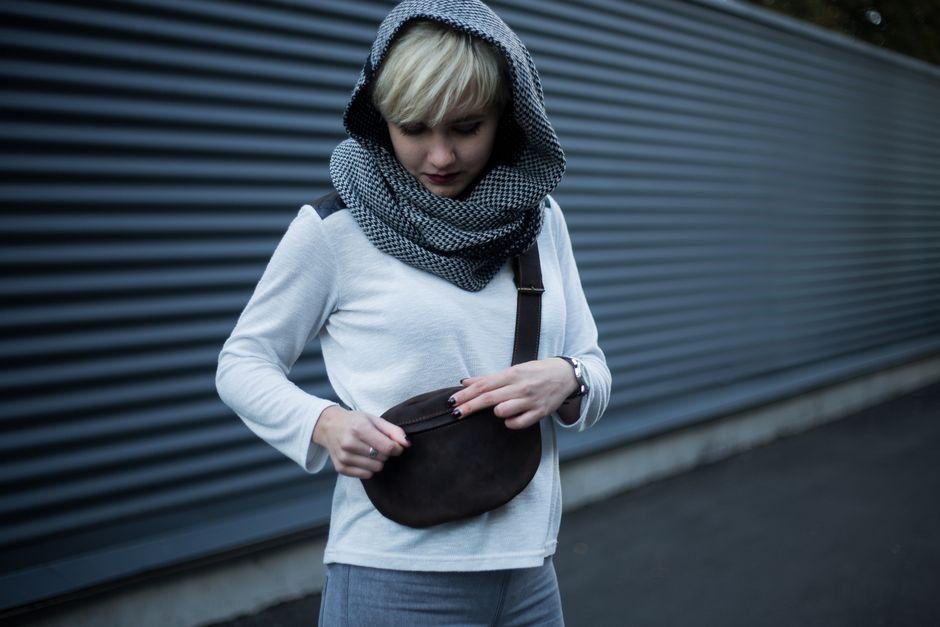
Key Features to Seek in Your Next Small Bag
When you’re evaluating options for the best bags for travel and work, especially small bags with surprisingly useful storage for daily life, keep these features in mind:
1. Intelligent Internal Organization
Forget the single main compartment. Look for bags with multiple internal pockets, including zippered sections for valuables, elasticated sleeves for water bottles or umbrellas, and mesh pockets for smaller items like cables or headphones. A well-designed interior prevents items from jumbling together and makes retrieval effortless.
2. Dedicated Laptop Protection and Tech Sleeves
For many, a laptop or tablet is non-negotiable. Ensure the bag features a padded, suspended sleeve that keeps your device safe from bumps and drops. This is particularly crucial for commuters on public transport in cities like Paris or Rome. Check the dimensions carefully to ensure your specific laptop (e.g., 13-inch, 14-inch) will fit comfortably.
How to Choose the Best Laptop Bag for Remote Work and Commuting
3. Anti-Theft Design Elements
Peace of mind is priceless, especially in crowded tourist areas or busy commuter hubs. Look for features like lockable zippers, RFID-blocking pockets (useful for protecting credit cards and passports from digital skimming), hidden pockets for cash or keys, and slash-resistant materials. An anti-theft design isn’t just about preventing theft; it’s about reducing anxiety.
4. Durability and Weather Resistance
Your everyday bag will face the elements, from sudden rain showers in Manchester to dusty train platforms in Madrid. Opt for high-quality, water-resistant materials like coated nylon, ripstop fabrics, or treated polyester. Reinforced stitching, solid zippers (YKK zips are a good indicator), and durable hardware contribute to a bag’s longevity.
5. Comfortable Carrying Options
Even small bags can feel heavy if not carried correctly. Consider padded, adjustable straps for backpacks, a wide, comfortable strap for crossbody bags, or well-balanced handles for totes. The ability to switch carrying styles can also be a bonus – for instance, a tote that converts to a backpack or a crossbody bag that can be tucked into a larger carry-on.
6. Quick-Access External Pockets
For items you need frequently – your phone, transit card, passport, or a snack – external pockets are invaluable. However, they should also be secure. Look for zippered pockets that are easy to reach but don’t expose your valuables to pickpockets. A hidden back pocket can be particularly useful.
Comparing Compact Bag Styles for Everyday Use
Different daily routines call for different bag styles. Here’s a brief comparison to help you narrow down your choices for the best bags for travel and work:
| Bag Type | Pros | Best For | Considerations |
|---|---|---|---|
| Small Backpacks | Even weight distribution, hands-free, often excellent laptop protection and anti-theft design. | Students, daily commuters (e.g., cycling in Berlin), urban explorers, short trips. | Can look bulky if overstuffed, harder to access items on the go without removing. |
| Crossbody Bags | Keeps essentials secure and close to body, quick access, often sleek and lightweight. | Travelers (e.g., sightseeing in Rome), casual outings, minimalists, everyday essentials. | Limited capacity, might not accommodate larger laptops, can feel less formal. |
| Messenger Bags / Small Briefcases | Professional aesthetic, good for carrying documents and laptops, often organized for work. | Office workers, professionals, business travel within cities like Munich or Warsaw. | Can be heavier, may swing around on the shoulder, less ideal for active commutes. |
| Structured Totes / Carry-Alls | Stylish, easy to pack and unpack, often has dedicated compartments. | Fashion-conscious individuals, those needing quick access to many items, shopping trips. | Less secure against theft (open top), can be cumbersome if too large, might lack specific anti-theft design. |
When selecting your style, think about your typical day. Are you on public transport? Do you walk a lot? How many items do you truly need to access quickly? These questions will guide you toward the ideal form factor.
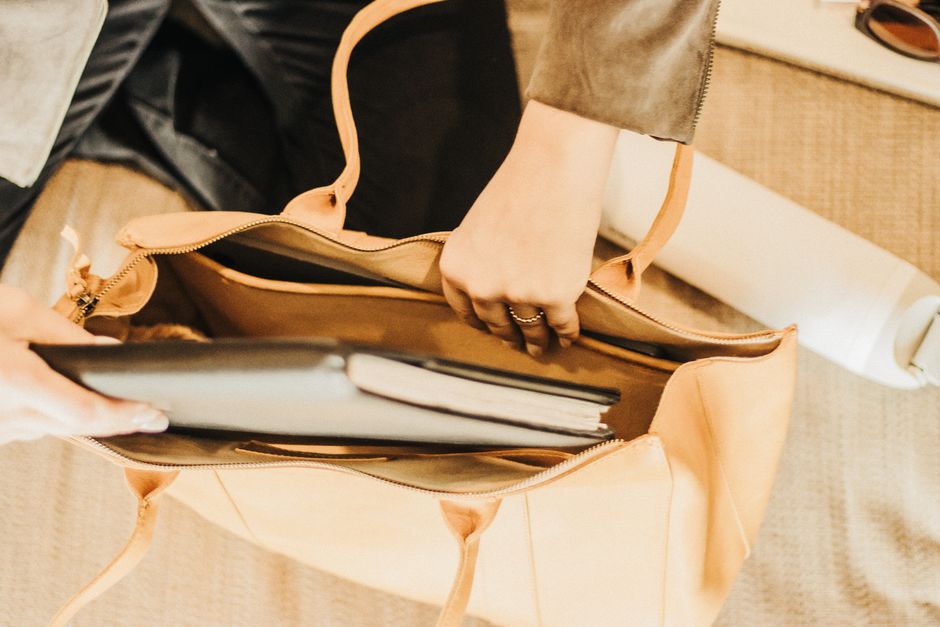
Common Mistakes When Choosing a Small Everyday Bag
Even with good intentions, it’s easy to fall into traps that lead to buyer’s remorse. Avoid these common pitfalls when searching for the best bags for travel and work:
Underestimating Your Actual Carry Needs: Many people opt for a bag that’s too small, only to find themselves cramming items in or leaving essentials behind. Make a realistic list of everything you carry daily – your laptop, charger, water bottle, book, umbrella, wallet, keys, phone, snacks – and measure them if necessary. Then, compare this against the bag’s advertised capacity and dimensions.
Best Anti-Theft Travel Bags for Busy Cities: Your Ultimate Protection Guide
Ignoring Material Quality: A cheap bag might save you money upfront, but it often sacrifices durability. Zippers can break, seams can tear, and fabrics can degrade quickly. Invest in materials and construction that can withstand daily wear and tear. This is particularly important for items like carry-on bags that face the rigors of airport travel or repeated commutes.
Overlooking Security Features: In bustling environments, an anti-theft design is not a luxury, it’s a necessity. Skipping features like lockable zippers, hidden pockets, or RFID protection can leave you vulnerable. While no bag is 100% theft-proof, these features significantly deter opportunistic thieves and give you greater peace of mind whether you’re in Barcelona or New York.
Prioritizing Aesthetics Over Ergonomics: A bag might look fantastic, but if it’s uncomfortable to carry for extended periods, it will quickly become a burden. Poorly padded straps, an unbalanced design, or awkward access points can lead to shoulder pain or frustration. Always consider how the bag feels on your body, especially if you plan to carry it for hours.
Not Considering the Carrying Environment: Think about where you’ll use the bag most. Will it be shoved under an airline seat (requiring it to be a compact carry-on)? Will it be exposed to rain (requiring weather resistance)? Will you need to access items quickly on a crowded bus? The environment should dictate features like external pockets, water resistance, and overall shape.
Frequently Asked Questions About Small Everyday Bags
What should I look for when choosing an everyday bag?
When choosing an everyday bag, prioritize smart organization, durable and weather-resistant materials, comfortable carrying options, and security features like anti-theft design. Ensure it has dedicated compartments for your tech, such as laptop protection, and quick-access pockets for essentials. The bag should also match your personal style and fit your specific daily carry needs.
Are small backpacks good for work?
Yes, small backpacks can be excellent for work, especially for commuters and professionals who prioritize comfort and even weight distribution. Many modern small backpacks feature padded laptop protection, organized compartments for documents and accessories, and a sleek design suitable for office environments across the US, UK, or Germany. They free up your hands, making them practical for public transport.
What are the benefits of an anti-theft bag for travel?
An anti-theft bag for travel offers crucial peace of mind by deterring opportunistic theft. Benefits include lockable zippers, hidden pockets for valuables, RFID-blocking technology to protect digital data, and often slash-resistant materials. These features are invaluable in crowded tourist destinations or busy transit hubs, safeguarding your passport, wallet, and devices during your travels through Europe or the Americas.
Can a small bag hold a laptop?
Absolutely. Many small bags, particularly compact backpacks, messenger bags, and even some structured crossbody bags, are specifically designed to hold laptops or tablets. Look for models that explicitly state they have a padded laptop sleeve with the correct dimensions (e.g., for a 13-inch or 14-inch laptop). This ensures your device is protected and fits securely without unnecessary bulk.
How do I make a small bag more organized?
To make a small bag more organized, utilize smaller pouches or organizers for specific categories like tech accessories, toiletries, or pens. Roll clothes tightly if traveling, and use the internal pockets and dividers provided by the bag’s design. Keep frequently accessed items in external or quick-access pockets, and designate specific spots for keys and wallet to avoid rummaging.
Choosing the right small bag can improve your daily routine, making commutes smoother, travel less stressful, and your essentials more accessible. By focusing on smart storage, durability, and practical features like laptop protection and anti-theft design, you can find a compact companion that truly punches above its weight. Explore more bags guides on GoTrendlin for further insights and recommendations.