

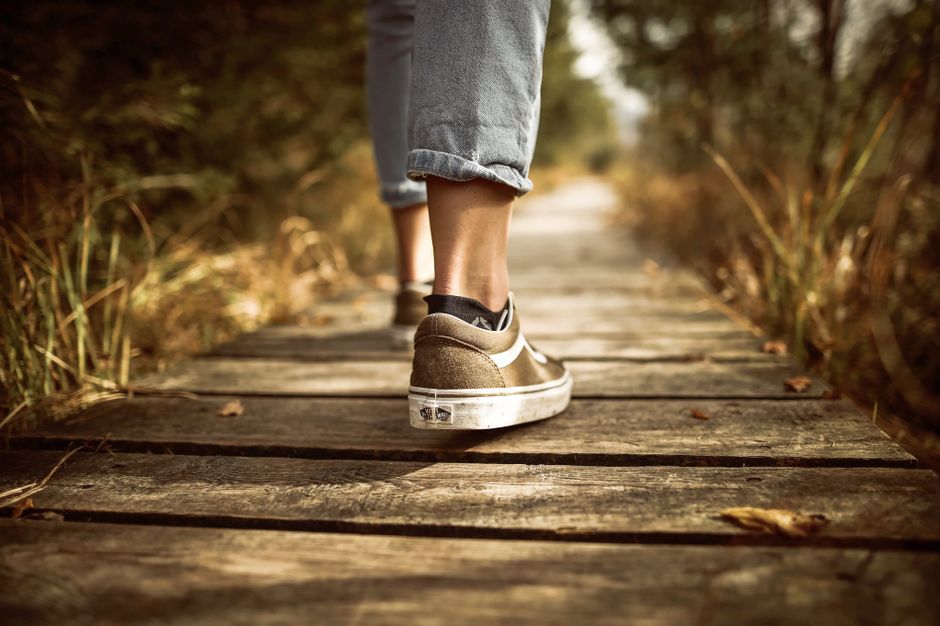
Choosing comfortable shoes for daily walking, especially when traveling, boils down to your specific activities and the terrain. While many sneakers offer cushioning and style, dedicated walking shoes typically provide superior arch support, better stability, and more robust outsoles designed for varied surfaces and extended periods of wear. If your travel involves significant sightseeing, long city strolls, or uneven paths, walking shoes are often the better choice for sustained comfort and injury prevention, whereas sneakers might suffice for lighter activity or specific aesthetic preferences.
When planning a trip, one of the most critical decisions is what to pack on your feet. For truly comfortable travel, the debate often boils down to sneakers versus dedicated walking shoes. Each has its merits, but for different kinds of journeys and activities, one will almost always outperform the other in terms of support, durability, and overall comfort. Understanding these differences can save you from blisters, sore feet, and even ruined travel days.
Imagine navigating the cobbled streets of Rome, exploring a vibrant market in Marrakesh, or even just rushing through Heathrow Airport to catch a connecting flight. Your footwear choice isn’t just about fashion; it’s about functionality, endurance, and ensuring your feet remain happy and supported through countless steps. The key is finding comfortable footwear, whether that’s sneakers or walking shoes, that aligns with your itinerary.
Which is better for comfortable footwear: sneakers vs. walking shoes? Let’s break down the practical considerations.
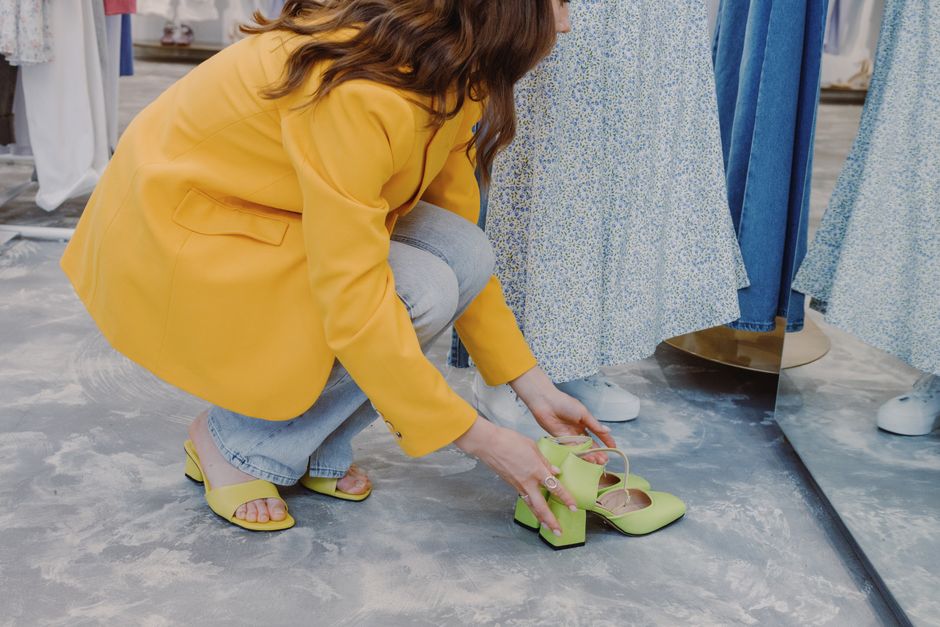
Understanding the Core Differences: Sneakers vs. Walking Shoes
At first glance, many people might use ‘sneakers’ and ‘walking shoes’ interchangeably, but there are distinct design philosophies behind each. These differences become crucial when you’re looking for truly comfortable footwear for extended periods, especially while traveling.
Sneakers: The Everyday All-Rounder
Sneakers, often referred to as trainers in the UK or sports shoes more broadly, were originally designed for athletic activities like running, basketball, or tennis. Over time, they’ve evolved into a fashion staple and a popular choice for casual wear. They typically feature:
- Cushioning: Often plentiful, especially in the heel and forefoot, to absorb impact during high-intensity activities.
- Flexibility: Designed to allow a wide range of motion, which is great for dynamic movements but can sometimes lack stability for long walks.
- Style: A vast array of designs, colors, and materials, making them highly versatile for pairing with various outfits.
- Breathability: Many modern sneakers use mesh or knit uppers to keep feet cool.
While a good pair of lifestyle sneakers can feel incredibly comfortable for short periods, their primary design isn’t always optimized for the sustained, repetitive motion of walking all day. For example, popular choices like Converse or Vans are iconic for style but offer minimal arch support for long treks through a city.
Walking Shoes: The Dedicated Pavement Pounder
Dedicated walking shoes are engineered with one purpose in mind: comfortable, efficient, and supportive walking. They prioritize features that directly benefit long-duration, low-impact activity. Key characteristics include:
- Stability and Support: Often featuring firmer midsoles, solid arch support, and structured uppers to guide the foot through a natural gait cycle.
- Durable Outsoles: Designed with specialized rubber compounds and lug patterns for excellent grip on diverse surfaces, from city pavements to light trails. Think about navigating wet cobblestones in Edinburgh or uneven paths in a French vineyard.
- Shock Absorption: While sneakers cushion impact, walking shoes often focus on distributing pressure evenly across the foot to prevent fatigue.
- Waterproofing/Water Resistance: Many models, especially those from brands like Merrell or Keen, offer some degree of waterproofing, a huge advantage if you’re exploring the Lake District or caught in an unexpected shower in Berlin.
In practice, a walking shoe from brands like Brooks, New Balance, or Hoka will often provide more foundational support than a fashion-focused sneaker.
Comfortable Footwear: Sneakers vs. Walking Shoes for Different Travel Styles
Your itinerary is the ultimate determinant. What kind of comfortable footwear, sneakers vs. walking shoes, makes the most sense?
City Explorers & Sightseers
If your travel involves extensive urban exploration – think thousands of steps visiting museums in Paris, window shopping in London’s West End, or crossing bridges in Prague – then a high-quality walking shoe is often the superior choice. They are built for endurance. Look for:
Loafers, Trainers, or Boots: Choosing Comfortable Shoes for Smart Casual Style
- Excellent Arch Support: Crucial for preventing foot fatigue over many hours. Brands like Dansko or Ecco are known for this.
- Responsive Cushioning: Enough to absorb the shock of hard pavements but firm enough not to feel ‘mushy.’
- Good Grip: Essential for safety on potentially wet or uneven city surfaces, common in older European cities.
While many popular lifestyle sneakers can be tempting, a common mistake is underestimating the sheer volume of walking involved in city breaks. For commuters who walk to and from the office daily in cities like New York or Munich, the benefits of dedicated walking shoes for sustained comfort are clear.
Light Adventure & Nature Trekkers
For trips that might involve light hikes, exploring national parks (from the Peak District to Yosemite), or walking along coastal paths, the advantages of a walking shoe become even more pronounced. Here, features like waterproofing and solid grip are non-negotiable.
Consider shoes with:
- Waterproofing: GORE-TEX lined shoes are fantastic for unpredictable weather, keeping your feet dry whether you’re in the Scottish Highlands or the Black Forest.
- Aggressive Outsoles: Deeper lugs provide better traction on dirt, gravel, or slightly muddy paths.
- Ankle Support: For slightly more challenging terrain, a mid-height walking shoe can offer added stability.
Business Travel & Office Shoes
For business travelers who need to maintain a polished look but still require comfort for airport sprints or walking to meetings, the line blurs a bit. Some brands now offer stylish sneakers with enhanced arch support and more refined aesthetics that can pass as smart casual. Similarly, certain dressier walking shoes or comfortable boots can bridge the gap.
For many professionals traveling between cities like Frankfurt, London, or New York, the challenge is finding office shoes that are also comfortable travel shoes. Brands like Rockport or Clark’s often offer options that look professional but have integrated walking shoe technology for all-day comfort.
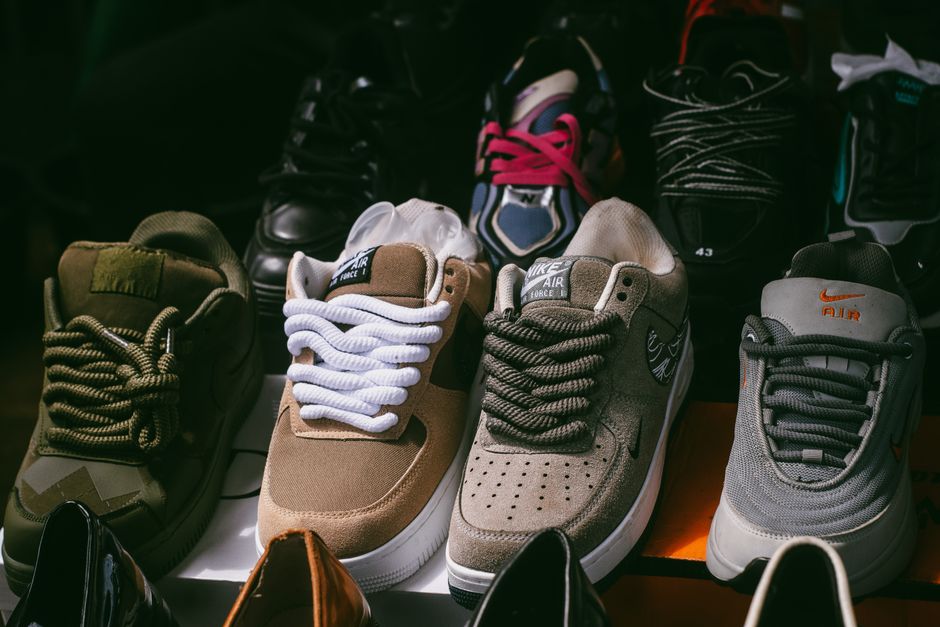
Key Factors for Choosing Your Comfortable Footwear
Regardless of whether you lean towards sneakers or walking shoes, several universal factors dictate true comfort and suitability for travel.
1. Comfort and Fit
This is paramount. Shoes should feel comfortable from the moment you put them on. There should be no pinching, rubbing, or excessive pressure points. Always try shoes on at the end of the day when your feet are slightly swollen, and wear the type of socks you’d typically travel in.
Ensure there’s about a thumb’s width of space between your longest toe and the end of the shoe. Your arch should feel supported, not strained. For most readers, proper fit transcends brand or style.
2. Arch Support
Critical for preventing foot fatigue and common issues like plantar fasciitis. Many walking shoes inherently offer better arch support than fashion sneakers. If you have specific arch needs (high arches, flat feet), consider shoes that accommodate orthotics or have removable insoles.
3. Grip and Outsole Durability
A good grip is essential for safety, especially on diverse travel surfaces – wet pavements, smooth museum floors, or uneven historical sites. Look for outsoles with a solid, multi-directional tread pattern. Vibram outsoles are often a sign of excellent grip and durability.
The Ultimate Guide to Choosing Comfortable and Stylish Women’s Shoes
4. Weight
Lighter shoes are generally better for travel, reducing fatigue and making them easier to pack. However, don’t sacrifice essential support for minimal weight. It’s a balance.
5. Material and Waterproofing
Breathable materials like mesh or knit uppers are great for warm climates, but for trips where rain or damp conditions are likely (like exploring Ireland or the Pacific Northwest), waterproofing (e.g., GORE-TEX) is invaluable. Non-waterproof shoes can be miserable when wet.
6. Break-in Period
Never travel with brand-new shoes. Always wear them around at home for a few days or weeks to ensure they are properly broken in and any potential hot spots are identified before you’re miles from your hotel.
How Do I Choose Comfortable Shoes for Daily Walking?
To choose comfortable shoes for daily walking, prioritize fit, arch support, and cushioning that matches your foot type and activity level. Look for shoes that feel good immediately, with no pressure points. Ensure ample toe box room and a secure heel fit. Brands renowned for walking comfort include Brooks, New Balance, Hoka, and Ecco. For varied terrain, consider models with durable outsoles and good grip. Always test new shoes extensively before committing to long walks or travel.
FAQ Section: Your Travel Footwear Questions Answered
Q: Can I wear running shoes for walking all day while traveling?
A: While running shoes offer excellent cushioning, they are optimized for forward motion and often have more flexible forefeet than ideal for sustained walking. They can work for shorter durations, but for all-day walking, a dedicated walking shoe typically provides better stability and arch support, which prevents fatigue and discomfort over many hours.
Q: Are minimalist sneakers suitable for travel?
A: Minimalist sneakers, while stylish and lightweight, generally lack the substantial cushioning and arch support required for extensive travel walking. They are best suited for light activity or short periods, not for navigating cities or varied terrain all day. For truly comfortable travel, opt for shoes with more supportive features.
Q: What’s the best way to test if shoes are comfortable for travel before I go?
A: The best test is to wear them for your typical daily activities. Walk around your home, run errands, and take a long walk in your neighborhood. Pay attention to any rubbing, pinching, or discomfort. Ideally, wear them for at least a week, including a day where you walk a similar distance to what you expect on your trip. This helps break them in properly.
Q: Should I pack multiple pairs of shoes for a trip?
A: For most trips, packing two comfortable pairs is ideal. One primary walking shoe and a secondary, lighter option (like a stylish sneaker or sandal) allow you to rotate and rest your feet, and have a backup in case one pair gets wet or damaged. This also provides versatility for different outfits or activities.
Q: Are boots a good option for comfortable travel, especially in colder climates?
A: Absolutely, certain boots can be excellent travel shoes, especially in colder climates or for trips involving light hiking. Look for comfortable, supportive boots with good insulation and waterproofing. Brands like Timberland, Dr. Martens (certain models), or quality hiking boots offer solid protection and style. Ensure they are well broken in before your trip.
Q: Do I need special ‘travel shoes’ or will any comfortable pair do?
A: While no shoe is specifically labeled ‘travel shoe,’ the best comfortable footwear for travel combines the features of good walking shoes with versatility and durability. Focus on fit, arch support, grip, and comfort over long periods. It’s more about the shoe’s capabilities than a specific marketing label. Many reliable brands make excellent shoes that fit this criteria.
Conclusion: Making Your Travel Footwear Choice
Ultimately, the choice between sneakers vs. walking shoes for comfortable footwear on your travels hinges on your specific itinerary, personal foot needs, and style preferences. For rigorous sightseeing, long commutes, or any trip involving significant time on your feet and varied terrain, a well-chosen, dedicated walking shoe will almost always offer superior support, comfort, and durability. However, for lighter activities or when style is a higher priority, a supportive, well-cushioned sneaker can certainly suffice.
No matter your destination—from the bustling markets of Barcelona to the serene pathways of the Black Forest—investing in the right pair of comfortable footwear will profoundly impact your experience. Choose wisely, break them in thoroughly, and enjoy every step of your journey. Explore more footwear guides on GoTrendlin to find your perfect pair.