

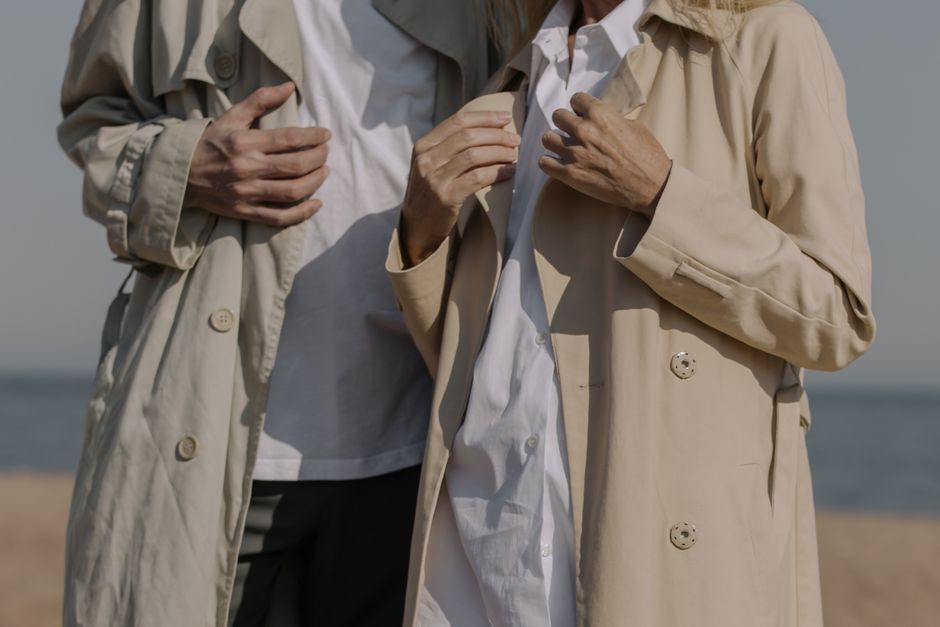
The most useful men’s wardrobe essentials for unpredictable weather revolve around foundational pieces that can be easily added or removed to adapt to changing temperatures and conditions. Think of high-quality base layers like merino wool t-shirts, versatile mid-layers such as cashmere sweaters or lightweight cardigans, and adaptable outer layers like water-resistant trench coats or packable down jackets. A well-curated capsule wardrobe featuring smart casual staples, from well-fitting chinos to classic Oxford shirts, ensures you’re prepared for anything from a chilly morning commute in Berlin to a surprisingly warm afternoon in Rome, allowing you to master men’s fashion when layering clothes for unpredictable weather.
We’ve all been there: stepping out the door in the morning, only for the weather to pivot entirely by lunchtime. A crisp autumn start gives way to an unseasonably warm afternoon, or a sunny forecast suddenly delivers a torrential downpour. For men navigating this daily sartorial challenge, especially across varied climates like the fluctuating days in Paris or a blustery British coastal town, knowing how to layer men’s clothes for unpredictable weather isn’t just about comfort—it’s about maintaining a polished, appropriate appearance.
Building an adaptable wardrobe, particularly one that lets you confidently transition from a brisk morning meeting to an outdoor lunch, is a critical skill. It’s about more than just throwing on a jacket; it’s about strategic combinations, understanding fabric weights, and having the right pieces that work together harmoniously. This approach ensures you’re always prepared, whether the temperature drops unexpectedly or the sun makes a surprise appearance.
The goal isn’t just to be warm or cool, but to be able to adjust effortlessly, shedding or adding layers without looking disheveled. This is the cornerstone of effective men’s fashion layering, especially when dealing with the kind of erratic weather patterns we increasingly experience globally.
The Core Philosophy of Layering: Adaptability and Style
Effective layering in men’s fashion boils down to three core principles: versatility, functionality, and aesthetic cohesion. Versatility means each piece you own should ideally serve multiple purposes or integrate with several outfits. Functionality ensures your layers actually perform as needed—keeping you warm, dry, or cool. And aesthetic cohesion ensures that even as you add or remove layers, your overall look remains deliberate and stylish. Think of a well-executed capsule wardrobe, where every item earns its place. This approach is particularly effective for professionals and travelers who need their attire to perform across various settings, from a business trip to Munich to a weekend break in Barcelona.
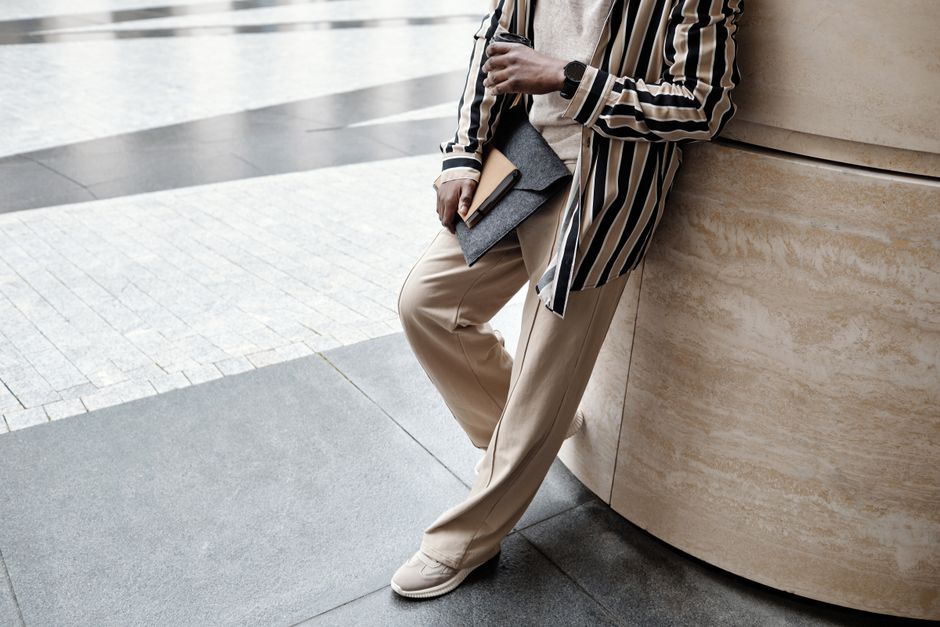
Building Blocks: Essential Men’s Wardrobe Staples
To effectively layer men’s clothes for unpredictable weather, you need a strong foundation of menswear essentials. These are the versatile pieces that form the backbone of any adaptable wardrobe:
- Quality Base Layers: Start with thin, breathable fabrics against your skin. Merino wool t-shirts are excellent as they regulate temperature, wick moisture, and resist odor. Cotton is fine for warmer days, but merino or technical blends perform better in varied conditions.
- Versatile Mid-Layers: This is where you add warmth. Think crewneck sweaters (cashmere, merino, or fine gauge cotton), lightweight cardigans, or even a well-fitting chambray or flannel shirt. These should be substantial enough to provide warmth but not so bulky that they can’t be worn under an outer layer.
- Strategic Outer Layers: Your final line of defense. A water-resistant trench coat is a classic choice for rain and wind. A packable puffer jacket offers warmth without bulk. A classic blazer or a tailored sport coat can also serve as a smart casual outer layer, especially in transitional weather.
- Adaptable Bottoms: Well-fitting chinos, dark wash jeans, or wool trousers can be dressed up or down. Choose fabrics that offer some stretch and comfort for all-day wear.
- Smart Accessories: A lightweight scarf can provide surprising warmth and add a touch of sophistication. A quality umbrella is non-negotiable for sudden downpours, particularly in European cities like London or Dublin.
The Three-Layer System: Your Go-To Strategy
For most scenarios, the three-layer system is your best friend when learning how to layer men’s clothes for unpredictable weather:
Street Style Inspiration: How to Achieve the Perfect Urban Look
- The Base Layer: Wicks moisture, regulates temperature. (e.g., Merino t-shirt, thermal top)
- The Mid-Layer: Provides insulation. (e.g., Sweater, cardigan, flannel shirt, light jacket)
- The Outer Layer: Protects from wind, rain, and cold. (e.g., Trench coat, parka, blazer, denim jacket)
The beauty of this system is its flexibility. As conditions change, you simply add or remove a layer, maintaining comfort and style. Imagine starting your day in New York City with all three layers for a chilly morning commute, then shedding your outer coat for a meeting, and finally removing your sweater as the afternoon warms up.
Comparing Layering Options for Different Climates
Different regions and their characteristic weather patterns call for nuanced layering strategies. Whether you’re facing the damp chill of the UK or the crisp dry air of Germany, understanding specific material benefits is key.
| Climate Type | Recommended Layers | Key Considerations | Example Scenario |
|---|---|---|---|
| Mild & Humid (e.g., Coastal France, Southern Italy) | Light cotton t-shirt, linen shirt or lightweight merino, unlined cotton blazer, water-resistant trench/mac. | Breathability is paramount. Focus on moisture-wicking properties and natural fibers. Avoid heavy wools. | Spring in Rome: Light cotton tee, linen shirt open, thin mac for sudden showers. |
| Cool & Dry (e.g., Central Germany, US Midwest) | Merino base, cashmere/wool sweater, denim jacket, insulated vest, wool topcoat. | Insulation without bulk. Synthetics can be useful for added warmth and packability. | Autumn in Berlin: Merino base, wool sweater, denim jacket, wool scarf. |
| Variable & Temperate (e.g., UK, Pacific Northwest US) | Performance base (merino/synthetic), fleece or technical mid-layer, waterproof/windproof shell jacket. | Protection from both rain and wind is critical. Pieces should be easily packable. | Winter in London: Merino base, thin fleece, waterproof shell, packable umbrella. |
| Urban Professional (e.g., NYC, Paris, Milan) | Fine cotton undershirt, Oxford shirt, V-neck merino sweater, tailored blazer, classic trench or topcoat. | Focus on clean lines, quality fabrics, and versatile pieces that transition from office to evening. | Spring in Paris: Cotton undershirt, tailored shirt, fine merino sweater, classic trench. |
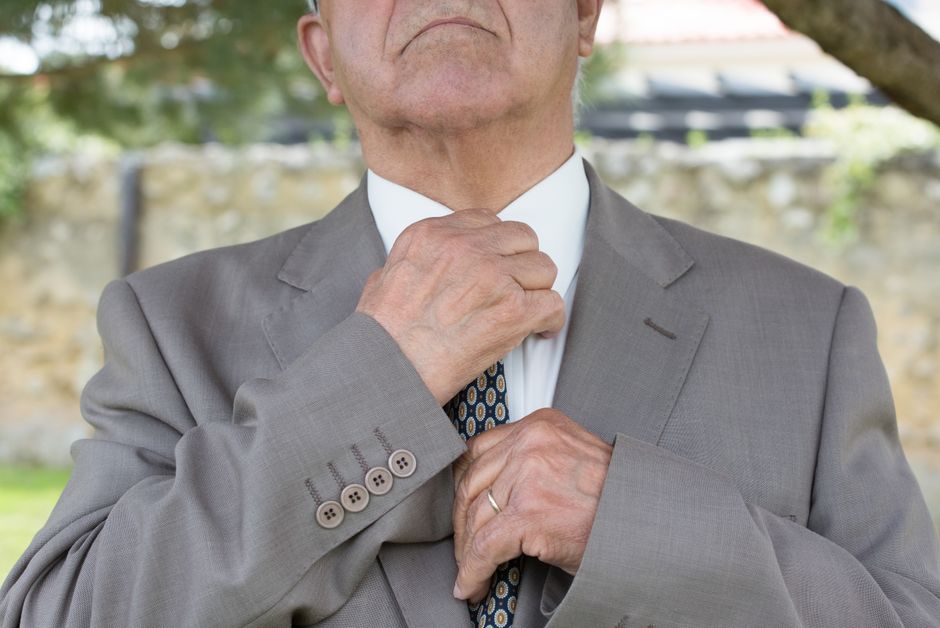
Common Mistakes to Avoid When Layering Men’s Clothes
Even with the right pieces, layering can go wrong. A few common missteps can quickly turn a sophisticated ensemble into a bulky mess.
A primary error is choosing the wrong fit. Layers should progressively get larger as you move outwards. A too-tight mid-layer will bunch under your outer coat, looking awkward and restricting movement. Conversely, an outer layer that’s too loose won’t provide adequate warmth and can look sloppy. Each piece needs to fit well on its own and also accommodate the layer beneath it comfortably.
Another frequent mistake is neglecting fabric weight and texture harmony. Pairing a heavy wool blazer over a chunky knit sweater can lead to excessive bulk and an unrefined look. Instead, aim for a balanced composition—a fine-gauge merino sweater works well under a wool sport coat, or a lightweight flannel shirt under a corduroy jacket. Consider how the textures play off each other; smooth fabrics often pair well with subtly textured ones.
Ignoring the weather forecast entirely, or overestimating your need for warmth, is another pitfall. While the idea is to be prepared, wearing three heavy layers on a mild day will leave you uncomfortable and overheating. The key is to check the forecast and select layers that provide flexibility. On a day with a wide temperature swing, prioritize easily removable mid-layers over one very heavy outer coat.
Discover the Latest Trends in Men’s Fashion at Lancerto
Finally, skimping on quality for base and mid-layers can undermine the entire system. A cheap cotton t-shirt will absorb moisture and leave you feeling clammy, while a low-quality sweater might pill or lose its shape quickly. Investing in good quality, sustainable fashion pieces, especially for the layers closest to your skin and the ones providing core warmth, pays dividends in comfort, longevity, and overall appearance.
Frequently Asked Questions About Men’s Layering
What are the best fabrics for layering in unpredictable weather?
Merino wool is highly recommended for its natural temperature regulation, moisture-wicking properties, and odor resistance. Other great options include lightweight cotton for breathability, cashmere for luxurious warmth without bulk, and technical synthetics for waterproof or windproof outer layers, crucial for men’s fashion when layering clothes for unpredictable weather.
How do I make sure my layered outfit looks smart casual?
To achieve a smart casual layered look, focus on clean lines, well-fitting garments, and elevated basics. Start with an Oxford shirt or a fine-gauge knit, add a structured blazer or a neat cardigan, and finish with tailored chinos or dark denim. Avoid overly casual items like graphic tees or distressed jeans as your primary layers.
Can I layer a hoodie or sweatshirt for a smart look?
While hoodies and sweatshirts are inherently casual, a well-chosen, high-quality hoodie (think solid color, minimal branding, good fabric) can work as a mid-layer under a structured coat like a pea coat or a clean-lined bomber jacket for a modern, elevated casual look. Avoid bulky, overly sporty versions for smart casual ensembles.
How many layers are too many layers?
Generally, three to four layers are sufficient for most unpredictable weather scenarios: a base, one or two mid-layers (e.g., a shirt and a sweater), and an outer layer. More than this can lead to excessive bulk and restrict movement, making the outfit look and feel uncomfortable rather than stylish and practical.
What is a ‘capsule wardrobe’ and how does it help with layering?
A capsule wardrobe consists of a small collection of versatile, interchangeable clothing items that complement each other. It aids layering by ensuring every piece can be combined with multiple other items, maximizing outfit possibilities while minimizing clutter. This approach makes it easy to create cohesive, layered looks for any weather.
Are there any sustainable fashion brands good for layering essentials?
Absolutely. Many brands focus on sustainable and ethical practices, offering high-quality essentials perfect for layering. Look for brands using organic cotton, recycled materials, or responsibly sourced merino wool and cashmere. Companies prioritizing transparency in their supply chain are often a good indicator of sustainable fashion practices.
Mastering how to layer men’s clothes for unpredictable weather is a skill that blends practical considerations with sartorial flair. By investing in versatile, quality pieces and understanding the art of combination, you’ll not only stay comfortable regardless of the forecast but also project an image of confident, effortless style. For more insights into refining your personal style and building an enduring wardrobe, explore more men’s guides on GoTrendlin.