

To choose comfortable shoes for daily walking in a smart casual context, prioritize fit, arch support, and appropriate sole cushioning. For a versatile option, consider well-designed trainers that offer athletic support with a clean aesthetic. Loafers provide a classic, breathable choice for warmer weather or less strenuous days, while comfortable boots offer stability and weather protection. The best choice balances your activity level, the formality required, and personal preference, always ensuring ample toe room and good grip on various surfaces.
The quest for the perfect pair of shoes can feel like an endless journey, particularly when you’re aiming for that elusive ‘smart casual’ sweet spot. You want to look put-together, but not overly formal. More importantly, you need to feel comfortable, whether you’re navigating a busy workday, commuting across town, or exploring a new city on holiday. The wrong choice can lead to sore feet, blisters, and a generally miserable day, no matter how stylish your outfit.
It’s a common dilemma: do you reach for the sleek trainers, the classic loafers, or the dependable boots? Each offers distinct advantages and drawbacks, and the ‘best’ option often shifts depending on your plans, the weather, and your personal comfort threshold. The goal isn’t just to buy shoes; it’s to invest in comfortable footwear—loafers, trainers, or boots—that supports your lifestyle without compromising your look.
Many of us have made the mistake of prioritizing aesthetics over function, only to regret it hours later. This guide aims to equip you with the practical knowledge to make informed decisions, ensuring your feet are as happy as your outfit is stylish, regardless of whether you’re in London, New York, Berlin, or Rome.
Understanding the Core Contenders: Loafers, Trainers, and Boots
Before we dive into specific scenarios, let’s briefly outline the general characteristics of each footwear type in a smart casual context:
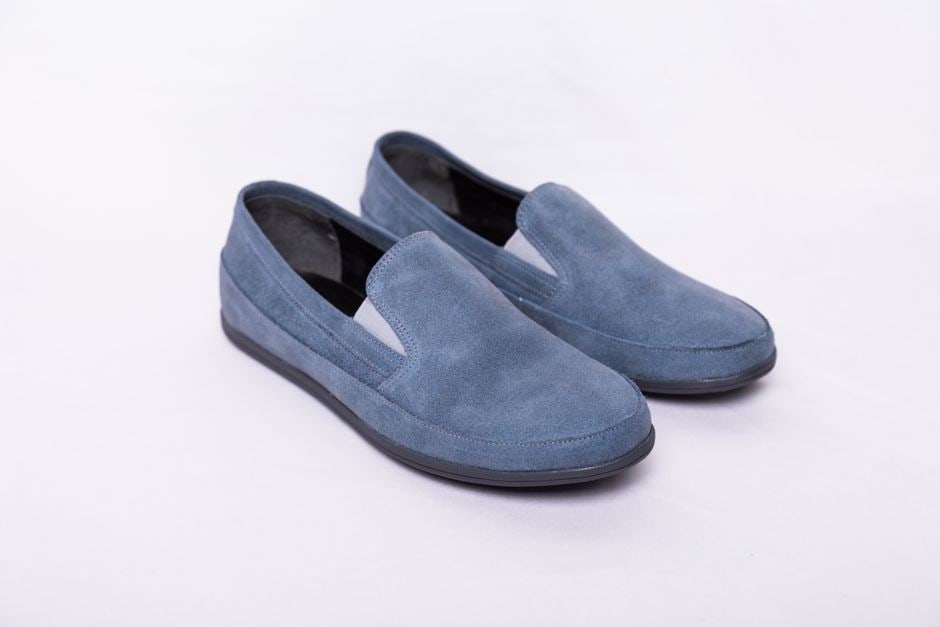
- Loafers: Typically slip-on, low-cut shoes without laces. They come in various styles (penny, tassel, driving, horsebit) and materials (leather, suede). They generally offer breathability and ease of wear, leaning towards the dressier end of smart casual.
- Trainers (Sneakers): Originally athletic footwear, modern trainers have evolved into fashion staples. For smart casual, think clean lines, minimalist designs, and quality materials rather than performance-oriented running shoes. They offer excellent cushioning and support.
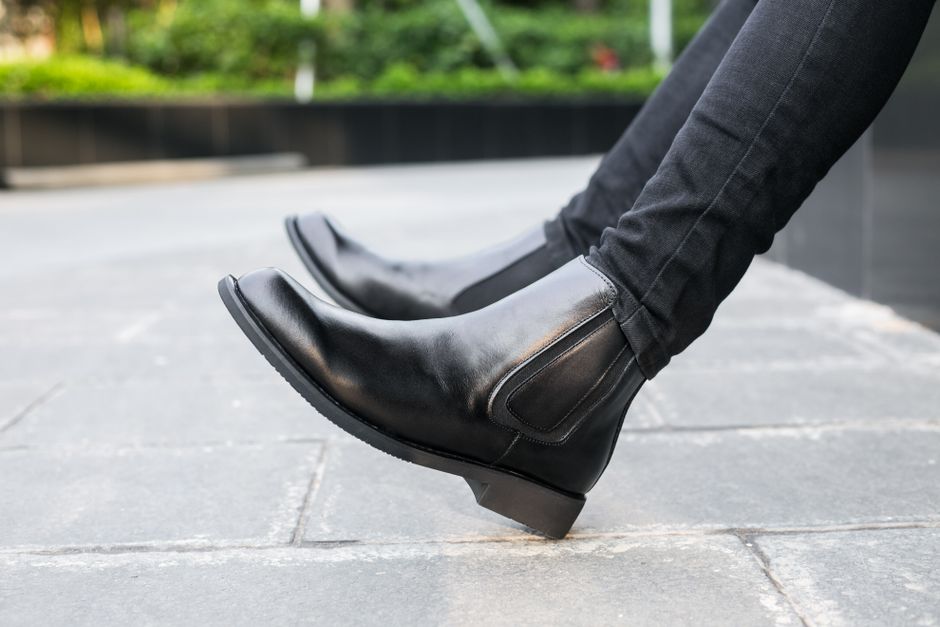
- Boots: Covering the ankle or higher, boots provide more protection and stability. Styles like Chelsea boots, chukka boots, or desert boots made from leather or suede are excellent for smart casual. They tend to be solid and suitable for varying weather conditions.
The Essential Factors for Comfortable Footwear
When selecting any shoe, especially for extensive wear, several universal principles apply. Ignoring these can turn a promising pair into a pain point.
Fit: The Unsung Hero of Comfort
A proper fit is paramount. Your shoes should feel comfortable from the moment you try them on, with enough room for your toes to wiggle slightly. There should be no pinching or slipping at the heel. Remember that foot size can change throughout the day, so trying shoes on in the afternoon is often recommended. Pay attention to both length and width. Many European brands, like those found in Germany or Italy, offer a good range of sizes and widths, often with meticulous craftsmanship that translates to a better fit.
Arch Support: Your Foundation for Wellness
Good arch support is crucial for distributing pressure evenly across your foot and preventing fatigue, especially for those with long walking days. Many modern trainers and some higher-quality loafers and boots integrate excellent arch support. If your chosen pair lacks it, consider adding aftermarket insoles for customized comfort. This is particularly important for travellers exploring cities like Paris or Barcelona on foot.
Grip: Staying Grounded and Safe
Whether you’re navigating cobblestone streets in Krakow or slippery pavements in Manchester, reliable grip is non-negotiable. Look for soles made from durable rubber with a well-defined tread pattern. This is especially vital for boots, which often face more challenging conditions, but equally important for comfortable footwear loafers, trainers, or boots that you’ll wear daily. A good grip instils confidence and prevents slips, especially in damp conditions.
Cushioning and Flexibility: The Shock Absorbers
Adequate cushioning in the sole absorbs impact, reducing stress on your feet, knees, and back. Coupled with a degree of flexibility, it allows your foot to move naturally. While trainers excel here, many contemporary loafers and boots are designed with cushioned insoles and flexible outsoles. Test this by trying to bend the shoe at the ball of the foot – it should flex, but not excessively in the middle.
From Boots to Sneakers: A Comprehensive Guide to Men’s Footwear
Material and Breathability: Keeping Cool and Dry
The material affects both comfort and durability. Leather and suede are popular choices for smart casual footwear due to their appearance and ability to mold to your foot over time. For warmer climates or long days, breathability is key. Trainers often use engineered knits, while leather loafers can offer good airflow. Some boots, particularly those from brands originating in areas with varied weather like the UK, incorporate waterproofing features or breathable membranes.
Choosing for Specific Scenarios
1. The Daily Commute and Office Life
For many, the biggest challenge is footwear that transitions from the commute to the office. Here, the emphasis is on polished comfort.
- Loafers: A superb choice for many offices. Leather penny loafers or driving mocs (if appropriate for your office) offer a refined look with easy on-off access. Brands like Sebago or G.H. Bass are classics, while some Italian manufacturers offer incredibly soft, supple leather versions that feel like slippers.
- Trainers: Opt for minimalist leather or high-quality suede trainers in neutral colors (white, black, navy, grey). Brands like Common Projects, Veja, or Adidas Stan Smiths fit the bill. They provide unparalleled cushioning for walks to the train station or parking garage, but remember to keep them pristine.
- Boots: Chelsea boots or chukka boots are excellent. Their sleek silhouette pairs well with trousers or chinos. A well-maintained pair of suede chukkas can improve a simple outfit while providing ankle support and warmth in cooler climates, like those experienced in Germany or Poland.
Practical Tip: If your commute involves significant walking, comfortable footwear loafers, trainers, or boots that can stand up to the mileage are essential. Consider bringing a dressier pair for the office if your commute shoes are more athletic.
2. Travel and Exploration
When you’re travelling, particularly to cities like Rome, Seville, or New York, you’ll be on your feet for hours, often on varied terrain. Versatility and enduring comfort are paramount.
Trainers for Urban Adventures
Trainers truly shine here. Look for lightweight, supportive models with good cushioning and grip. Modern walking shoes often blur the line between athletic and casual. Brands like New Balance, On Running, or Ecco offer styles that are supportive enough for miles of walking but stylish enough for dinner. They handle varied surfaces, from museum floors to cobblestone streets, with ease.
Boots for All-Weather Readiness
If your travel involves unpredictable weather or more rugged terrain, comfortable boots are a strong contender. Waterproofing (like Gore-Tex in some models) is a huge plus for navigating unexpected rain showers common in the UK or the Pacific Northwest of the US. Chelsea boots, with their easy slip-on style, are great for airport security. For more solid adventures, a lightweight hiking boot with a smart casual aesthetic can be a practical advantage.
Loafers for Relaxed Evenings
While less ideal for all-day touring, a comfortable pair of driving loafers or soft leather penny loafers can be perfect for evenings out, providing a relaxed yet refined look after a day of exploration. They pack easily and offer a nice change of pace.
3. Weekend Wear and Social Engagements
Weekends often demand a blend of comfort and style for brunches, casual gatherings, or errands. This is where you can be a bit more relaxed but still look sharp.
Trainers: The Weekend Workhorse
For pure casual comfort, trainers are king. This is where you can experiment with more colors or slightly bolder designs, as long as they remain clean and well-maintained. Think about pairing them with jeans, chinos, or even tailored shorts.
Loafers: Effortless Sophistication
Suede loafers, particularly in richer tones like navy or brown, exude effortless sophistication for weekend lunches or garden parties. They pair beautifully with linen trousers, chinos, or even smart shorts. They offer a refined alternative to trainers while maintaining a relaxed feel.
The Top 10 Must-Have Shoes for Every Man’s Wardrobe
Boots: Rugged Charm
Desert boots or chukkas add a touch of rugged charm. They work well with denim or heavier chinos and are ideal for cooler weather or outdoor-oriented activities that still require a smart casual edge. Their durability makes them a practical choice for family outings.
Comfort-Focused Footwear for Active Lifestyles
For those who are constantly on the move, whether it’s chasing after children, commuting by bike, or simply preferring to walk everywhere, your footwear choices need to be exceptionally comfortable and supportive.
Features to Prioritize:
- solid Arch Support: Prevents foot fatigue and supports proper alignment.
- Advanced Cushioning: Look for midsoles made from EVA or specialized foams for superior shock absorption.
- Flexible Outsoles: Allows natural foot movement, reducing strain.
- Durable Grip: Essential for varied terrains and weather conditions.
- Breathable Materials: Reduces sweat and discomfort, especially important for all-day wear.
Many contemporary brands, including those popular in markets like the US and Germany, are now designing shoes that look smart but have the underlying engineering of athletic footwear. This fusion is ideal for people seeking comfortable footwear—loafers, trainers, or boots—that can keep up with their busy lives without looking out of place in a smart casual setting.
FAQ: Answering Your Footwear Questions Directly
How do I choose comfortable shoes for daily walking?
Focus on adequate arch support, proper cushioning, and a flexible sole that allows natural foot movement. Ensure there’s ample toe room without the shoe feeling loose. Test for good grip and breathable materials. Prioritize fit above all else; a well-fitting shoe will prevent most common foot discomforts during daily walks.
Are loafers good for walking long distances?
Generally, traditional loafers are not ideal for very long distances or prolonged walking, as they often lack the solid arch support and cushioning of trainers. However, modern interpretations, like driving loafers with cushioned insoles or loafers from comfort-focused brands, can be surprisingly comfortable for moderate walking.
Can I wear trainers for smart casual in an office environment?
Yes, but choose wisely. Opt for clean, minimalist trainers in premium materials like leather or suede, in neutral colors (white, black, navy). Avoid athletic-looking performance trainers. Paired with chinos or tailored trousers, they can blend smoothly into many smart casual office settings, particularly in more relaxed European creative industries or tech companies.
What makes a boot comfortable for all-day wear?
For all-day comfort, boots need good quality leather or suede that moulds to your foot, a cushioned insole (preferably removable for custom orthotics), and a flexible, shock-absorbing outsole. Good ankle support without restriction is also key, as is a proper fit that prevents rubbing or excessive movement inside the boot.
How important is waterproofing for smart casual shoes?
Waterproofing is very important if you live or travel in areas prone to rain or snow, such as the UK, much of Northern Europe, or the Pacific Northwest of the US. While not all smart casual shoes need to be fully waterproof, having at least one pair of comfortable boots or trainers with some water resistance can save your feet and your day from unexpected downpours.
Key Takeaways for Your Footwear Choices
Selecting comfortable footwear—loafers, trainers, or boots—for smart casual style doesn’t have to be a guessing game. It’s about understanding your needs, the context, and the inherent strengths of each shoe type. Prioritize fit, arch support, and grip above all else, as these are the cornerstones of true comfort.
Remember that a versatile wardrobe often includes a mix. A reliable pair of minimalist trainers for daily commutes and travel, a classic pair of leather loafers for polished office days and relaxed evenings, and a sturdy, comfortable pair of boots for cooler weather or more adventurous outings will cover most bases. Don’t be afraid to invest in quality; well-made shoes last longer and provide superior comfort over time.
Ultimately, the best choice is the one that allows you to move freely and confidently throughout your day, without a second thought to foot pain. By applying these practical considerations, you can ensure your smart casual style is matched by unwavering comfort, wherever your feet may take you.
Explore more footwear guides and style inspiration on GoTrendlin.