


When choosing an everyday bag, look for a balance of practicality and protection. For carry-on use, prioritize bags with well-organized compartments, including dedicated laptop protection, and a lightweight yet durable construction. Features like anti-theft design, water resistance, and comfortable straps are crucial for daily commutes or international travel. A good bag should seamlessly transition from work to leisure, offering enough space for essentials without encouraging overpacking, ultimately making your packing process smoother and your travels less cumbersome.
The dread of luggage carousel waits, the anxiety of lost baggage, or the sudden realization that your weekend trip carry-on is impossibly heavy for a short walk to the station – these are familiar scenarios for many travelers. In practice, the key to stress-free travel often starts before you even leave home: by mastering the art of packing a carry-on bag without overpacking.
Whether you’re jetting off for a business trip to Frankfurt, a city break in Rome, or simply commuting daily across London, choosing the right bag and packing it intelligently can make all the difference. It’s not just about fitting everything in; it’s about making your belongings accessible, secure, and manageable, so you can focus on the journey itself.
Understanding the Carry-On Conundrum: Why Less is More
For most readers, the allure of carry-on travel is clear: convenience, cost savings, and peace of mind. Airlines across Europe, like Lufthansa or British Airways, often have strict carry-on size and weight limits, and adhering to these can save you both money and hassle at the gate. In the US, major carriers generally allow a personal item alongside a standard carry-on, providing a bit more flexibility. The challenge lies in maximizing this space effectively without falling into the trap of ‘just one more thing’.
A common mistake is treating the carry-on like a mini-checked bag. Instead, think of it as a highly curated collection of essentials. This mindset shift is critical for those who want to pack a carry-on bag without overpacking, ensuring a smoother journey whether for work or leisure. It involves strategic item selection, efficient packing techniques, and, crucially, selecting the best bags for travel and work that support this minimalist approach.

Expert Strategies to Pack Light and Smart
Here’s how to approach your packing with a seasoned traveler’s mindset:
1. Choose the Right Bag for the Job
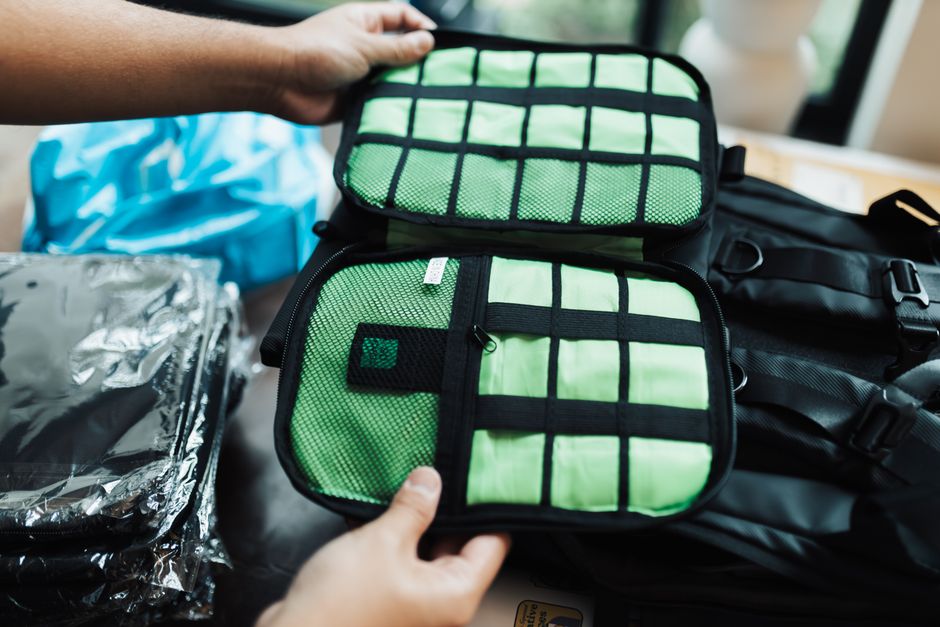
This is perhaps the most critical step. For those needing to pack a carry-on bag without overpacking, a well-designed bag is your best friend. Look for options with smart internal organization. A good travel bag often includes dedicated compartments for shoes, toiletries, and, importantly, a padded sleeve for laptop protection. For daily use or shorter trips, a versatile backpack or a structured weekend bag works wonders. Consider brands known for durability and thoughtful design, which often feature anti-theft design elements like lockable zippers or hidden pockets – essential for urban exploration or busy travel hubs like Charles de Gaulle or O’Hare.
2. Embrace the Capsule Wardrobe Concept
Select clothing items that can be mixed and matched to create multiple outfits. Stick to a coherent color palette (e.g., neutrals with one or two accent colors). Prioritize versatile pieces like dark jeans, a neutral blazer, and interchangeable tops. For a business trip, this might mean one suit jacket that can be worn with different shirts and trousers. Think about fabrics that resist wrinkles and are lightweight.
3. Master the Art of Rolling or Folding
While some swear by rolling clothes to save space and minimize wrinkles, others prefer specific folding techniques (like the KonMari method). Experiment to see what works best for your clothing items and your bag’s shape. For instance, stiffer fabrics might benefit from folding, while softer items like t-shirts and underwear compress well when rolled. Packing cubes are a practical advantage here, compartmentalizing your clothes and making it easier to find what you need without rummaging.
Shop in Style with Official-Desigual Bags: The Perfect Accessory for Fashion Enthusiasts
4. Prioritize and Downsize Toiletries
Travel-sized liquids (under 100ml/3.4oz) are non-negotiable for carry-on. Invest in reusable silicone bottles to decant your favorite products. Solid toiletries like shampoo bars, solid deodorant, and toothpaste tablets eliminate liquid restrictions entirely. Only pack what you’ll realistically use, and consider if you can buy common items like toothpaste or lotion at your destination.
5. Wear Your Bulkiest Items
Planning to bring a heavy jacket or bulky boots? Wear them on the plane. This immediately frees up significant space and weight in your carry-on. This strategy is particularly useful for colder destinations in Germany or Poland where warmer layers are a must.
6. Optimize Your Personal Item
Remember that most airlines allow a personal item in addition to your main carry-on. This is your prime real estate for essentials you need during the flight: passport, wallet, medications, electronics (laptop, tablet, phone, chargers), and a book. A well-organized crossbody bag or a compact backpack that slides under the seat in front of you can be incredibly useful. Many travelers opt for a dedicated laptop bag as their personal item, ensuring both easy access and laptop protection.
7. Leverage Digital Resources
Instead of packing guidebooks or reams of paper documents, download maps, travel guides, and booking confirmations to your phone or tablet. This reduces bulk and keeps information readily available.
Comparing Bag Types: Finding the Best Bags for Travel and Work
Choosing the right vessel is fundamental to mastering the art of packing a carry-on bag without overpacking. Different bags serve different purposes. Here’s a quick comparison:
| Bag Type | Pros | Cons | Ideal Use Case |
|---|---|---|---|
| Wheeled Carry-On Suitcase | Easy to maneuver, often rigid structure for protection, good for formal wear. | Can be bulky, less flexible for stuffing into tight spaces, heavier. | Business trips, longer leisure travel (3-7 days), where mobility is key. |
| Travel Backpack (Dedicated) | Hands-free, often has excellent internal organization (laptop protection), versatile. | Can feel heavy on shoulders, might wrinkle clothes if not packed well. | Adventure travel, backpacking, casual trips, active commuters. |
| Duffel/Weekend Bag | Flexible shape, often good capacity, stylish for short trips. | Can be awkward to carry when full, less internal organization. | Weekend getaways, gym, short overnight stays. |
| Laptop Bag / Crossbody Bag (Personal Item) | Compact, easy access to essentials, dedicated laptop protection, anti-theft design common. | Limited capacity for clothing, only suitable as a secondary bag. | Daily commute, complementing a larger carry-on, carrying inflight essentials. |
Common Mistakes to Avoid When Packing a Carry-On
Even with the best intentions, it’s easy to fall into common packing pitfalls:
Overestimating ‘What Ifs’: The temptation to pack for every conceivable scenario, from a sudden cold snap in Spain to an unexpected formal dinner, is strong. Resist it. Focus on what’s probable, not just possible. If you truly need something unforeseen, you can almost always purchase it at your destination, whether you’re in Paris or Portland, Oregon.
Ignoring Airline Restrictions: Different airlines, especially budget carriers in Europe like Ryanair or Wizz Air, have varying carry-on dimensions and weight limits. Always check these specifics for each leg of your journey. An oversized bag can lead to expensive gate fees.
Sustainable and Ethical Women’s Bag Brands You Need to Know About
Packing Too Many Shoes: Shoes are bulky and heavy. Limit yourself to the pair you wear and one additional versatile pair. For instance, comfortable walking shoes are essential for exploring European cities, and perhaps a dressier pair for evenings.
Forgetting About Weight: While size is often the primary concern for carry-ons, weight limits exist. A heavy bag, even if it fits the dimensions, can still be an issue. Invest in a small luggage scale if you’re frequently close to the limit.
Neglecting Accessibility: Don’t bury items you’ll need frequently, like your passport, boarding pass, or electronics, at the bottom of your bag. Use external pockets or your personal item for easy access, especially important for navigating security checks at major international airports like London Heathrow or Madrid-Barajas.
Frequently Asked Questions About Carry-On Packing
Q: What should I look for when choosing an everyday bag for travel and work?
A: For an everyday bag that doubles for travel, prioritize solid construction, comfortable straps, and smart organization. Key features include a dedicated, padded laptop compartment for laptop protection, an anti-theft design (e.g., RFID-blocking pockets, lockable zippers), and weather-resistant materials. The best bags for travel and work often balance capacity with a sleek profile.
Q: How can I fit a week’s worth of clothes into a carry-on?
A: To fit a week’s worth, focus on a capsule wardrobe: interchangeable items in a limited color palette. Roll clothes tightly or use packing cubes for compression. Wear your bulkiest items. Prioritize lightweight fabrics and leave non-essentials at home. Consider doing laundry if you’re traveling for more than 5-7 days.
Q: Are packing cubes really worth it for carry-on travel?
A: Absolutely. Packing cubes revolutionize carry-on organization by compressing clothes, separating categories (e.g., clean/dirty, tops/bottoms), and making it easier to find items without unpacking everything. They help maintain structure within your bag, allowing you to pack a carry-on bag without overpacking effectively.
Q: What are the essential documents I need in my carry-on?
A: Always keep your passport, visas (if required for your destination like certain countries in Schengen Area for non-EU citizens), boarding passes (physical or digital), wallet, credit cards, and any essential travel insurance documents readily accessible in your personal item or a secure, easily reachable pocket of your carry-on. A copy of your itinerary is also advisable.
Q: Can I bring electronics like laptops and power banks in my carry-on?
A: Yes, it’s highly recommended to pack laptops, tablets, and power banks (lithium-ion batteries) in your carry-on. This ensures laptop protection and complies with aviation safety regulations that generally restrict spare lithium batteries in checked luggage. Be prepared to remove electronics from your bag for security screening.
Packing a carry-on bag without overpacking is a skill that improves with practice, transforming your travel experience from cumbersome to liberating. By making smart choices about your bag and your contents, you can navigate airports, trains, and city streets with ease, leaving the stress of heavy luggage behind. Explore more bags guides on GoTrendlin for further insights and recommendations.