

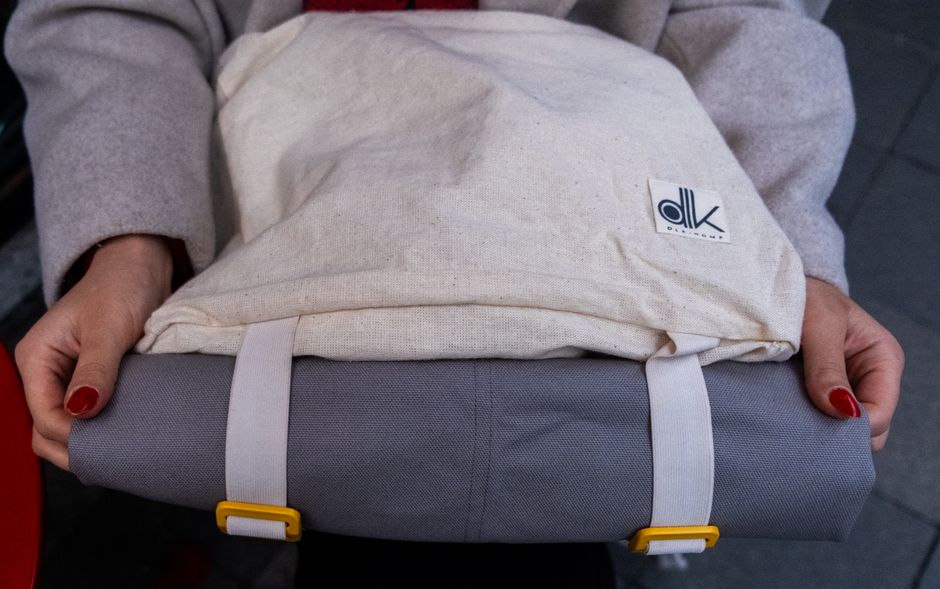
When choosing an everyday bag for work, errands, and weekend plans, prioritize versatility, durability, and practical organization. Look for features like dedicated laptop protection, comfortable straps for extended wear, and sufficient capacity to hold daily essentials plus extra items for spontaneous plans or travel. Consider weather-resistant materials, anti-theft design elements for peace of mind in busy urban environments or while traveling, and a style that complements your personal aesthetic. The ideal bag balances functionality with comfort and security, ensuring it can seamlessly transition from a professional setting to a casual outing or a short trip.
We’ve all been there: juggling a coffee, a laptop bag, a grocery tote, and a gym duffel on the morning commute. Or perhaps you’re packing for a spontaneous weekend trip from Paris to the South of France, trying to fit everything into a bag that also serves you well during the work week. The quest for the perfect everyday bag — one that effortlessly transitions from work to errands to weekend plans — often feels like searching for a mythical creature.
A common mistake is buying a bag for a single purpose, only to find it’s ill-suited for the myriad of other roles it needs to play. A sleek briefcase might look sharp in a meeting but proves impractical for carrying groceries. A spacious backpack is great for travel but might feel out of place in a formal office. The key is finding a design that’s truly versatile, durable, and thoughtfully organized.
This guide cuts through the noise to help you identify the best everyday bags for work, errands, and weekend plans, focusing on real-world utility for travelers, commuters, students, and professionals across the US, UK, Germany, France, Italy, Spain, and Poland. We’ll explore what truly makes a bag great for all scenarios, from your daily grind to your next adventure.
Understanding Your Daily & Travel Demands
Before diving into specific bag types, it’s crucial to understand the demands you place on an everyday bag. Are you primarily a cyclist in Amsterdam needing a comfortable and secure carry, or a busy professional in New York City relying on public transport? Do you frequently travel for work between Frankfurt and London, requiring your bag to double as a carry-on, or are your weekends spent exploring local markets and parks?
The ideal bag isn’t just about aesthetics; it’s about solid functionality tailored to your lifestyle. This means considering everything from the weight you typically carry to the climate you live in. A bag might look great online, but in practice, if it’s uncomfortable, lacks proper organization, or can’t protect your valuables, it’s not the right fit.
Essential Features for Everyday Versatility
When selecting the best everyday bags for work, errands, and weekend plans, certain features consistently rise to the top:
Small Bags with Surprisingly Useful Storage for Daily Life
- Laptop Protection: For most professionals and students, a dedicated, padded laptop sleeve is non-negotiable. Ensure it fits your specific device size, ideally with additional padding at the bottom to protect against drops. Some bags offer suspended sleeves, which lift your laptop off the bag’s base, providing superior protection.
- Organizational Pockets & Compartments: Beyond the main compartment, look for intelligent interior and exterior pockets. Think quick-access pockets for your phone or passport, pen loops, key clips, and secure zippered sections for valuables. This prevents a frustrating scramble for items.
- Comfortable Carrying Options: Whether it’s padded shoulder straps for a backpack, a comfortable crossbody strap, or sturdy grab handles, the way you carry your bag significantly impacts your experience. Adjustable straps are vital, as is a design that distributes weight evenly, especially for heavier loads or longer wear.
- Durable & Weather-Resistant Materials: Life happens. Look for bags made from high-quality, rip-resistant fabrics like ballistic nylon, solid polyester, or treated canvas. Water-resistant or waterproof coatings are a huge plus, offering peace of mind when caught in a sudden downpour, whether you’re in Manchester or Milan.
- Security & Anti-Theft Design: In crowded areas, like metro stations in Paris or busy markets in Barcelona, anti-theft features are invaluable. These can include lockable zippers, hidden pockets for passports and wallets, slash-resistant materials, and RFID-blocking pockets to protect against digital theft.
- Capacity & Expandability: Your bag needs to fit your daily essentials without feeling overstuffed, but also offer a little extra room for that unexpected grocery run or a change of clothes for an overnight trip. Some bags feature expandable sections, which are incredibly useful for switching between daily carry and travel.
- Carry-on Compatibility: If frequent travel is part of your routine, ensure your chosen bag meets airline carry-on regulations. This usually means fitting under the seat or in the overhead bin. Look for bags designed specifically as personal items or small carry-on luggage.
Comparing Top Everyday Bag Types
Different bag styles excel in different scenarios. Here’s a comparison of popular types, highlighting their strengths and weaknesses for your multi-faceted life:
| Bag Type | Strengths | Best For | Considerations |
|---|---|---|---|
| Backpack | Excellent weight distribution, often spacious, good laptop protection, many travel features (carry-on compliant). | Commuters, students, travelers, active individuals. | Can look less formal. May not be ideal for quick access without removing. |
| Messenger Bag | Quick access to contents, generally good for laptops, stylish, comfortable for cycling. | Commuters, urban explorers, professionals in casual environments. | Weight can be unevenly distributed on one shoulder. Less secure than a backpack for heavy loads. |
| Crossbody Bag / Sling Bag | Hands-free, secure close to body, great for essentials, anti-theft options. | Errands, weekend outings, light travel, security-conscious individuals. | Limited capacity, usually not suitable for laptops (unless small tablet). |
| Tote Bag (structured) | Stylish, open access, can hold a lot, often has internal organization. | Office workers, those needing to carry bulkier items, shopping. | Open top can be a security risk. Less comfortable for long carries. |

Common Mistakes to Avoid When Choosing Your Bag
Selecting the right bag isn’t just about what to look for; it’s also about avoiding common pitfalls that lead to buyer’s remorse.
One frequent error is prioritizing aesthetics over functionality. A bag might look stunning in a shop window or online, but if it lacks the practical features you need – like proper laptop protection or comfortable straps for your commute across Berlin – it will quickly become a nuisance. Always consider your real-world use cases before committing to a purchase.
Another mistake is underestimating the importance of size and capacity. Buying a bag that’s too small means you’ll constantly be overstuffing it, leading to discomfort and premature wear. Conversely, a bag that’s too large can feel cumbersome and encourage you to carry unnecessary items, adding to your burden, especially when navigating busy train stations in Rome or London.
Ignoring the material and construction quality is also a pitfall. Cheap materials might save you money upfront, but they’re likely to tear, fray, or fail under regular use, particularly if you’re frequently traveling or carrying heavy items. Investing in durable, weather-resistant materials and solid stitching pays off in the long run, ensuring your bag can withstand the rigors of daily life and travel.
Finally, neglecting security features can be a costly error. In today’s interconnected world, and especially when traveling through tourist hotspots like Paris or Rome, anti-theft design elements are more important than ever. Lockable zippers, RFID-blocking pockets, and slash-resistant panels offer peace of mind, protecting your valuables and personal data from opportunistic thieves. Don’t assume every bag is created equal in this regard.
Vegan Leather vs. Real Leather Bags: What Shoppers Should Know for Travel & Work
FAQ: Finding Your Ideal Everyday Bag
What features are crucial for a bag used for both work and travel?
For a hybrid work and travel bag, prioritize a dedicated, padded laptop compartment, carry-on size compatibility (especially for carry-on), and excellent organization with multiple pockets. Look for comfortable, adjustable straps, durable and weather-resistant materials, and ideally some anti-theft design elements like lockable zippers or hidden pockets for peace of mind when commuting or exploring.
How important is laptop protection in an everyday bag?
Laptop protection is extremely important for most users, especially professionals and students. A dedicated, padded sleeve that suspends the laptop off the bottom of the bag offers the best defense against bumps and drops. Without adequate protection, your device is vulnerable to damage, which can be costly and disruptive to your work or studies.
Are anti-theft features really necessary for everyday bags?
Anti-theft features are highly recommended, particularly if you travel frequently, use public transport, or navigate crowded urban areas in cities like London, Paris, or New York. Features such as lockable zippers, slash-resistant materials, hidden pockets, and RFID-blocking compartments significantly enhance security, protecting your valuables and personal data from opportunistic theft.
What’s the best material for a versatile everyday bag?
The best materials for a versatile everyday bag are durable and often water-resistant. Options like ballistic nylon, high-denier polyester, or treated canvas offer excellent longevity and protection against the elements. Leather can be stylish but may require more maintenance and be heavier. Consider your climate and aesthetic preferences when choosing.
Can one bag truly work for work, errands, and weekend plans?
Yes, one bag can absolutely work for all three if chosen wisely. The key is versatility, thoughtful design, and appropriate capacity. A well-designed backpack or a structured messenger bag with good internal organization, comfortable carrying options, and the ability to expand slightly often fits the bill perfectly, adapting from professional settings to casual outings and short trips.
How do I ensure my everyday bag is carry-on compliant for European flights?
To ensure carry-on compliance for European flights, always check the specific airline’s dimensions for both overhead and under-seat baggage. Generally, a bag around 55x40x20 cm (21x15x9 inches) will fit most overhead compartments, while personal items are smaller. Many popular backpack and messenger bag brands now explicitly state their carry-on compatibility, making selection easier.
Choosing the right everyday bag is an investment in your comfort, productivity, and peace of mind. By focusing on practical features like laptop protection, anti-theft design, and versatility, you can find a bag that truly supports your demanding lifestyle, whether you’re navigating the bustling streets of Rome, commuting to work in Madrid, or embarking on a weekend getaway from Warsaw. Explore more bags guides on GoTrendlin to discover your next essential carry.