


Before buying useful everyday products from an unfamiliar online store, it’s crucial to verify its legitimacy and security. Start by checking for clear contact information, secure payment gateways (look for ‘https://’ and a padlock icon), and transparent return policies. Review customer feedback on independent sites and ensure product descriptions are detailed and realistic. A legitimate store will prioritize online safety, offer reliable shipping estimates, and display clear terms and conditions, helping you make informed decisions and avoid potential scams or disappointment with your home upgrades or travel planning purchases.
In our modern world, the allure of finding unique items, better deals, or specific useful everyday products often leads us beyond the well-trodden paths of major retailers. Whether you’re furnishing a new flat in Berlin, planning a family holiday to the Algarve, or just upgrading your kitchen gadgets in Manchester, the internet offers a seemingly endless array of options. This convenience, however, comes with a significant caveat: the rise of unfamiliar online stores.
It’s easy to get drawn in by attractive pricing or a product you simply can’t find elsewhere. But how do you discern a legitimate, trustworthy seller from a potential scam or a store that simply won’t deliver on its promises? The fear of losing money, receiving a subpar product, or even compromising personal data is a very real concern for shoppers across the US, UK, Germany, France, Italy, Spain, and Poland.
This guide aims to equip you with practical, actionable steps to navigate the online shopping landscape safely, especially when venturing into new territory. We’ll focus on what to check before buying from an unfamiliar online store, ensuring your purchases contribute to genuine home upgrades, smoother travel planning, and overall saving money, rather than becoming a source of regret.

Initial Checks for a Trustworthy Online Store
When you stumble upon a new online shop, whether it’s through a social media ad, a search engine result, or a recommendation, a quick but thorough initial assessment is your first line of defense. Here’s a rundown of key areas to scrutinize:
- Website Security (HTTPS & Padlock): Always check for ‘https://’ at the start of the URL and a padlock icon in your browser’s address bar. This indicates a secure connection, vital for protecting your personal and payment information.
- Contact Information: A legitimate business will have clear, easy-to-find contact details, including an email address, phone number, and physical address. Be wary of sites with only a generic contact form.
- Professional Appearance: While not foolproof, a professionally designed website with good grammar and clear images is usually a positive sign. Typos, pixelated images, and clunky navigation can indicate a less reputable operation.
- Product Information: Look for detailed product descriptions, multiple high-quality images, and specific specifications. Generic or vague details are red flags.
- Transparent Policies: Clear information on shipping, returns, refunds, and privacy should be readily available and easy to understand.
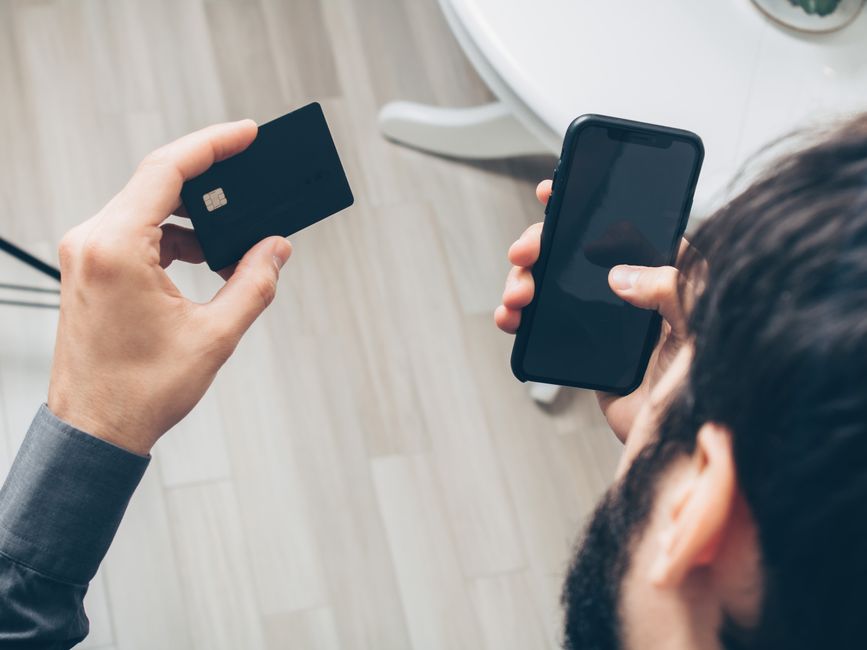
- Payment Options: Reputable sites offer common, secure payment methods like credit cards, PayPal, or Google Pay. Be cautious if they only accept wire transfers or cryptocurrency, as these offer little buyer protection.
Investigating Company Legitimacy and Reputation
Beyond the surface-level checks, a deeper dive into the company’s background and reputation can reveal a lot about its trustworthiness. This step is particularly important when considering expensive useful everyday products or making significant home upgrades.
Searching for Company Information
Start with a simple Google search for the store’s name, followed by terms like ‘reviews,’ ‘scam,’ or ‘complaints.’ Look for consistent feedback across multiple independent review platforms like Trustpilot, Sitejabber, or even the Better Business Bureau in the US. Be wary if you find very few reviews, or only overwhelmingly positive, generic ones—these can sometimes be fabricated.
For businesses operating within the EU, such as in Germany or France, you might also look for a company registration number (often found in the ‘Impressum’ or legal notice), which can be cross-referenced with national business registries. This level of transparency is a good indicator of a legitimate operation.
Assessing Customer Reviews and Testimonials
Don’t just skim the star ratings. Read a variety of reviews, both positive and negative. Look for patterns in complaints, such as issues with product quality, shipping delays, or customer service. Pay attention to how the company responds to negative feedback, if at all. A store that actively engages with and resolves customer issues often demonstrates a commitment to satisfaction.
Also, consider the age of the reviews. If all reviews are very recent, it could be a new store, or a red flag if it’s attempting to hide older, negative feedback. A long history of varied reviews is generally a good sign.
Understanding Their Online Presence
Beyond their own website, check their social media presence. Do they have active profiles on platforms like Facebook, Instagram, or Twitter? Are they engaging with customers? A strong, consistent social media presence can be a positive indicator. However, also be critical—are their followers real, or do they seem bought? Engagement rates often tell a truer story than follower counts.
Scrutinizing Product Details and Pricing
Practical Digital Tools That Save Time for Busy Households Across Europe and the US
When purchasing useful everyday products, the devil is often in the details. Vague product descriptions or unbelievably low prices are major warning signs that demand careful attention.
Detailed Product Descriptions and Images
Legitimate sellers invest in clear, comprehensive product descriptions. They will typically include dimensions, materials, care instructions, and specific features. If a product description is minimal, generic, or poorly translated, it’s a cause for concern. High-quality images from multiple angles are also crucial. Be cautious if images appear stolen from other websites or are too generic to properly assess the item.
For instance, if you’re buying a new coffee machine for your kitchen in Italy, look for details on wattage, water capacity, specific brewing functions, and material quality. Vague promises of ‘great coffee’ are not enough.
Realistic Pricing
While everyone loves a bargain, prices that seem too good to be true often are. If an item is significantly cheaper than similar products from established retailers, investigate why. Is it a different brand? A smaller version? A refurbished item? Or is it simply a tactic to lure unsuspecting buyers? Unrealistic pricing can be a strong indicator of counterfeit goods or a non-existent product.
For example, a €50 Dyson vacuum cleaner is highly suspicious. Always compare prices across several reputable retailers before committing to an unknown store. Budgeting is key here; don’t let the desire for a deal override common sense.
Evaluating Payment Security and Data Protection
Protecting your financial and personal data is paramount when shopping online. This section focuses on the technical aspects that ensure online safety during transactions.
Secure Payment Gateways
As mentioned, the ‘https://’ and padlock icon are non-negotiable. Beyond that, ensure the store uses well-known and trusted payment processors. When you proceed to checkout, you should ideally see familiar logos like Visa, Mastercard, PayPal, or Stripe. These services offer various levels of buyer protection that can be invaluable if something goes wrong.
Avoid any store that asks you to pay via unconventional methods like direct bank transfers to an individual, gift cards, or cryptocurrency unless you are absolutely certain of the seller’s legitimacy and understand the risks. These methods often offer no recourse if you do not receive your item or it’s not as described.
Privacy Policy and Data Handling
Every reputable online store should have a clear and accessible privacy policy. This document outlines how your personal data—name, address, email, payment information—is collected, stored, and used. In the EU, compliance with GDPR is a legal requirement, meaning policies should be particularly solid and transparent in countries like Spain or Poland.
Take a moment to read it. Does it explain how they protect your data? Do they share it with third parties, and if so, for what purpose? A vague or non-existent privacy policy is a serious red flag, indicating a potential disregard for your online safety.
Understanding Shipping, Returns, and Customer Service
Even with a legitimate product and secure payment, issues can arise. Knowing the store’s policies on shipping, returns, and customer service can save you significant headaches.
Clear Shipping Information
Before placing an order, understand the shipping costs, estimated delivery times, and whether tracking is provided. Hidden shipping fees are a common complaint. Be wary of extremely long delivery estimates (e.g., 6-8 weeks) from a store claiming to be in your region, as this can suggest dropshipping from a distant country with little oversight.
For international orders, especially into the UK or EU, be aware of potential customs duties and import taxes. A transparent store will often provide information or warnings about these additional costs. Failing to account for these can quickly diminish any perceived savings.
The Beginner’s Checklist for Safer Online Shopping
Hassle-Free Returns and Refunds
A clear, fair return policy is a hallmark of a customer-focused business. Look for details on return windows (e.g., 14 or 30 days), who pays for return shipping, and how refunds are processed. Stores with overly strict, confusing, or non-existent return policies are best avoided. In many European countries, consumer protection laws grant specific return rights, so check if the store’s policy aligns with local regulations.
Imagine buying a home decor item in France that doesn’t quite match your interior. A straightforward return policy makes this a minor inconvenience, not a major problem.
Responsive Customer Support
Before you even buy, consider testing their customer service. Send an email with a query about a product or policy. How quickly and comprehensively do they respond? A lack of response or generic, unhelpful replies can indicate poor post-purchase support, which is critical if you encounter issues with your order.
FAQ: Protecting Your Online Purchases
How can I make everyday purchases more useful and affordable?
To make everyday purchases more useful and affordable, focus on quality over quantity, read reviews thoroughly, and compare prices from multiple reputable sources. Consider buying multi-functional items or those with a long lifespan. Utilizing price comparison tools, signing up for store newsletters for discounts, and checking for seasonal sales can also significantly reduce costs while ensuring you get genuinely useful products.
What should I do if a deal seems too good to be true?
If a deal seems too good to be true, it likely is. Conduct extra diligence: compare prices with other retailers, check for hidden costs like exorbitant shipping, and scrutinize customer reviews for complaints about product quality or non-delivery. Scammers often use irresistible prices to lure unsuspecting buyers, making cautious verification essential to protect your money.
Are review sites always reliable for unfamiliar stores?
No, review sites are not always entirely reliable. While many offer genuine insights, some stores use tactics like buying fake reviews or aggressively removing negative ones. Look for patterns in reviews, check the reviewer’s history, and prioritize independent platforms like Trustpilot over reviews solely on the store’s own site. A mix of positive and constructive negative feedback often indicates authenticity.
What payment methods offer the most buyer protection?
Credit cards and services like PayPal generally offer the strongest buyer protection. Credit card companies often have dispute resolution processes that allow you to challenge fraudulent charges. PayPal provides buyer protection for eligible purchases, helping you get a refund if an item isn’t received or is significantly not as described. Avoid wire transfers or direct bank deposits to unknown entities, as these offer minimal recourse.
How important is a physical address for an online store?
A physical address is very important as it signifies transparency and legitimacy. It provides a real-world location for the business, which can be useful for legal purposes or direct contact if issues arise. While not all legitimate online-only businesses have a storefront, a clear physical address on their website, especially for a registered company, adds a significant layer of trust and accountability.
Key Takeaways for Safe Online Shopping
Navigating the vast world of online shopping, especially when exploring unfamiliar stores, requires a blend of vigilance and common sense. The goal is to maximize the convenience and potential for saving money while minimizing risks to your online safety and financial well-being. By following these practical steps, you can confidently find useful everyday products for your home upgrades, travel planning, or daily needs.
Remember to always start with the basics: check website security, verify contact information, and scrutinize product details and pricing. Delve deeper into customer reviews from independent sources and understand the store’s shipping and return policies. Your payment security and data privacy should never be an afterthought.
Ultimately, a little proactive investigation can save you from significant headaches, lost money, and disappointment. Empower yourself with knowledge so your online shopping experiences, whether in the US, across Europe, or anywhere else, are always positive and rewarding. Explore more others guides on GoTrendlin for further tips and insights.