


Making everyday purchases more useful and affordable online hinges on smart shopping habits and robust security practices. By diligently verifying website legitimacy, opting for secure payment methods like credit cards or established digital wallets, and prioritizing strong, unique passwords, you can significantly reduce risks. Additionally, comparing prices across reputable retailers and leveraging browser extensions that check for deals can make useful everyday products more affordable, ensuring your online shopping experience is both safe and cost-effective. This beginner’s checklist for safer online shopping empowers you to make informed decisions.
In an era where everything from a new coffee maker for your kitchen to tickets for your next European vacation is just a click away, the convenience of online shopping is undeniable. But with this ease comes a critical need for vigilance. Whether you’re in Berlin browsing for home upgrades or planning a trip from London, understanding the fundamentals of online safety is paramount. A common mistake is assuming every website is secure, or that a good deal trumps all other considerations.
This guide offers a practical, beginner’s checklist for safer online shopping, designed to help households, shoppers, and travelers alike navigate the digital marketplace with confidence. We’ll explore how to identify secure websites, protect your personal and financial information, and make sure those useful everyday products you’re buying are genuinely safe and beneficial. It’s about empowering you to make smart, secure choices every time you click ‘add to cart’.
Laying the Groundwork: Essential Security Basics
Before you even think about entering your payment details, it’s crucial to ensure you’re on a legitimate and secure platform. This isn’t just about avoiding scams; it’s about protecting your identity and ensuring your transactions are private. For most readers, this means developing a habit of quick checks.
Identifying Secure Websites and Legitimate Retailers
The first step in any safe online transaction is verifying the website itself. Look for the padlock icon in the browser’s address bar and ‘https://’ at the beginning of the URL. The ‘s’ stands for secure, indicating that data transmitted between your browser and the website is encrypted. Without it, your information is vulnerable. In Europe, especially in countries like Germany and France, consumer protection laws are strong, but even so, personal vigilance is your best defense.
- Check the URL carefully: Scammers often create websites with URLs very similar to famous brands, like ‘Amazonn.com’ or ‘eBays.co.uk’. A quick glance might miss the subtle difference.
- Review website design and content: Legitimate sites are usually professionally designed with clear, error-free language. Typographical errors, poor grammar, or pixelated logos can be red flags.
- Look for contact information: A reputable retailer will provide clear contact details, including a physical address, phone number, and email. Be wary if this information is missing or hard to find.
- Read reviews, but with a grain of salt: While reviews can be helpful, always cross-reference them. A sudden influx of overwhelmingly positive reviews or a lack of any negative feedback might be suspicious.
Strong Passwords and Two-Factor Authentication (2FA)
Your password is the first line of defense against unauthorized access to your accounts. Using strong, unique passwords for each online shopping account is non-negotiable. Think of it like this: if a burglar finds the key to one of your doors, you don’t want them to have access to every other door in your house. Password managers like LastPass or 1Password can help you generate and store complex passwords securely.
Furthermore, enable two-factor authentication (2FA) wherever possible. This adds an extra layer of security, typically requiring a code sent to your phone or generated by an authenticator app in addition to your password. Many major retailers and payment platforms, including those popular in the US, UK, and Spain, offer 2FA, making it easier to secure your home upgrades and other purchases.
Protecting Your Wallet: Payment Security and Budgeting
Once you’ve confirmed a website’s legitimacy, the next crucial step is ensuring your payment information remains secure. This is where smart financial habits meet digital safety. For households focused on saving money, this also ties directly into budgeting.
Secure Payment Methods: Credit Cards and Digital Wallets
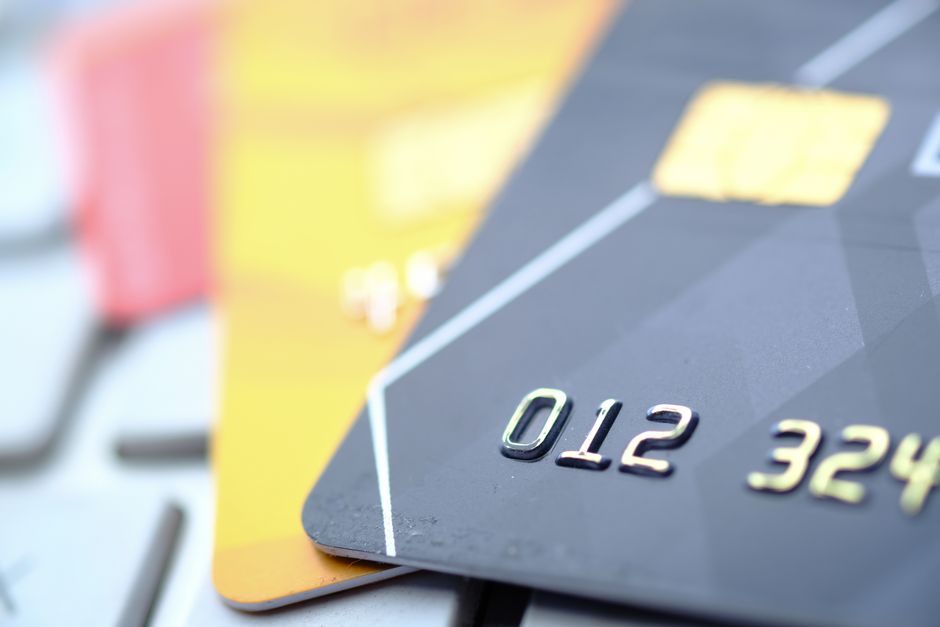
When making useful everyday purchases, always opt for payment methods that offer strong consumer protection. Credit cards are often preferred over debit cards because they offer fraud protection. If fraudulent charges occur, the credit card company is generally responsible, not you, limiting your liability. Many credit cards also offer purchase protection or extended warranties, which can be invaluable.
Building a Realistic Monthly Budget for Useful Everyday Products and Lifestyle Purchases
Digital wallets like PayPal, Apple Pay, or Google Pay add another layer of security. They tokenize your payment information, meaning the retailer never actually sees your credit card number. This is particularly useful for shoppers across Germany, Italy, and Poland, where various digital payment solutions are becoming increasingly common for online transactions and travel planning.
Beware of Public Wi-Fi for Transactions
While convenient, public Wi-Fi networks in cafes, airports, or hotels are often unsecured and susceptible to ‘eavesdropping’ by cybercriminals. Avoid making purchases or accessing sensitive accounts when connected to public Wi-Fi. If you must shop on the go, use your mobile data or a reputable Virtual Private Network (VPN) for an encrypted connection. This small step can prevent major headaches and protect your financial details from falling into the wrong hands.
Data Privacy and Recognizing Scams: Beyond the Checkout
Online safety extends beyond the transaction itself. How your data is handled and your ability to spot sophisticated scams are equally important for a beginner’s checklist for safer online shopping.
Understanding Privacy Policies and Data Use
Before making any purchase, especially from a new retailer, take a moment to understand their privacy policy. While often lengthy, these documents outline how your personal data—from your email address to your browsing history—will be collected, stored, and used. Look for clear statements on whether your data will be shared with third parties. Many European Union countries, under GDPR regulations, provide consumers with significant rights regarding their data, so companies operating there must adhere to strict transparency standards. Being informed is a key part of online safety.
Spotting Phishing and Other Online Scams
Scammers are constantly evolving their tactics. Phishing emails, which impersonate legitimate companies or banks, are a common threat. These emails often contain urgent language and deceptive links designed to steal your login credentials or financial information. Always hover over links before clicking to see the actual destination URL, and be suspicious of unexpected emails asking for personal data.
Other scams include fake prize notifications, ‘too good to be true’ discounts on useful everyday products, or urgent requests for payment in unusual forms (like gift cards). Remember, if an offer seems unbelievably good, it probably is. Never click on suspicious links, download attachments from unknown senders, or give out personal information unless you are absolutely certain of the recipient’s legitimacy.

Smart Shopping Habits: Saving Money Safely
Part of making everyday purchases useful and affordable involves not just security, but also savvy shopping practices. This isn’t just about finding the lowest price, but about finding the best value safely.
Comparing Prices and Leveraging Deals Responsibly
Before committing to a purchase, compare prices across several reputable retailers. Use price comparison websites or browser extensions that track pricing history. However, always ensure these tools are from trusted sources themselves. Be wary of aggressive pop-ups claiming to offer instant, massive discounts that seem to bypass normal channels; these can sometimes lead to fraudulent sites.
For significant purchases, like home upgrades or travel planning, consider waiting for sales events such as Black Friday, Cyber Monday, or seasonal clearances. Many German, French, and UK retailers offer substantial discounts during these periods. This approach helps you in saving money without compromising on the quality or safety of your purchase.
Practical Digital Tools That Save Time for Busy Households Across Europe and the US
Reading Product Reviews and Understanding Returns Policies
Genuine product reviews from other shoppers provide invaluable insight into the quality and utility of a product. Focus on reviews that offer detailed pros and cons, especially those with photos. Pay attention to the return policy before you buy. A clear and fair return policy is a hallmark of a trustworthy seller. Understand the timeframe for returns, who pays for shipping, and how refunds are processed, especially for cross-border purchases within the EU or shipments to the US.
Sustainability and Convenience: Making Conscious Choices
As part of a beginner’s checklist for safer online shopping, considering the broader impact of your purchases aligns with both personal values and practical considerations like budgeting and long-term utility.
Choosing Sustainable and Ethical Retailers
For many households, especially in environmentally conscious regions like Germany and parts of the UK, the sustainability practices of a retailer are as important as price and convenience. Look for retailers that prioritize ethical sourcing, fair labor practices, and eco-friendly packaging. Many online stores now highlight their sustainability initiatives, making it easier to choose products that align with your values. This thoughtful approach enhances the ‘useful’ aspect of everyday products beyond their immediate function.
The Role of Convenience in Secure Shopping
While security should always be paramount, convenience plays a significant role in everyday online shopping. Reputable retailers invest heavily in secure, user-friendly platforms that balance ease of use with solid security. Look for streamlined checkout processes, clear order tracking, and reliable customer service. When a website offers a smooth, intuitive experience alongside strong security features, it’s generally a good indicator of a trustworthy platform dedicated to a positive customer journey. This makes the entire process of saving money and acquiring useful everyday products more pleasant and secure.
FAQ: Your Questions on Safer Online Shopping Answered
How can I make everyday purchases more useful and affordable?
To make everyday purchases more useful and affordable, focus on quality over quantity, compare prices diligently across trusted sites, and utilize sales and discounts from reputable retailers. Investing in durable items that serve multiple purposes and avoiding impulsive buys can also significantly enhance affordability and long-term utility. Always consider the total cost of ownership, including potential maintenance.
What are the biggest red flags for a fake online store?
The biggest red flags for a fake online store include an unsecured website (no ‘https://’ or padlock icon), unusual payment requests (wire transfers, gift cards), extremely low prices that seem too good to be true, poor grammar and spelling errors, and a lack of clear contact information or return policies. Always scrutinize the URL for subtle misspellings.
Is it safe to save my credit card details on shopping websites?
It can be relatively safe to save credit card details on highly reputable, well-known shopping websites that clearly state they use strong encryption and comply with PCI DSS standards. However, for maximum security, many experts recommend not saving your card details or using a digital wallet (like PayPal) that tokenizes your information, especially on less frequently used sites. This reduces your exposure in case of a data breach.
How do I know if a product review is genuine?
To identify genuine product reviews, look for detailed descriptions, specific pros and cons, and real-world photos. Be wary of reviews that are overly enthusiastic, lack detail, or appear to be copied and pasted. A mix of positive and negative feedback often indicates authenticity. Checking multiple review platforms can also help you gauge a product’s true reception.
What is two-factor authentication and why is it important for online shopping?
Two-factor authentication (2FA) adds a second layer of security beyond your password, typically requiring a code sent to your phone or generated by an app. It’s crucial for online shopping because even if a hacker obtains your password, they can’t access your account without this second verification. This significantly reduces the risk of unauthorized purchases or identity theft.
How can I ensure my personal data is protected when shopping online?
Protect your personal data by only providing necessary information, reading privacy policies, using strong, unique passwords with 2FA, avoiding public Wi-Fi for transactions, and being wary of phishing attempts. Regularly review privacy settings on shopping accounts and consider using a reputable VPN for an encrypted connection, especially when traveling.
Final Thoughts on Secure Online Shopping
Navigating the online marketplace doesn’t have to be a minefield. By implementing this beginner’s checklist for safer online shopping, you’re not just protecting your finances; you’re building habits that will serve you well in all your digital interactions. From understanding privacy policies to making smart choices about payment methods, every step contributes to a more secure and satisfying experience. Whether you’re hunting for useful everyday products, planning a grand adventure, or simply managing home upgrades, a secure approach means peace of mind and better value for your money. Explore more useful guides on GoTrendlin to continue enhancing your digital literacy and lifestyle.