

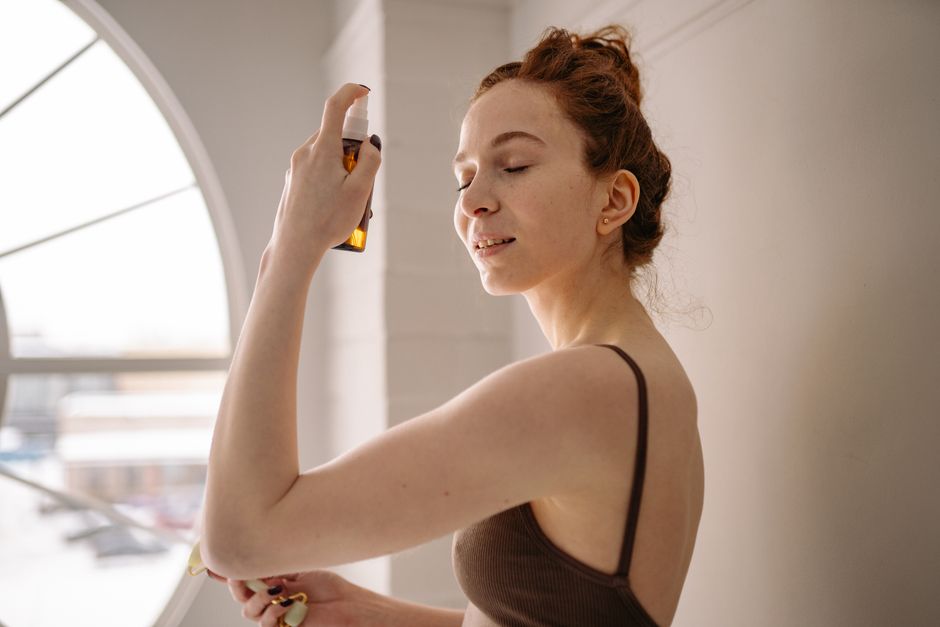
For a long-haul flight, a simple beauty routine for everyday use should focus on hydration and protection. Begin with a gentle cleanser, followed by a hydrating serum like hyaluronic acid, a rich moisturizer, and a broad-spectrum SPF 30+ sunscreen. During the flight, frequent misting with a hydrating spray and reapplying a thick lip balm are key. Skip heavy makeup to let your skin breathe. This streamlined approach minimizes irritation while combating the dry cabin air, making these beauty essentials and skincare beauty essentials for a long-haul flight non-negotiable for maintaining a healthy skin barrier.
Imagine stepping off a 10-hour flight, feeling refreshed and looking as vibrant as you did when you boarded. For many, the reality is quite different: parched skin, puffy eyes, and the distinct feeling of having aged several years in a matter of hours. The culprit? The incredibly dry, recirculated air in airplane cabins, which relentlessly saps moisture from your skin, leaving your delicate skin barrier compromised and vulnerable. This environmental stress can lead to dryness, sensitivity, and even unexpected breakouts, turning what should be an exciting journey into a beauty challenge.
It’s a common misconception that less is more when flying, but in fact, it’s about choosing the right less. Over-stripping your skin or neglecting it entirely will only exacerbate the problems. Instead, a targeted approach with the right beauty essentials and skincare beauty essentials for a long-haul flight can make all the difference, ensuring you land feeling fantastic, whether you’re heading to the vibrant streets of Paris, a business meeting in New York, or a relaxing holiday in Mallorca.
Preparing your skin properly before, during, and after your journey is paramount. You don’t need a bulky suitcase full of products, but rather a carefully curated selection of hardworking items designed to combat dehydration and protect your skin’s natural defenses. The goal is to nourish, hydrate, and shield, so you can focus on enjoying the anticipation of your destination.
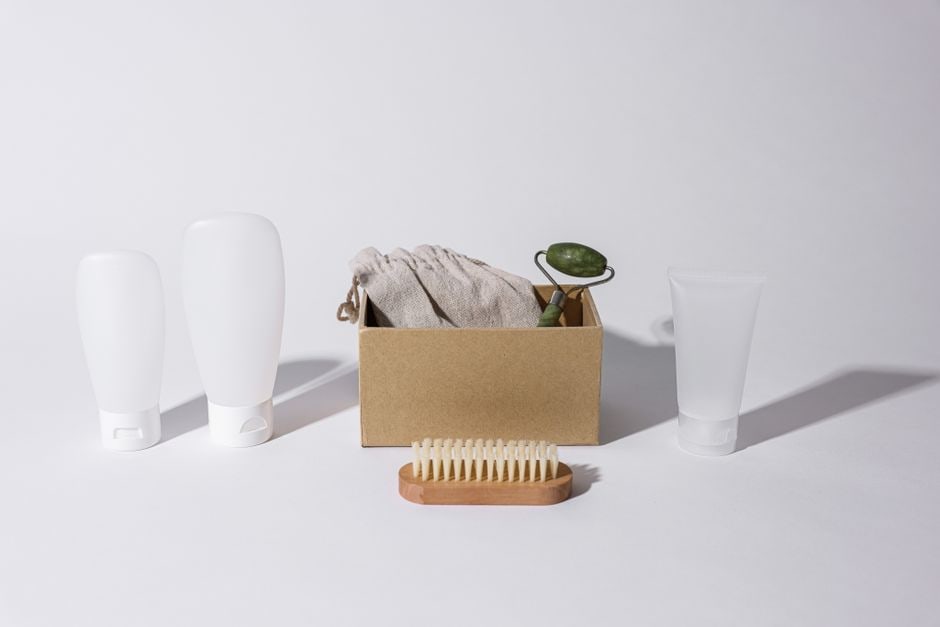
Quick Overview: Your In-Flight Beauty Strategy
- Hydration is King: Combat dry cabin air with layers of moisture.
- Protect Your Skin Barrier: Use gentle, nourishing products.
- SPF is Non-Negotiable: Even at altitude, UV rays are powerful.
- Less is More (of the Right Things): Opt for multi-tasking, travel-sized essentials.
- Hands Off: Avoid touching your face to prevent germ transfer.
- Prioritize Sleep: An eye mask and neck pillow can work wonders for your complexion.
- Water, Water, Water: Hydrate from the inside out.
- Post-Flight Recovery: Have a plan for after you land.
Pre-Flight Prep: Setting Your Skin Up for Success
Your long-haul flight beauty routine doesn’t start when you board; it begins hours, even days, before. Think of this as laying a strong foundation for your skin to weather the journey ahead. Preparing adequately means your skin is already in its best possible state, making it more resilient against the harsh cabin environment.
Hydration Boost: The Day Before
The day before your flight, focus on supercharging your skin’s hydration. Use a hydrating sheet mask or apply a generous layer of a rich, humectant-rich serum (like one with hyaluronic acid) followed by a creamy moisturizer. This creates a reservoir of moisture that your skin can draw upon during the flight. Avoid harsh exfoliants or new active ingredients like retinol immediately before flying, especially if you have sensitive skin, as these can increase sensitivity and compromise your skin barrier.
Clean Slate: The Morning of Your Flight
On the day of your flight, keep your routine simple and nourishing. Cleanse with a mild, non-foaming cleanser to avoid stripping natural oils. Follow with a hydrating toner, a hyaluronic acid serum, and a protective moisturizer. If you plan to wear makeup, keep it minimal – a tinted moisturizer or a CC cream is far better than a heavy foundation that can feel suffocating and clog pores in dry conditions.
In-Flight Essentials: Your Mid-Air Oasis
This is where your beauty essentials and skincare beauty essentials for a long-haul flight truly shine. The goal here is continuous hydration, protection, and refreshment. Remember, every few hours, your skin will be fighting an uphill battle against dehydration.
How to Keep Makeup Fresh During Hot Summer Travel: Your Ultimate Guide
The Hydration Heroes: Serums, Mists, and Moisturizers
First and foremost, bring a travel-sized hydrating serum. Hyaluronic acid is your best friend here, drawing moisture from the air (even dry cabin air) and holding it in your skin. Layer a rich, creamy moisturizer over your serum. Look for ingredients like ceramides, shea butter, or squalane, which help to fortify your skin barrier. Throughout the flight, mist your face with a hydrating facial spray. Brands like Evian or La Roche-Posay offer excellent thermal spring water mists that can provide instant relief and a dewiness boost. Apply your moisturizer again after misting to lock in that extra hydration.
Sunscreen at 30,000 Feet: Don’t Skip It!
It’s easy to forget about sunscreen when you’re indoors, even if that indoor space is an airplane. However, at cruising altitude, you are exposed to significantly higher levels of UV radiation, especially UVA rays which penetrate window glass. These rays contribute to premature aging and can damage your skin barrier. Apply a broad-spectrum SPF 30+ sunscreen before you board and reapply it every few hours, particularly if you have a window seat. Mineral sunscreens with zinc oxide or titanium dioxide are often a good choice for sensitive skin. This is one of the most crucial beauty essentials for a long-haul flight, often overlooked.
Lip and Eye Care: Targeted Treatment
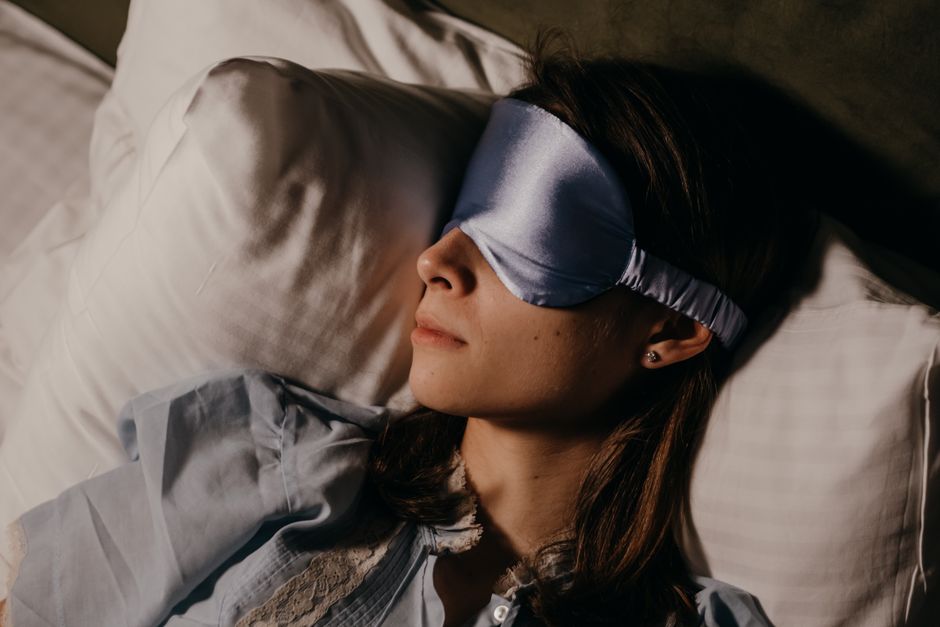
Your lips and the delicate skin around your eyes are often the first to show signs of dehydration. A thick, occlusive lip balm is essential. Look for formulations with lanolin, beeswax, or petrolatum to create a barrier against moisture loss. For your eyes, a hydrating eye cream or even a thick eye mask can prevent dryness and minimize the appearance of fine lines and dark circles. Some people swear by under-eye patches for an extra boost of hydration and a refreshed look.
Makeup Minimalists Rejoice: Less is Truly More
While some people prefer to wear a full face of makeup, for a long-haul flight, embracing a more minimalist approach is genuinely beneficial. Heavy foundations and powders can settle into fine lines, emphasize dryness, and feel uncomfortable. Opt for a tinted lip balm, a touch of cream blush, and perhaps some brow gel. If you feel the need for more, a BB or CC cream offers light coverage while still allowing your skin to breathe. Remember, the focus is on maintaining a healthy skin barrier and hydration, not covering up.
Post-Flight Recovery: Landing Refreshed
Once you’ve landed, your skin will be craving a reset. Don’t immediately revert to your full, intensive routine. Instead, gently bring your skin back to balance.
Gentle Cleanse and Replenish
Upon arrival, gently cleanse your face to remove any accumulated impurities from the flight. Follow with a hydrating toner, a soothing serum, and a rich moisturizer. This is a good time for a sheet mask again, to intensely rehydrate and calm your skin after the stress of travel. Avoid immediate exfoliation or harsh treatments; let your skin recover naturally.
Adjusting to Your New Environment
Depending on your destination, you might be adjusting to a new climate. If you’re going somewhere humid, you might find you need lighter moisturizers. If you’re heading to a colder, drier climate, continue with your richer, more protective products. Always remember your SPF, especially if you’re exploring outdoors in a sunny location like the French Riviera or the California coast. Adapting your routine slightly can prevent further skin stress.
A Practical Retinol Beginner Guide for Adults: Unlocking Skincare Potential
FAQ: Common Questions About In-Flight Skincare
What is a simple beauty routine for everyday use?
A simple beauty routine for everyday use involves three core steps: cleanse, treat, and moisturize. Start with a gentle cleanser to remove impurities. Follow with a targeted treatment, like a serum for hydration (e.g., hyaluronic acid) or antioxidants. Finish with a moisturizer suitable for your skin type to lock in hydration and protect your skin barrier. Always add a broad-spectrum sunscreen in the morning.
Can I bring liquid beauty products on a flight?
Yes, you can bring liquid beauty products on a flight, but they must comply with the TSA’s 3-1-1 rule (or similar regulations in the UK, EU, or other countries). This means liquids, gels, and aerosols must be in containers 3.4 ounces (100 milliliters) or smaller, and all containers must fit in one quart-sized (liter-sized) clear, plastic, zip-top bag, with one bag per passenger. Larger containers must be packed in checked luggage.
Is it necessary to wear sunscreen on a long-haul flight?
Absolutely yes. While airplane windows block most UVB rays, they do not fully block UVA rays, which penetrate deeper into the skin and contribute to aging and skin cancer. At cruising altitude, UV radiation is significantly stronger. Applying and reapplying a broad-spectrum SPF 30+ sunscreen, especially if you have a window seat, is a critical part of your beauty essentials for a long-haul flight to protect your skin barrier.
What products should I avoid using on a flight?
It’s best to avoid harsh exfoliants (like strong AHAs/BHAs or physical scrubs), new active ingredients (like high-strength retinol), and heavy, pore-clogging makeup. These can irritate skin that’s already stressed by the dry cabin air or lead to breakouts. Stick to gentle, hydrating, and barrier-supporting products to keep your skin calm and comfortable.
How can I reduce puffiness around my eyes after a flight?
To reduce post-flight eye puffiness, try applying a chilled eye mask or cool compresses. Gentle massage around the eye area can also help lymphatic drainage. Ensuring you stay well-hydrated during the flight and getting adequate rest are also key preventive measures. Some eye creams contain caffeine, which can temporarily constrict blood vessels and reduce puffiness.
Key Takeaways: Arrive Refreshed and Radiant
Mastering your in-flight beauty routine doesn’t require a professional aesthetician or an overflowing vanity case. It’s about a strategic, informed approach that prioritizes your skin’s health and resilience. By focusing on essential skincare beauty essentials for a long-haul flight, you can effectively combat the dehydrating effects of cabin air and ensure your skin remains balanced and vibrant. Remember, **hydration, protection, and simplicity** are your guiding principles.
From choosing the right travel-sized serums and moisturizers to diligently applying sunscreen, every step contributes to a more comfortable journey and a refreshed arrival. Whether you’re flying across the Atlantic to Berlin, over the Andes, or between continents to visit family, your skin deserves the best defense against the rigors of air travel. A well-planned beauty regimen means you can step off that plane feeling confident and ready for whatever adventure awaits.
Ready to discover more ways to keep your skin glowing on the go? Explore more beauty guides on GoTrendlin for expert tips and product recommendations.