

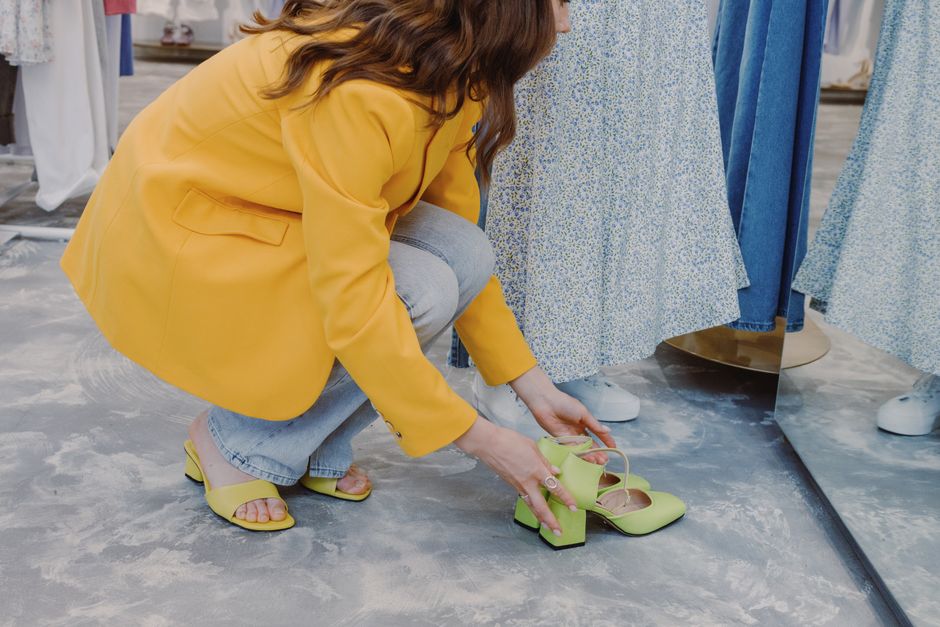
To choose comfortable footwear for daily walking in the summer, prioritize shoes with breathable materials like mesh, canvas, or perforated leather to ensure adequate airflow. Look for designs with good arch support, ample cushioning to absorb impact, and a secure fit that prevents slippage without pinching. A flexible sole is also key for natural foot movement, and consider styles with adjustable straps for a custom fit, especially in warmer climates like those found across Southern Europe or the American Southwest.
Picture this: it’s a beautiful summer afternoon, you’re enjoying a stroll through the historic streets of Krakow or perhaps navigating the bustling markets of Marseille. The sun is shining, the atmosphere is vibrant, but your feet? They’re aching, overheating, and frankly, ruining the experience. This scenario is far too common for many, whether they’re avid travelers, daily commuters, or simply enjoying a summer weekend with family. The culprit often isn’t the distance covered, but the shoes chosen.
It’s a simple truth: uncomfortable footwear can swiftly turn a pleasant summer day into a miserable slog. From blisters forming halfway through a sightseeing tour in Berlin to the persistent ache after a full day at the office in New York, the wrong shoes impact not just your feet, but your overall well-being and productivity. The key to avoiding this common pitfall lies in selecting comfortable footwear for summer that genuinely keeps feet cool and supported.
The Unsung Heroes of Summer Comfort: Why Breathability Matters
Many assume summer footwear means sacrificing support for coolness, or vice-versa. In practice, the best summer shoes blend both. The primary challenge in warm weather is managing heat and moisture. When feet get hot, they sweat more, leading to discomfort, odor, and an increased risk of fungal infections. This is where the material composition of your shoes becomes critical.
Breathable materials are the foundation of any good summer shoe. Think beyond just ‘lightweight’. We’re talking about fabrics that allow air to circulate freely, wicking away moisture and helping regulate foot temperature. Mesh is a common and effective choice, often seen in athletic shoes and modern walking sandals. Its open weave structure promotes excellent ventilation. Canvas, a sturdy cotton fabric, is another classic for summer, particularly in casual sneakers and espadrilles popular across Spain and Italy. Perforated leather or suede offers a more refined look while still providing airflow, a good option for office shoes or smarter casual wear.
Beyond the upper, the shoe’s lining and insole play a significant role. Materials like bamboo, cork, or even specialized moisture-wicking synthetic fabrics can enhance comfort. A common mistake is choosing shoes with synthetic linings that trap heat, negating the benefits of a breathable upper. Always check the full construction.
Image: A person trying on a pair of lightweight, mesh summer walking shoes in a brightly lit shoe store, focusing on the breathable fabric and cushioned sole.
Choosing Your Ideal Summer Companions: Tips for Cool, Supported Feet
Selecting the right pair of shoes isn’t just about aesthetics; it’s about functionality, fit, and long-term foot health. Here’s how to ensure your summer footwear keeps your feet cool and supported, no matter your daily demands.
1. Prioritize Breathable Materials
As discussed, this is paramount. Opt for uppers made from natural fibers like cotton canvas, linen, or high-tech mesh. For more formal needs, look for shoes with perforated leather or unlined designs. These materials facilitate air circulation, crucial for keeping your feet cool and preventing sweat build-up, whether you’re commuting on the Paris Metro or enjoying a weekend barbecue in Dallas.
2. Demand Excellent Arch Support
Even in lightweight summer styles, proper arch support is non-negotiable. It helps distribute pressure evenly across your foot, reduces strain on your arches, and promotes healthy alignment, preventing issues like plantar fasciitis. Many summer sandals now incorporate contoured footbeds, while athletic walking shoes often feature removable insoles, allowing you to insert custom orthotics if needed. This is particularly important for those spending long hours on their feet, such as retail workers in London or tour guides in Rome.
The Ultimate Guide to Choosing Comfortable and Stylish Women’s Shoes
3. Insist on a Secure, Comfortable Fit
A shoe that’s too loose can cause chafing and blisters, while one that’s too tight restricts circulation and can lead to pain. Look for adjustable features like straps (velcro or buckle) on sandals or laces on sneakers to customize the fit. Your toes should have enough room to wiggle, but your heel shouldn’t slip significantly when you walk. Try shoes on at the end of the day when your feet are slightly swollen to get the most accurate fit.
4. Look for Ample Cushioning
Even on short walks, proper cushioning absorbs impact, protecting your joints and muscles. For summer, look for lightweight cushioning materials that don’t add bulk or retain too much heat. EVA foam or proprietary cushioning technologies found in brands like Hoka or Brooks offer excellent shock absorption without making the shoe feel heavy or stifling. This is especially beneficial for urban explorers tackling cobbled streets in Edinburgh or Berlin.
5. Check the Sole for Grip and Flexibility
A good grip is essential for safety, especially if you encounter wet pavements or uneven terrain. Look for outsoles with textured patterns designed for traction. Flexibility is also important; the shoe should bend naturally with your foot, particularly at the ball of the foot. An overly rigid sole can lead to an unnatural gait and discomfort. This is relevant whether you’re navigating slippery boat docks in the Mediterranean or wet sidewalks after a summer shower in Manchester.
6. Consider Waterproofing (Strategic Use Only)
While full waterproofing can reduce breathability, some summer activities benefit from water-resistant or quick-drying materials. For instance, if you plan on beach walks, watersports, or know you’ll be caught in summer downpours common in places like Germany or Poland, open-toed sandals or water shoes made from quick-dry synthetics are ideal. For general daily wear, prioritize breathability over heavy-duty waterproofing.
7. Evaluate Overall Construction Quality
Cheaply made shoes often fall apart quickly and offer minimal support. Invest in quality footwear from reputable brands. Check for smooth seams, durable stitching, and well-attached soles. A well-constructed shoe will last longer and provide consistent comfort and support throughout the summer season.
Comparing Popular Summer Footwear Styles
Different activities demand different shoe types. Here’s a quick comparison of common summer footwear options, helping you identify the best fit for your needs.
| Footwear Type | Best For | Pros (Cool & Supported) | Cons |
|---|---|---|---|
| Athletic Walking Sandals | Light hiking, extended walking tours (e.g., city sightseeing in Rome, trail walking in the UK countryside) | Excellent breathability, good arch support, secure fit with multiple straps, often water-friendly. Examples: Keen, Teva. | Can look bulky, less suitable for formal settings. |
| Mesh Sneakers / Trainers | Daily walking, commuting (e.g., getting around Berlin, London, New York), light exercise | Superior breathability, excellent cushioning, strong arch support, versatile. Examples: Brooks, New Balance, Hoka. | Can get dirty easily, may lack waterproofing for heavy rain. |
| Espadrilles / Canvas Loafers | Casual outings, relaxed office environments, travel (e.g., strolling the French Riviera, casual meetups in Madrid) | Good breathability (canvas/linen), often lightweight, stylish. Examples: Soludos, Castañer. | Variable arch support (often minimal), less cushioning, can lack grip. |
| Perforated Leather Loafers / Mules | Business casual, smart travel, evening wear (e.g., office in Germany, dinner in Milan) | Breathable (perforated), often good arch support and cushioning, stylish, durable. Examples: Ecco, Geox. | Higher price point, can be less flexible than fabric options. |
| Water Shoes / Quick-Dry Sandals | Beach activities, watersports, light exploration near water (e.g., Croatian coast, lake holidays in Poland) | Excellent quick-drying properties, good grip on wet surfaces, protective. Examples: Merrell, Chaco. | Often minimal arch support, can look very casual. |
It’s worth noting that ‘boots’ for summer are generally reserved for specific purposes, like lightweight hiking boots for mountaineering in the Alps, where ankle support and rugged grip outweigh the need for extreme cooling. Even then, they feature specific summer-friendly designs like Gore-Tex Surround for 360-degree breathability. For typical summer activities, lighter options are usually preferred.
Image: A neatly organized collection of comfortable summer footwear options, including athletic sandals, mesh sneakers, and canvas espadrilles, arranged on a light wooden background.
Common Summer Footwear Mistakes to Avoid
Even with good intentions, it’s easy to fall into common traps when buying summer shoes. Avoiding these can save your feet a lot of grief.
Loafers, Trainers, or Boots: Choosing Comfortable Shoes for Smart Casual Style
A frequent error is prioritizing style over substance. Those flimsy, fashionable sandals might look great with a summer dress, but if they offer zero arch support or cushioning, they’re a recipe for pain after a few hours of walking. The cost of looking good shouldn’t be constant discomfort or, worse, developing foot problems that linger. This is particularly true for travelers who often underestimate the amount of walking involved in sightseeing.
Another pitfall is assuming that an open-toed shoe automatically means cool feet. While sandals offer more ventilation, if they have an unsupportive, flat sole, your feet will still tire quickly. Furthermore, some open-toed styles lack proper strapping, causing your feet to claw to keep them on, leading to fatigue and blisters.
Underestimating the impact of material quality is also a common mistake. Cheap synthetic leathers or plastics often don’t breathe at all, effectively creating a sauna for your feet, even in an open-toed design. Investing in higher-quality materials, even for casual shoes, pays dividends in comfort and longevity.
Finally, neglecting to break in new shoes, especially those with more substantial structures like some walking sandals or sneakers, can lead to immediate discomfort. Even comfortable footwear for summer needs a short grace period to conform to your feet before tackling a full day of activity.
FAQ: Your Questions on Summer Footwear Answered
How do I choose comfortable shoes for daily walking?
For comfortable daily walking shoes, prioritize excellent arch support, ample cushioning, and a flexible sole that allows natural foot movement. Breathable materials like mesh or canvas are essential to prevent overheating. Ensure a secure fit that doesn’t pinch or slip, and consider trying shoes on at the end of the day when your feet are slightly swollen.
Are sandals always the best choice for summer comfort?
Not necessarily. While many sandals offer good breathability, not all provide adequate arch support or cushioning for extended walking. High-quality athletic sandals or those with contoured footbeds are excellent, but flimsy fashion sandals often lack the structural support needed for true comfort and foot health over time.
What’s the difference between ‘cool’ and ‘supported’ footwear?
‘Cool’ footwear refers to shoes that promote airflow and wick away moisture, preventing overheating and sweat. ‘Supported’ footwear provides proper cushioning, arch support, and stability, reducing strain on your feet and joints. The best summer shoes combine both to offer comprehensive comfort and prevent common foot ailments.
Can I wear boots in the summer?
While most boots are too warm for summer, specialized lightweight hiking boots designed with breathable membranes (like Gore-Tex Surround) can be suitable for specific activities like mountain trekking where ankle support and rugged grip are paramount. For general urban or casual summer wear, however, they are usually overkill and too hot.
How often should I clean my summer shoes?
Regular cleaning is important, especially for summer shoes that may accumulate more sweat and dirt. Fabric shoes can often be spot-cleaned or gently hand-washed. Leather or synthetic options can be wiped down. This helps maintain hygiene, extend the life of your footwear, and keep them looking fresh throughout the season.
Finding the perfect comfortable footwear for summer that keeps feet cool and supported doesn’t have to be a daunting task. By focusing on breathable materials, solid arch support, and a secure fit, you can confidently navigate your summer adventures, commutes, and daily routines without foot pain. For more insights and detailed reviews on various shoe types, explore more footwear guides on GoTrendlin.