

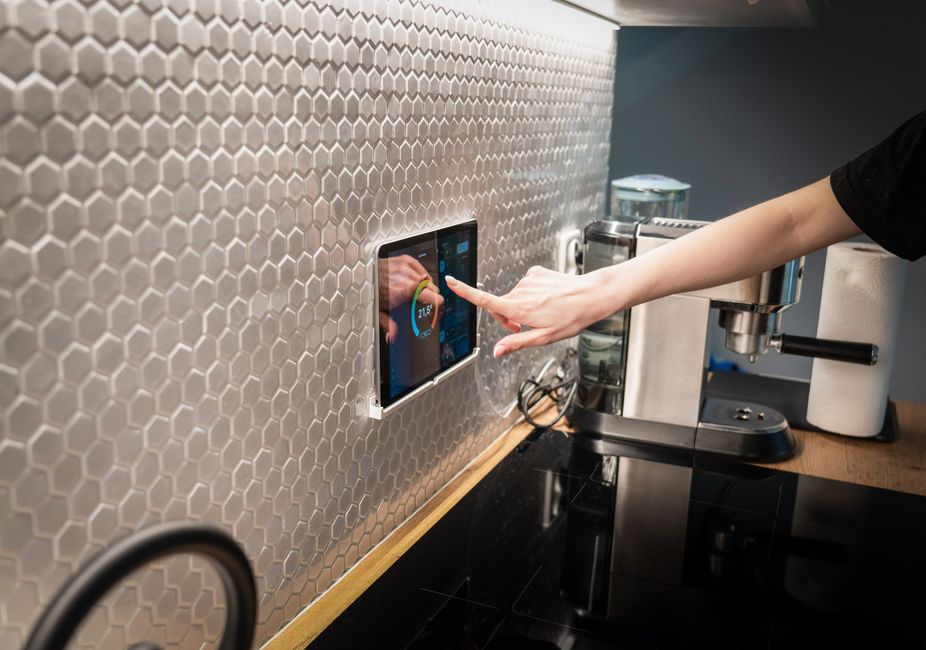
Technology and digital tools, particularly smart home devices, solve common everyday problems by automating tasks, enhancing security, improving energy efficiency, and streamlining communication. For instance, smart thermostats automatically adjust temperatures to save energy, smart locks provide remote access control, and intelligent lighting systems adapt to routines, offering convenience and peace of mind. These devices address issues like forgotten security, wasted energy, and the constant juggling of household chores, making daily life simpler and more secure for individuals and families across the US, UK, Germany, and beyond.
In a world that often feels increasingly complex, the promise of technology to simplify our lives holds significant appeal. Smart home devices, far from being mere novelties, have evolved into powerful technology and digital tools that genuinely address and solve real everyday problems. They offer tangible, practical solutions that can ease the burden of household management, enhance safety, and even contribute to a more sustainable lifestyle for professionals, families, and students alike.
Consider the daily juggle: remembering to lock the door, turning off lights in empty rooms, monitoring elderly relatives, or simply ensuring your home is comfortable when you arrive. These small, recurring worries can add up. Smart home technology provides a proactive answer, transforming mundane tasks into automated conveniences and offering a greater sense of control over our living spaces.

Many people still view smart home technology as a luxury, but the truth is, the most impactful devices are those that tackle universal pain points. We’re talking about practical applications that save time, money, and provide peace of mind.
Enhanced Security and Peace of Mind at Home
One of the most compelling applications of technology and digital tools in the smart home sphere is undoubtedly security. For families across the US, UK, and Europe, the ability to monitor and protect their property, whether they are at work, on holiday, or simply asleep, is invaluable. Smart security systems offer a level of control and awareness previously unattainable.
Smart Locks: Beyond the Key
Smart locks, such as those from August or Yale, are a prime example of this. They allow you to lock and use your doors remotely via a smartphone app. Imagine a scenario in Berlin where you’re at work and realize you forgot to lock the front door; a quick tap on your phone solves the problem. They also enable temporary access codes for trusted visitors, like a dog walker in London or a cleaner in Madrid, without needing to hand over physical keys. This is particularly useful for Airbnb hosts or those with frequent visitors, offering both convenience and heightened cybersecurity by eliminating lost or copied keys. The audit trail of who entered and when also provides an extra layer of security.
Video Doorbells and Surveillance Cameras: Eyes on Your Property
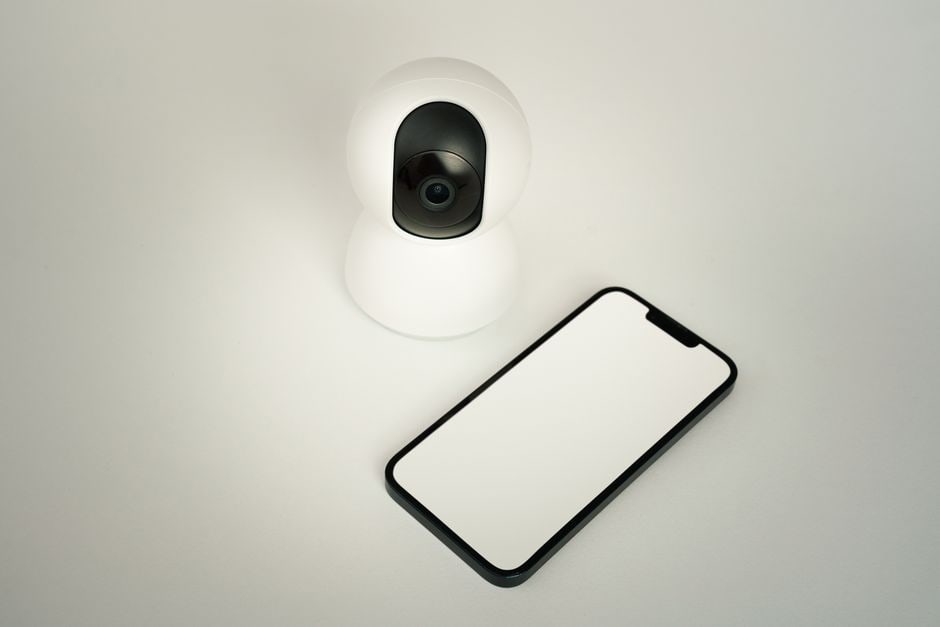
Devices like Ring or Arlo video doorbells and surveillance cameras provide live video feeds and motion-activated alerts directly to your phone. If a package is delivered to your home in Paris while you’re out, you can see it happen and even speak to the delivery person. In areas prone to opportunistic crime, like certain neighborhoods in Rome or Barcelona, these devices act as a significant deterrent. They offer continuous monitoring and recorded footage, which can be crucial evidence in unfortunate incidents, bolstering overall home privacy and security.
Optimizing Energy Efficiency and Cost Savings
Beyond security, smart home devices are excellent tools for managing and reducing household energy consumption. This not only benefits the environment but also leads to tangible cost savings, a significant concern for households in any country, from Poland to France.
Way Smart Mobility Guide: Parking, EV Charging, and the Future of Car Services
Smart Thermostats: Intelligent Climate Control
Smart thermostats, such as Google Nest or Ecobee, learn your preferences and adjust heating and cooling automatically based on occupancy, weather forecasts, and your schedule. Instead of heating an empty house in New York City or cooling an unoccupied apartment in Milan, these devices ensure energy is only used when and where it’s needed. Many also integrate with local energy providers, like E.ON in Germany or British Gas in the UK, to optimize usage during off-peak hours, further reducing bills. This intelligent approach to climate control is a clear example of technology and digital tools solving the everyday problem of energy waste.
Smart Lighting: Controlled Illumination
Smart lighting systems like Philips Hue allow you to control lights remotely, set schedules, and even integrate with motion sensors. Forget to turn off the kitchen light before leaving for work in Manchester? No problem. Want to create the impression someone is home while you’re on vacation in Florida? Smart lighting can simulate occupancy. The ability to dim lights or choose specific color temperatures can also contribute to a more comfortable living environment, adjusting to natural light cycles and personal preferences.
Streamlining Daily Routines and Convenience
The everyday grind often involves a series of small, repetitive tasks. Smart home devices excel at automating these, freeing up time and mental energy for more important activities.
Voice Assistants: Your Personal Command Center
Voice assistants like Amazon Alexa or Google Assistant are the central hubs for many smart homes. They can answer questions, play music, set timers, and, critically, control other smart devices with simple voice commands. Asking Alexa to ‘turn off all the lights’ when you’re already in bed in California, or ‘start the coffee machine’ from your couch in Lyon, makes a noticeable difference to daily convenience. They integrate with countless third-party devices, becoming indispensable AI tools for productivity and task management within the home environment.
Smart Appliances: The Future of Household Chores
From robot vacuum cleaners (like those from Roomba or Roborock) that keep your floors clean on a schedule, to smart washing machines that optimize cycles and send notifications when done, smart appliances are taking the load off. Imagine a smart refrigerator in Barcelona that alerts you when you’re running low on milk, or a smart oven in Seattle that can be preheated on your way home from work. These devices tackle the common problem of household chores by making them less burdensome and more efficient, allowing more time for remote work or family activities.
Addressing Specific Needs: Accessibility and Remote Management
Smart home technology also provides crucial support for specific challenges, particularly concerning accessibility and the management of homes remotely, which is increasingly relevant for an aging population and those with diverse needs.
Supporting Independent Living
For elderly relatives or individuals with mobility issues, smart home devices can significantly enhance independence and safety. Smart fall detection sensors, automated lighting that responds to movement, and voice-controlled systems can make homes safer and easier to navigate. Family members can also discreetly monitor activity and well-being from a distance, offering peace of mind without intruding on privacy. This is particularly valuable in countries with aging populations like Germany and Italy.
Remote Work and Home Office Optimization
With the rise of remote work, optimizing the home office environment has become critical. Smart lighting can adjust to reduce eye strain throughout the day, smart plugs can manage power to various devices, and voice assistants can help manage calendars and tasks, acting as personal AI productivity tools. Ensuring a comfortable and efficient workspace contributes directly to professional effectiveness, whether you’re working from a flat in London or a house in Texas.
Tonies: The Ultimate Guide to Screen-Free Audio Entertainment for Kids
Privacy and Cybersecurity Considerations with Smart Home Devices
While the benefits of technology and digital tools in smart homes are clear, it’s essential to address concerns around privacy and cybersecurity. For most readers, understanding these aspects is key to adopting smart technology responsibly.
Companies like Google, Amazon, and Apple invest heavily in securing their smart home ecosystems. However, users also have a role to play. Regularly updating device firmware, using strong, unique passwords, and understanding the data policies of your chosen devices are crucial steps. Always consider where your data is stored and how it’s used, especially with devices involving cameras or microphones. Opt for reputable brands and be mindful of the permissions you grant. European regulations like GDPR set high standards for data privacy, which benefits consumers across the continent and beyond.
Frequently Asked Questions About Smart Home Devices
What are the most common everyday problems smart home devices solve?
Smart home devices primarily solve problems related to security (e.g., forgotten locks, package theft), energy waste (e.g., leaving lights on, inefficient heating), time management (e.g., repetitive chores), and convenience (e.g., remote control of appliances, instant information access). They automate tasks and provide remote monitoring, offering peace of mind and efficiency.
Are smart home devices expensive to install and maintain?
Initial costs for smart home devices vary significantly, from affordable smart plugs to more expensive full-home security systems. Many devices are DIY-friendly, reducing installation costs. Maintenance typically involves occasional software updates and battery replacements. The energy savings and convenience often justify the investment over time for many users.
Do smart home devices really save energy and money?
Yes, many smart home devices, particularly smart thermostats and lighting systems, are designed to save energy. By optimizing heating/cooling based on occupancy and schedules, or by automatically turning off unused lights, they can significantly reduce utility bills. The actual savings depend on usage patterns and the specific devices installed.
How do smart home devices integrate with existing home systems?
Most modern smart home devices integrate via Wi-Fi, Bluetooth, or dedicated smart home protocols like Zigbee or Z-Wave. They often connect through a central hub (like a voice assistant or a dedicated smart home controller) or directly to your home network, allowing them to communicate and be controlled from a single app or voice command.
What are the main privacy concerns with smart home technology?
The primary privacy concerns involve data collection by manufacturers (e.g., usage patterns, personal preferences), potential eavesdropping through microphones, and the risk of hacking. Users can mitigate these risks by choosing reputable brands, securing their Wi-Fi network, using strong passwords, and understanding device privacy settings and policies.
Can smart home devices help with remote work productivity?
Absolutely. Smart home devices can create a more conducive remote work environment. Smart lighting can adjust for optimal visibility, smart thermostats maintain comfortable temperatures, and voice assistants can help manage schedules, set reminders, and facilitate quick information retrieval, acting as AI productivity aids in your home office.
Conclusion: Smart Solutions for Modern Living
The evolution of smart home technology and digital tools represents a genuine step forward in how we manage our lives. These devices are not just about futuristic gadgets; they are about pragmatic solutions to the real everyday problems that professionals, families, and students face. From enhancing home security and reducing energy bills to streamlining daily chores and supporting independent living, smart home devices offer tangible benefits that contribute to a more efficient, secure, and comfortable lifestyle. By thoughtfully integrating these AI tools into our homes, we can reclaim time, save resources, and enjoy a greater sense of control over our personal environments. To dive deeper into how technology can simplify your life, explore more technology guides on GoTrendlin.