

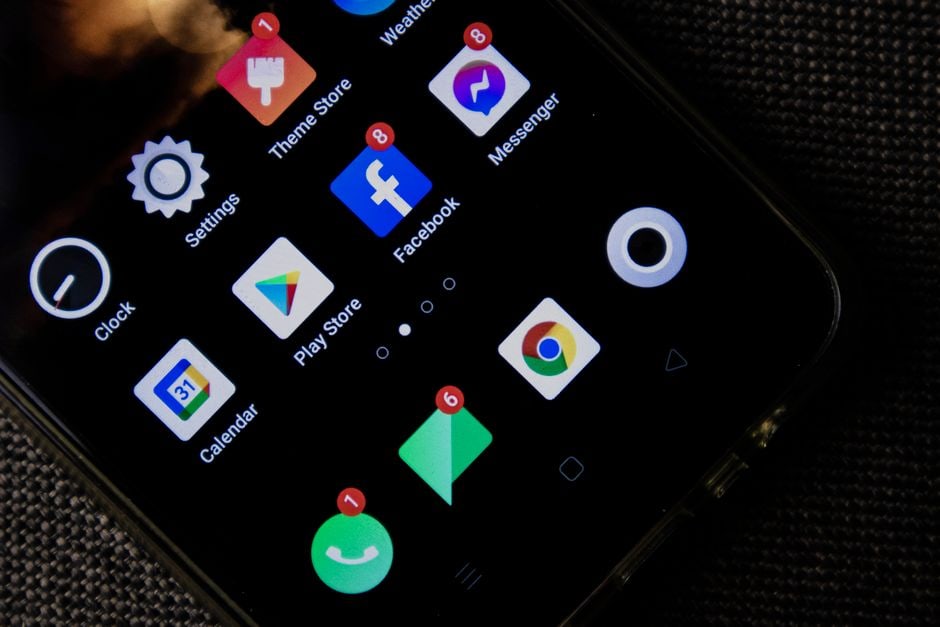
The tech upgrade that will make the biggest everyday difference for someone experiencing full smartphone storage is a combination of effective cloud storage integration and potentially investing in a device with more base storage or expandable options. While freeing up existing space is crucial, proactively managing where new data goes – leveraging services like Google Photos, iCloud, or Dropbox – prevents future bottlenecks. For those frequently hitting limits, upgrading to a phone with 256GB or 512GB from a 64GB model can drastically improve daily usage, especially for creators or families. Expandable storage via microSD is an even more cost-effective upgrade for many Android users.
That dreaded ‘storage full’ notification popping up on your smartphone is more than just an annoyance; it’s a productivity killer. For students needing to download lecture materials, remote workers collaborating on large documents, or parents trying to capture every moment, running out of space can halt your day. It impacts everything from downloading essential apps to taking photos and videos, and even slows down your device’s overall performance. Getting ahead of this problem with smart tech buying and setup advice is crucial.
You might be wondering, which tech upgrade will make the biggest everyday difference? For most users constantly battling full storage, the answer lies in a two-pronged approach: mastering cloud storage and, if necessary, choosing a device with more built-in or expandable storage. This article dives into practical ways to free up space now and helps you plan for a future where your phone isn’t constantly gasping for breath.
We’ll cover everything from simple app management to leveraging the power of external drives and cloud services, ensuring your smartphone remains a reliable tool, not a constant source of frustration. Whether you’re in the US, UK, Germany, France, Italy, Spain, or Poland, these tips are universally applicable to keep your digital life flowing.
Image 2 Caption: A smartphone screen displaying a ‘Storage Full’ notification, highlighting the common issue users face.
Understanding Why Your Smartphone Storage Fills Up So Quickly
It’s easy to blame your phone, but the reality is our digital lives are expanding rapidly. High-resolution photos and 4K videos are the biggest culprits, especially with newer smartphones like the iPhone 15 Pro or Samsung Galaxy S24 Ultra capturing stunning detail. Apps themselves are also growing in size, not just the initial download but also with accumulated data, caches, and updates. Messaging apps, for instance, often store years of photos and videos you’ve shared.
Even if you’re not a professional creator, accumulating data is inevitable. Consider the average family capturing holidays, school plays, or simply everyday moments – those GBs add up fast. For remote workers, downloaded documents, meeting recordings, and work-related media can quickly consume valuable space, especially if they’re not regularly offloaded to a dedicated home office setup.
The Hidden Space Eaters: Caches and Offline Content
Beyond your obvious files, many apps cache data to improve performance or store content for offline access. Streaming services like Netflix or Spotify might download entire seasons or playlists without you realizing how much space they consume. Social media apps often cache images and videos for faster loading. This hidden data can be a significant chunk of your storage.
Immediate Solutions: Practical Ways to Free Up Space Now
Let’s start with the quickest wins to get some breathing room on your device. These methods require minimal setup and can provide immediate relief.
1. Delete Unused Apps and Their Data
Go through your app drawer and be ruthless. Many of us have apps downloaded for a single purpose and then forgotten. Think about those holiday planning apps, one-off games, or tools you rarely use. On iOS, navigate to Settings > General > iPhone Storage to see a list of apps by size and when you last used them. You can ‘Offload’ apps to free up space while keeping their documents and data, or ‘Delete App’ entirely. For Android, it’s typically Settings > Apps > See all apps, then tap an app to ‘Uninstall’ or ‘Clear Cache’ and ‘Clear Storage’.
Your Ultimate Guide to Finding Unbeatable Discounts on Electronic Products via Official Newegg
2. Clear App Caches
As mentioned, app caches can be significant. While clearing them can sometimes make an app load slightly slower initially, it’s often a worthwhile trade-off for the reclaimed space. For Android users, you can often clear cache for individual apps (Settings > Apps > [App Name] > Storage & cache > Clear cache). On iOS, clearing app caches usually requires deleting and reinstalling the app, or relying on the app’s internal settings if it offers a clear cache option.
3. Manage Photos and Videos
This is often where the biggest gains are made. High-resolution photos and 4K videos are storage hogs. Regularly review your gallery. Delete duplicates, blurry shots, and videos that didn’t quite turn out. Many phones now offer AI-powered suggestions for similar photos or large videos to delete.
- Cloud Backup: Services like Google Photos (available in all our GEO target regions), Apple Photos, or Amazon Photos offer automatic backup. Once safely uploaded, you can delete the local copies from your phone, freeing up significant space. For example, Google Photos’ ‘Free up space’ feature can automatically remove local copies of backed-up photos.
- Optimise Storage: iOS has an ‘Optimize iPhone Storage’ setting (Settings > Photos) which replaces full-resolution photos and videos with smaller, device-sized versions, keeping the originals in iCloud.
Strategic Long-Term Storage Management
Once you’ve cleared some immediate space, it’s time to implement strategies that prevent your storage from filling up again. This involves smart tech buying and setup advice.
4. Embrace Cloud Storage Services
Cloud storage is your best friend for long-term data management. Services like Google Drive, Dropbox, iCloud Drive, and OneDrive offer varying tiers of free and paid storage. For remote workers, these are indispensable for syncing documents across your smartphone, laptop, and home office desktop. Families can use shared cloud albums for photos and videos.
For example, if you’re a student in Berlin or a remote worker in Manchester, having your lecture notes or project files on Google Drive means you can access them from any device without filling up your phone. Consider the value of a paid subscription for more space – often just a few Euros or Pounds a month for 100GB or 200GB can alleviate significant stress.
5. Leverage External Storage and Your Home Network
While not directly on your phone, external storage is a powerful way to offload data. For Android users, many phones still support microSD cards, which are an incredibly cost-effective way to expand storage. For iPhones or Android phones without microSD slots, portable SSDs (Solid State Drives) that connect via USB-C are an excellent option. Products like the Samsung T7 or SanDisk Extreme Portable SSD are compact and fast, perfect for backing up large video files or photo libraries from your phone.
Furthermore, consider your home networking setup. If you have a NAS (Network Attached Storage) drive in your home office, you can set up apps on your phone to automatically back up photos and videos to your personal cloud, giving you ultimate control and privacy. This is a common and practical solution for tech-savvy families and creators across Europe and North America.

Image 3 Caption: A person connecting a portable USB-C SSD to their smartphone, demonstrating an effective external storage solution.
Advanced Tips for Specific User Groups
Different users face different challenges. Here’s tailored advice.
For Creators and Media Enthusiasts
If you’re constantly shooting photos and videos, especially for social media or personal projects, you’ll need a solid strategy. Consider shooting in HEIC/HEVC formats (if your phone supports them) which offer smaller file sizes without significant quality loss. Invest in a phone with ample base storage (256GB or 512GB) and a fast USB-C port for quick offloading to a laptop or external drive. Regularly transfer completed projects to an external hard drive or a dedicated media server.
Best Budget Tech Upgrades for a Faster Home Office
For Students and Remote Workers
Your primary concern is often document management and app data. Ensure your key productivity apps (e.g., Microsoft 365, Google Workspace) are set to store files in the cloud by default. For large files that need to be local, remember to delete them after use. For heavy collaboration, look for phones with good connectivity and battery life to ensure seamless transfers and uploads. Also, keep an eye on offline content from learning platforms or communication apps – download what you need, delete what you don’t.
For Families
Managing multiple devices and shared content can be complex. Set up a family cloud account for photos and videos to centralize memories. Teach children about managing app data, especially for games that can accumulate huge amounts of data. Consider a family NAS device for a central, private backup solution that everyone can access.
The Role of Tech Buying and Setup Advice in Preventing Future Issues
When it comes to tech buying and setup advice, the most impactful decision for storage is often made at the point of purchase. If you’re consistently running out of space on a 64GB phone, no amount of cleanup will truly solve the problem long-term. Consider these points for your next upgrade:
- Storage Capacity: Always opt for more storage than you think you need. The jump from 128GB to 256GB is often a sweet spot for price-to-performance. For creators, 512GB or even 1TB might be necessary.
- Expandable Storage: If you’re an Android user, prioritize models with a microSD card slot. Brands like Samsung often offer this, providing a flexible and affordable way to expand.
- USB-C Connectivity: Modern phones with USB-C (like many Android devices and newer iPhones) offer much faster data transfer speeds to laptops and external drives compared to older USB 2.0 or proprietary connectors. This speeds up offloading large files significantly.
Proper device setup from day one can also make a difference. Configure your camera app to save photos directly to an SD card if available, or automatically upload to a cloud service. Regularly review your app permissions and data usage to identify potential storage hogs before they become a problem.
FAQ: Common Smartphone Storage Questions
How often should I clear my phone’s cache?
It’s a good practice to clear app caches periodically, perhaps once a month or whenever you notice your phone becoming sluggish or running low on space. Some apps, especially social media or streaming apps, accumulate cache data much faster than others.
Will clearing my cache delete important data?
No, clearing an app’s cache only removes temporary files that the app uses for faster loading. It will not delete your personal data, login information, or saved game progress. If you ‘Clear Data’ or ‘Clear Storage’ (on Android), that’s different and will reset the app to its factory state, deleting associated user data.
Is it better to use cloud storage or an SD card?
Both have advantages. Cloud storage offers accessibility from anywhere and automatic backups, but requires internet and often a subscription for significant space. An SD card (for compatible Android phones) provides offline access and is a one-time purchase for local storage, but it can be lost or damaged and isn’t accessible remotely. Many users benefit from using both.
Can I store apps on an SD card?
On some Android phones, you can move certain apps to an SD card. However, this is becoming less common and often only moves a portion of the app, and performance can be slower than running apps from internal storage. It’s generally better to store media files (photos, videos) on an SD card rather than apps.
Does having full storage affect my phone’s performance?
Absolutely. When your phone’s storage is nearly full, the operating system has less space to create temporary files or allocate for efficient operation. This can lead to slower app loading, delayed multitasking, general system lag, and even app crashes. Aim to keep at least 10-15% of your total storage free for optimal performance.
What’s the difference between internal storage and RAM?
Internal storage is where your files, apps, and operating system are permanently stored, even when the phone is off (like a hard drive on a computer). RAM (Random Access Memory) is temporary, volatile memory used by your phone’s processor to run apps and perform tasks in real-time. More RAM allows for smoother multitasking, while more internal storage allows you to save more files.
Conclusion
Dealing with a ‘smartphone storage full’ notification doesn’t have to be a recurring nightmare. By adopting a proactive approach that combines regular cleanup with smart tech buying and setup advice, you can ensure your device remains a powerful tool, not a bottleneck. Whether it’s embracing cloud services, strategically managing your photo library, or simply making a more informed choice on your next phone’s storage capacity, these practical steps will help you stay ahead of the curve. Keep your smartphone running smoothly across your home office, commutes, and family adventures.
Explore more tech guides on GoTrendlin for further insights into optimizing your digital life.