

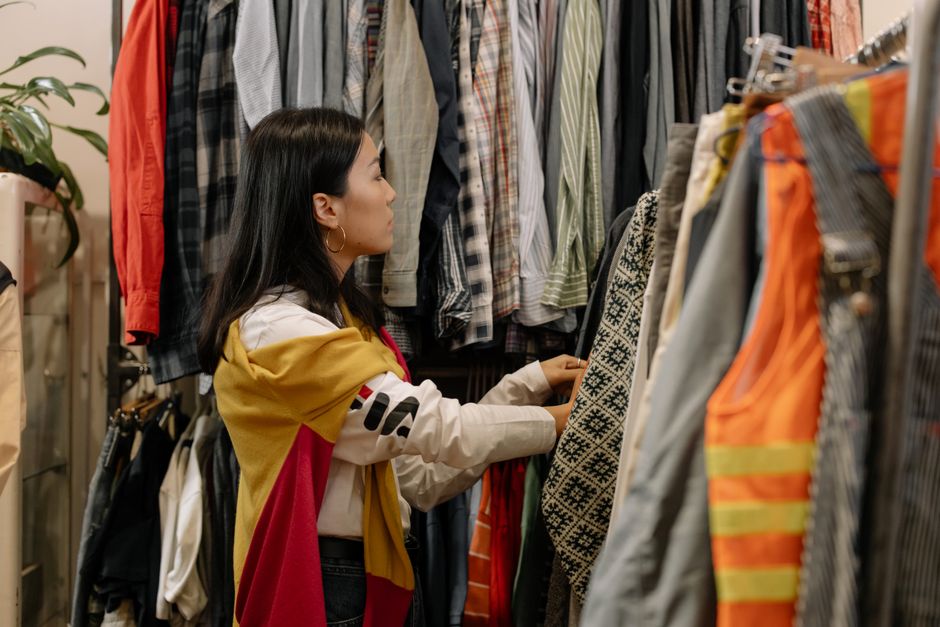
To build a useful and sustainable women’s fashion wardrobe on a budget, focus on versatility, durability, and ethical sourcing. Prioritize timeless staples that can be mixed and matched into a capsule wardrobe, reducing the need for frequent new purchases. Invest in high-quality, natural materials that last longer, and seek out brands committed to fair labor and environmental practices. Repair rather than replace, and explore second-hand options. This approach minimizes cost per wear and environmental impact, making sustainable women’s fashion accessible and practical.
In an age where fast fashion cycles churn out trends almost weekly, many women find themselves caught in a dilemma: wanting to look polished and professional for work or comfortable and chic for travel, but also deeply concerned about the environmental and social impact of their clothing choices. It’s a common struggle to reconcile a desire for stylish women’s fashion with a commitment to sustainability, especially when budget constraints are a real factor. The sheer volume of information, and misinformation, can make it hard to know where to start, leading to decision fatigue and sometimes, just giving up.
Building a truly useful and lasting wardrobe doesn’t have to mean sacrificing your values or emptying your wallet. The key lies in strategic planning and making conscious choices that serve both your personal style and the planet. This isn’t about perfectly adhering to every sustainable principle from day one, but rather about taking practical, actionable steps that accumulate into significant positive change. It’s about transforming your approach to sustainable women’s fashion from an aspirational ideal into a tangible reality.
Embracing Sustainable Women’s Fashion: A Snapshot
Before diving into the nitty-gritty, let’s establish some foundational principles for navigating sustainable women’s fashion. Think of these as your compass points for smarter shopping:
- Quality Over Quantity: Invest in fewer, better-made items that last.
- Versatility is Key: Choose pieces that can be dressed up or down, suitable for various occasions, from a business meeting in Berlin to a weekend getaway in Provence.
- Ethical Sourcing: Look for transparency regarding labor practices and material origins.
- Durability Matters: Opt for natural fibers and well-constructed garments that withstand wear and washing.
- Circular Mindset: Consider a garment’s entire lifecycle—from production to end-of-life—and aim for repair, resale, or recycling.
- Personal Style Focus: Build a wardrobe that genuinely reflects you, not just fleeting trends, ensuring you’ll love and wear pieces for years.
The Foundation: Your Sustainable Capsule Wardrobe for Work & Travel
The concept of a capsule wardrobe is often touted, and for good reason—it’s a powerful tool for achieving sustainable women’s fashion goals. It streamlines your choices, reduces impulse buys, and ensures every item earns its place. For professionals and travelers, this approach is invaluable.
Defining Your Core Needs
Start by assessing your lifestyle. Are you a corporate professional requiring polished workwear daily? Or does your job offer more flexibility, leaning towards smart casual? How often do you travel, and what climates do you typically visit? For instance, someone living in London will have different needs than someone in Rome, impacting choices like outerwear and layering pieces.
Key Capsule Components:
- Essential Tops: Think classic blouses, versatile knitwear (e.g., merino wool for temperature regulation, ideal for both US and European travel), and high-quality t-shirts in neutral colors.
- Bottoms that Work Hard: Tailored trousers that can transition from office to evening, a classic skirt, and well-fitting jeans (responsibly made, of course).
- Layering Pieces: A blazer or cardigan that complements multiple outfits.
- Outerwear: A trench coat or a quality wool coat, depending on your climate, like those seen on the streets of Paris or New York.
- Dresses/Jumpsuits: A versatile dress that can be styled for various occasions.
Choosing Materials Wisely
The fabric of your garment profoundly impacts its sustainability and longevity. When curating sustainable women’s fashion, prioritize natural, durable fibers.
Women’s Capsule Wardrobe for 2026: Pieces That Mix Easily
- Organic Cotton: Grown without harmful pesticides, better for soil and farmers.
- Linen: Durable, breathable, and requires less water than cotton. Excellent for warmer climates like Southern Spain or Italy.
- Tencel/Lyocell: A regenerated cellulosic fiber made from wood pulp using a closed-loop process that recycles water and solvents. Soft and drapes beautifully.
- Recycled Materials: Look for recycled cotton, wool, or polyester (RPET), which divert waste from landfills.
- Wool (Ethical Sourcing): Naturally thermoregulating and durable. Seek out certified mulesing-free merino wool, a staple for many German and Polish brands known for quality.
Avoid highly synthetic materials (unless recycled) that shed microplastics during washing, and steer clear of fabrics requiring extensive dry cleaning, which often uses harsh chemicals.
Your Sustainable Shopping Checklist: Beyond the Hype
This checklist provides concrete steps to evaluate potential purchases for your sustainable women’s fashion wardrobe. It moves beyond vague intentions to practical considerations.
1. Brand Transparency & Ethics
Before you even look at the garment itself, look at the brand. Is their supply chain visible? Do they openly share information about their factories, labor conditions, and environmental impact? Many brands now provide detailed ‘sustainability reports’ or dedicated sections on their websites. For instance, brands based in the EU often adhere to stricter environmental regulations, and some German brands are pioneers in this area.
- Certifications: Look for GOTS (Global Organic Textile Standard) for organic fibers, Fair Trade Certified for ethical labor, Oeko-Tex Standard 100 for harmful substance testing, or B Corp certification for overall social and environmental performance.
- Living Wages: Do they ensure fair wages for garment workers?
- Environmental Initiatives: Are they working to reduce water, energy, and chemical usage?
- Made in Europe/North America: While not a guarantee, manufacturing closer to home (e.g., within the EU or US) can sometimes offer better oversight and reduced transport emissions, though it often comes with a higher price point.
2. Durability & Construction
A garment isn’t sustainable if it falls apart after a few wears. Examine the physical item closely, just as you would when buying a piece of furniture for your home.
- Fabric Feel: Does it feel substantial? Thin, flimsy fabric often indicates a short lifespan.
- Stitching: Look for even, tight stitches. Loose threads or inconsistent stitching are red flags. Reinforced seams (e.g., French seams) add durability.
- Hardware: Are zippers sturdy (YKK is a good sign)? Are buttons securely attached?
- Construction Details: Check hems for generous allowances. A well-constructed garment will have neat finishing.
- Easy Care: Can it be washed at home, or does it require special care? Simpler care often means less energy consumption over time.
3. Versatility & Timelessness
This is where the capsule wardrobe mindset really shines for sustainable women’s fashion. Every new item should enhance what you already own.
- Mix-and-Match Potential: Can you wear it with at least three other items already in your closet?
- Color Palette: Does it fit your established color scheme? Neutrals (black, white, navy, grey, beige) are foundational, but well-chosen accent colors can be integrated.
- Seasonless Appeal: Can it be worn across multiple seasons, perhaps with clever layering? A quality blazer works year-round.
- Beyond Trends: Is it a classic style that won’t look dated next year? Think classic trench coats, straight-leg trousers, or simple A-line skirts.
4. Lifecycle & End-of-Life Planning
Consider what happens to the garment after you’re done with it. This is a crucial, often overlooked aspect of sustainable women’s fashion.
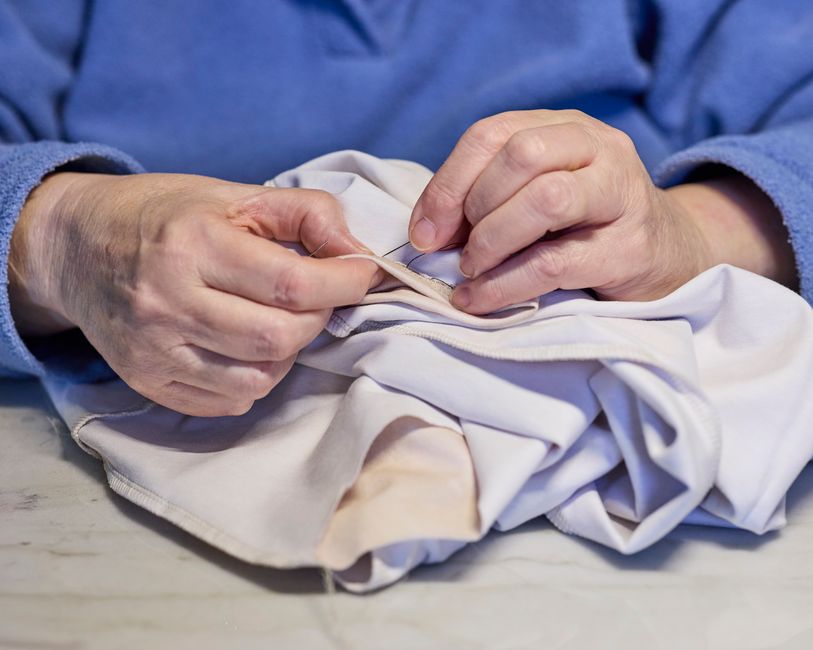
- Repairability: Can it be easily mended? Are spare buttons provided?
- Resale Value: Is it a piece that someone else might want? High-quality items from respected brands often retain value for resale on platforms popular across Europe and the US.
- Recyclability: Is it made of a single fiber or easily separated materials? Blended fabrics are harder to recycle. Some brands offer take-back programs.
- Local Resources: In many cities, from London to Milan, you’ll find alteration shops, dry cleaners offering eco-friendly options, and textile recycling points. Utilize these services.
How to Build a Sustainable Workwear Collection on a Budget
Building a professional wardrobe with sustainable women’s fashion principles doesn’t require an unlimited budget. It requires smart choices and patience. A common mistake is trying to overhaul everything at once.
Secure Your Online Presence and Improve Social Security with Official-SocialCatfish
Strategy for Budget-Conscious Sustainable Workwear:
- Identify Gaps: What do you truly need? Not what do you want based on a new trend. Maybe it’s a versatile blazer for client meetings or comfortable, smart trousers for long commutes in Paris.
- Prioritize Staples: Invest more in foundational pieces that see heavy rotation—a classic dress, a durable pair of shoes, a versatile coat. These are your workhorses.
- Second-Hand Savvy: Explore reputable consignment shops, vintage stores, and online marketplaces (like Vinted or Depop, popular in the UK and Germany). You can find high-quality, pre-loved designer workwear for a fraction of the cost.
- Sales & Discounts: When brands you trust have sales, consider investing in a well-researched item.
- Rentals: For special occasions or specific professional events, consider clothing rental services. This allows access to high-end sustainable women’s fashion without the commitment.
FAQ: Answering Your Sustainable Fashion Questions
What is a capsule wardrobe and why is it sustainable?
A capsule wardrobe is a curated collection of versatile clothing items that can be mixed and matched to create numerous outfits. It’s sustainable because it emphasizes quality over quantity, reduces textile waste by limiting purchases, encourages thoughtful buying decisions, and minimizes the environmental impact associated with fast fashion production and disposal.
How can I find truly ethical brands for women’s fashion?
To find truly ethical brands, look for transparency regarding their supply chain, labor practices, and environmental impact. Seek out brands with certifications like Fair Trade, GOTS (Global Organic Textile Standard), or B Corp. Websites like Good On You also provide ethical ratings for various fashion brands, helping you make informed choices.
Are natural fibers always more sustainable than synthetics?
Not always, but often. Natural fibers like organic cotton, linen, and hemp are biodegradable and don’t shed microplastics. However, their production can still be water or land-intensive. Recycled synthetics (like recycled polyester) can be a sustainable choice by diverting waste, but they still have microplastic concerns. The most sustainable option depends on the entire lifecycle.
How do I care for my sustainable clothing to make it last longer?
Proper care is crucial for longevity. Follow garment care labels, wash clothes less frequently, use cold water and gentle detergents, and air dry when possible. Repair small damages promptly, such as loose buttons or minor tears, to extend the life of your garments and maintain their appearance.
Can I really build a stylish and sustainable wardrobe on a limited budget?
Absolutely. Building a stylish and sustainable wardrobe on a budget is achievable by prioritizing versatile, high-quality pieces, utilizing second-hand options, and shopping mindfully during sales. Focus on a core capsule wardrobe, embrace mending and alterations, and think about cost-per-wear rather than just initial price.
Key Takeaways for Your Sustainable Fashion Journey
Embarking on a journey into sustainable women’s fashion isn’t about perfection; it’s about progress and intentionality. The principles outlined here—prioritizing quality, understanding material impacts, and embracing versatility—will empower you to make smarter choices that benefit both your personal style and the planet. Whether you’re refreshing your professional attire for a busy week in New York or packing for a well-deserved holiday in Italy, these guidelines provide a clear path.
Remember, building a truly useful and ethical wardrobe takes time. It’s a thoughtful process of discovery, where each considered purchase becomes an investment in durable pieces that reflect your values. By integrating these practices into your shopping habits, you’ll not only cultivate a more functional and elegant wardrobe but also contribute positively to the broader movement towards a more sustainable fashion industry.
Explore more women’s guides on GoTrendlin for further insights and inspiration.