

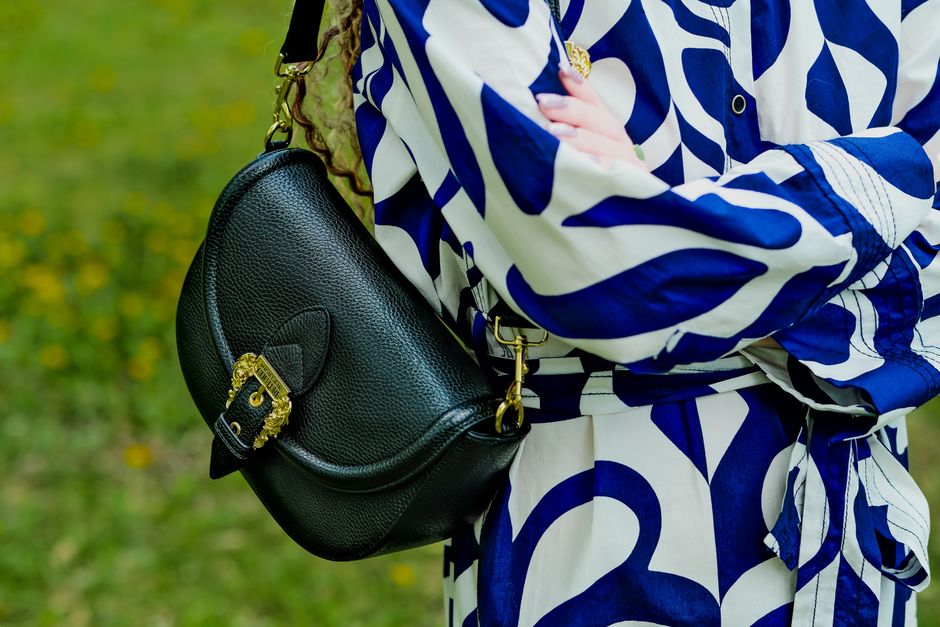
When choosing an everyday bag, look for durable materials like full-grain leather or high-denier nylon, quality hardware (YKK zippers, sturdy clasps), comfortable and adjustable straps, and thoughtful internal organization. For travelers and commuters, features like dedicated laptop protection, anti-theft design elements (lockable zippers, RFID blocking), and water-resistant finishes are paramount. Prioritizing these aspects ensures the bag can withstand daily wear and tear while keeping your belongings secure and organized, ultimately meaning you invest in the best bags for travel and work that will last longer.
A reliable bag isn’t just an accessory; it’s a daily companion, a silent workhorse that carries our essentials, protects our tech, and often, defines a part of our personal style. Whether it’s a rugged carry-on that’s seen countless airport lounges or a sleek laptop bag that’s a fixture in your office commute, these items endure significant wear and tear. The good news is that with a little proactive care, your favourite leather and fabric bags can maintain their integrity and appearance for years, making them truly the best bags for travel and work that last longer.
Think about the typical day: your bag might be crammed under an aeroplane seat, jostled on a crowded Tube, or simply resting on various surfaces throughout your workday. Each interaction, from a splash of coffee to exposure to varying temperatures, impacts its material. Understanding how to properly clean, protect, and store these items isn’t just about aesthetics; it’s about preserving functionality and extending the return on your investment.
This guide will walk you through the practical steps to keep your leather and fabric bags in prime condition, drawing on common scenarios faced by professionals, students, and frequent flyers across the US, UK, Germany, and beyond.
Understanding Your Bag’s Materials: Leather vs. Fabric
The first step in effective bag care is knowing what you’re working with. Leather and fabric, while both durable, have distinct properties and require different approaches to maintenance.
The Nuances of Leather Bag Care
Leather, a natural material, is prized for its durability, character, and ability to age gracefully, developing a unique patina over time. However, it’s susceptible to drying out, staining, and cracking if not properly maintained. Different types of leather—full-grain, top-grain, corrected-grain, and suede—each have specific care needs.
- Cleaning: For general dirt and dust, a soft, damp cloth (not wet!) is often sufficient. For deeper cleaning, use a dedicated leather cleaner, applying it sparingly to a small, inconspicuous area first. Never use harsh chemicals or abrasive materials.
- Conditioning: Leather needs moisture to remain supple and prevent cracking. A good quality leather conditioner should be applied every 3-6 months, depending on usage and climate. This is especially important for bags frequently exposed to dry conditions, like those used for extensive travel.
- Protection: A waterproof spray designed for leather can offer an extra layer of defence against rain and spills. Be sure it’s breathable to prevent moisture build-up within the leather.
- Stain Removal: Address spills immediately. For oil-based stains, a bit of cornstarch can absorb the oil before cleaning. For ink, a specialised leather ink remover might be necessary, but always test first.
Maintaining Fabric Bags: From Canvas to Nylon
Fabric bags, encompassing materials like canvas, nylon, polyester, and blends, are often chosen for their lightweight nature, versatility, and ease of cleaning. They are frequently found in practical designs such as carry-on bags, student backpacks, and crossbody bags.
- Cleaning: Most fabric bags can be spot-cleaned with a mild detergent and a soft brush or cloth. For a more thorough clean, check the care label; some bags can be hand-washed or even machine-washed on a gentle cycle in cold water (always inside a laundry bag to protect hardware). Air dry thoroughly away from direct sunlight to prevent fading and mildew.
- Stain Removal: For tough stains, a fabric stain remover can be used, again, testing on an inconspicuous area first. For grease, a small amount of dish soap can work wonders.
- Waterproofing: Fabric protectant sprays can significantly improve a bag’s resistance to water and stains, particularly useful for travel bags that might encounter unexpected weather or coffee spills in a busy café. Brands like Nikwax or Scotchgard are widely available and effective.
Everyday Protection: Keeping Your Bags Pristine
Beyond periodic deep cleaning, daily habits play a huge role in the longevity of your bags, ensuring they remain the best bags for travel and work. This applies equally to a sturdy backpack used for university in Berlin or a chic tote for business meetings in London.
Small Bags with Surprisingly Useful Storage for Daily Life
Shielding from the Elements
Exposure to sun, rain, and extreme temperatures can accelerate wear and tear. For example, leaving a leather bag in direct sunlight can dry it out and cause fading, while a fabric bag can develop mildew in damp conditions.
- Rain: If caught in a downpour, gently blot (don’t rub) the bag dry with a clean cloth. For leather, allow it to air dry naturally away from heat sources. For fabric, ensure it dries completely to prevent mould.
- Sunlight: Store bags away from direct sunlight when not in use. Prolonged UV exposure can degrade both leather and fabric dyes.
- Temperature: Avoid leaving bags in extreme heat (e.g., a hot car in Seville) or extreme cold, as these can affect material integrity and flexibility.
Smart Storage Solutions
Proper storage prevents dust, dampness, and misshaping.
- Stuffing: When not in use, stuff your bags with acid-free tissue paper, bubble wrap, or old t-shirts to help them retain their shape. This is particularly crucial for structured leather bags and any bag with laptop protection.
- Dust Bags: Many quality bags come with a dust bag. Use it! It protects against dust and scratches. If you don’t have one, a clean pillowcase works well.
- Air Circulation: Store bags in a well-ventilated area, not in airtight plastic containers, which can trap moisture and promote mildew growth.
Special Considerations for Travel and Work Bags
Travel and work bags face unique challenges. Features like laptop protection and anti-theft design need ongoing care to function optimally.
Caring for Laptop Protection
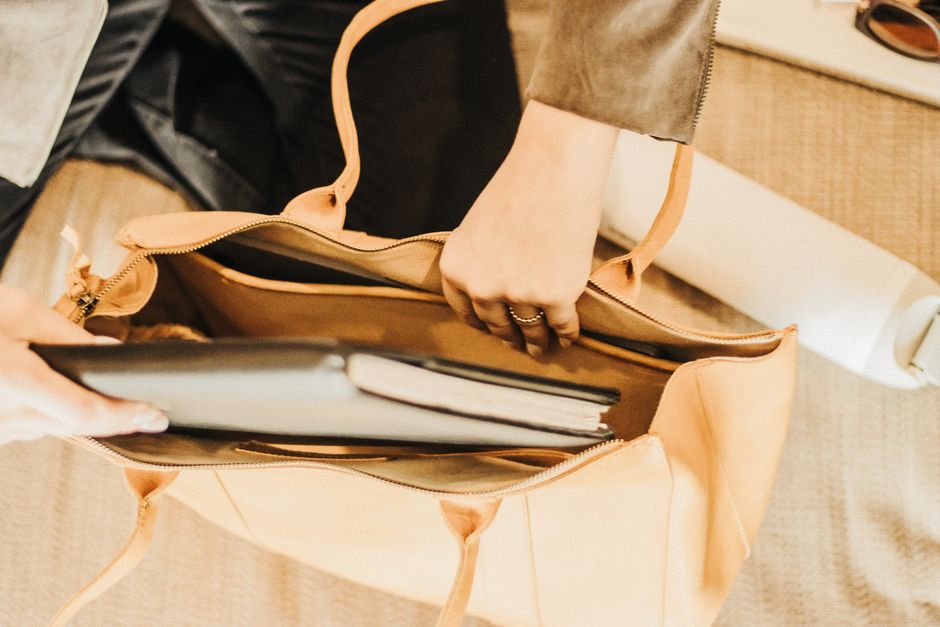
Many modern bags, from dedicated laptop bags to carry-on luggage, feature padded compartments. Ensure these remain clean and free of debris that could scratch your devices.
- Lining Check: Periodically vacuum or wipe down the interior lining of laptop compartments to remove crumbs, dust, or sand.
- Zipper Maintenance: Ensure zippers on laptop sections run smoothly. A little bit of zipper lubricant (like silicone spray, sparingly applied) can prevent sticking and prolong their life.
Maintaining Anti-Theft Design Features
Anti-theft elements like lockable zippers, RFID-blocking pockets, and slash-resistant fabric are key selling points for the best bags for travel and work. Their effectiveness relies on proper care.
- Zipper Locks: Keep integrated zipper locks clean and occasionally lubricated if they feel stiff.
- RFID Pockets: Avoid overstuffing RFID-blocking pockets, as this can degrade the protective lining over time.
- Hardware Check: Regularly inspect straps, clasps, and buckles for signs of wear. Tighten any loose screws on metal hardware if applicable. This is particularly important for bags used in busy urban environments like Paris or New York.
The Best Bags for Travel and Work: Making Informed Choices
Choosing the right bag from the outset significantly impacts its longevity. This isn’t just about aesthetics; it’s about practical durability, especially for those who travel extensively or rely on their bag daily for work.
Best Anti-Theft Travel Bags for Busy Cities: Your Ultimate Protection Guide
What Should I Look for When Choosing an Everyday Bag?
When selecting an everyday bag, prioritise solid materials. For leather, full-grain is generally the most durable. For fabric, look for high-denier nylon or canvas with a water-resistant coating. Investigate the quality of zippers (YKK are a gold standard), stitching (reinforced seams are a good sign), and hardware. Consider the bag’s weight when empty, its internal organisation, and comfort of carry, especially if it will be a shoulder bag or crossbody bag. For air travel, ensure dimensions comply with airline carry-on regulations, which vary slightly between airlines like Lufthansa, British Airways, and American Airlines.
Sustainability and Longevity
Investing in a high-quality bag and caring for it properly is also a more sustainable choice. A bag that lasts 5-10 years rather than 1-2 years reduces waste and the demand for new production. Brands known for durability and repair services are often a good bet, reflecting a commitment to longevity.
Frequently Asked Questions About Bag Care
How often should I clean my leather bag?
For everyday use, a quick wipe with a damp cloth every few weeks is sufficient. A thorough cleaning with a dedicated leather cleaner and conditioning should be done every 3-6 months, or more frequently if the bag sees heavy use or is exposed to harsh conditions.
Can I machine wash my fabric bag?
Always check the care label first. Many fabric bags, especially those made of nylon or polyester, can be machine-washed on a gentle, cold cycle, preferably inside a laundry bag. However, bags with significant structure, leather accents, or delicate hardware should be spot-cleaned or hand-washed.
What’s the best way to remove a stubborn stain from my bag?
Act quickly. For fresh stains, blot, don’t rub. For leather, use a specialised leather stain remover for the specific type of stain (e.g., ink remover). For fabric, a gentle fabric stain remover or a mixture of mild soap and water can work. Always test any cleaning product on an inconspicuous area first to prevent damage or discolouration.
How do I prevent my bag straps from wearing out?
Rotate how you carry your bag to distribute wear. For shoulder bags, switch shoulders. Avoid consistently overloading your bag, as excessive weight strains straps and hardware. If straps are adjustable, ensure they are set to a comfortable length to prevent undue stress on the attachment points.
Is it worth getting a professional to clean or repair my bag?
For valuable or heavily damaged bags, professional cleaning or repair can be a wise investment. Leather specialists can handle deep stains, re-dyeing, and hardware repairs that are beyond DIY capabilities. Similarly, reputable cobblers or luggage repair shops can mend torn linings, replace zippers, or reinforce stitching on fabric bags, particularly for high-quality carry-on or laptop bags.
How can I protect my bag from theft, particularly when traveling?
Beyond choosing bags with anti-theft design features like lockable zippers and RFID-blocking pockets, practise awareness. Don’t leave your bag unattended in public. When dining, keep it on your lap or between your feet, not on an empty chair or hung on the back of one. For larger carry-on items, use luggage locks, especially in shared hostel environments or when using public transport.
Ensuring Longevity for Your Everyday Companions
Caring for your leather and fabric bags isn’t a chore; it’s a practice that ensures your essential accessories remain functional and stylish. From the critical laptop protection your professional bag offers to the solid durability of your travel carry-on, each piece benefits from attention and the right care. By understanding the materials, implementing smart storage, and adopting good daily habits, you’ll be able to enjoy your bags for many years to come, truly making them the best bags for travel and work that will last longer. For more insights and guidance on selecting durable and stylish bags for every occasion, explore more bags guides on GoTrendlin.